


How Much Should You Really Spend on an Engagement Ring?
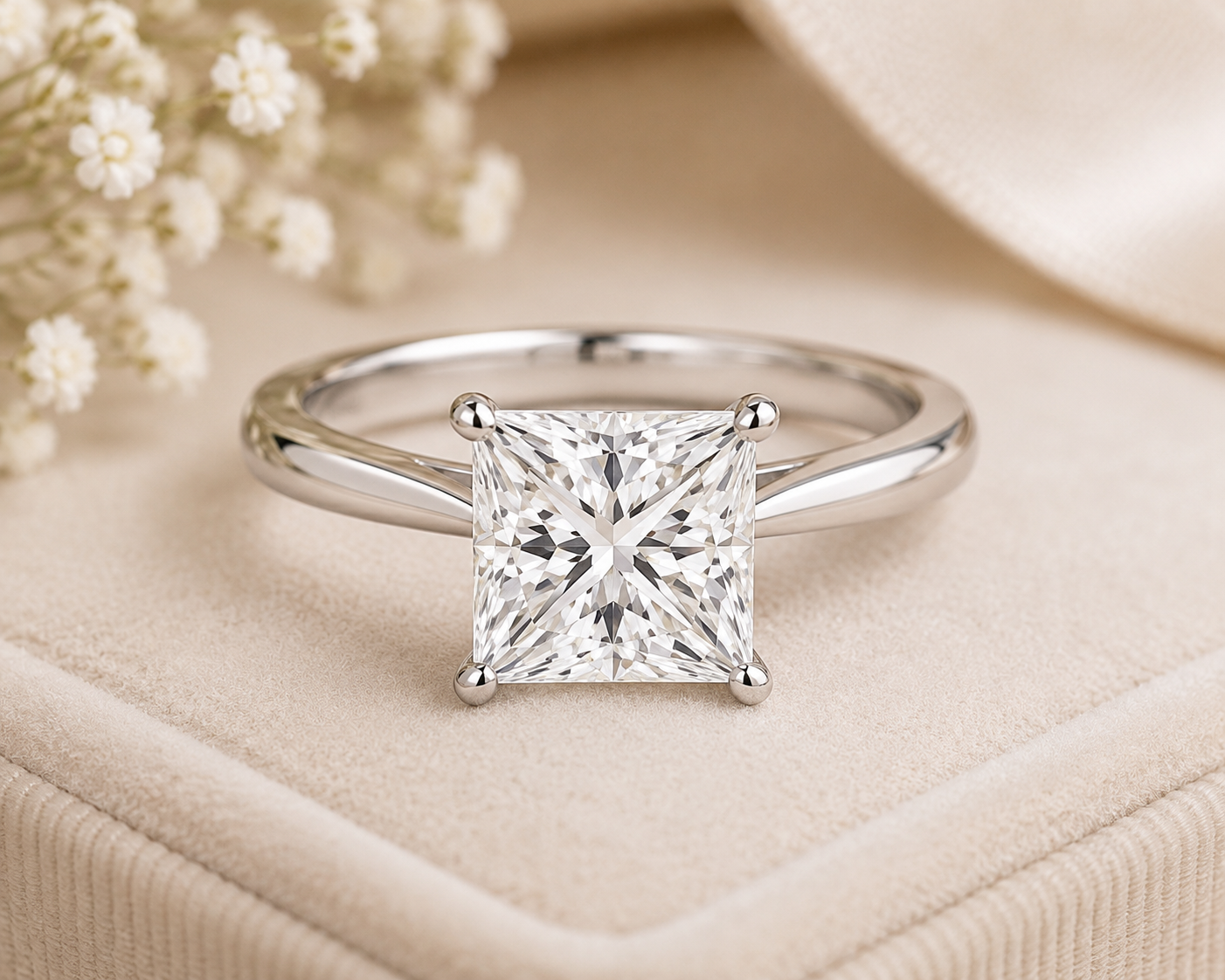
Buying an engagement ring is one of the most meaningful purchases you will make, but it can also feel overwhelming. With so many opinions online, expensive celebrity rings, and traditional spending rules, many people wonder:
"How much should I really spend on an engagement ring?"
The answer is simpler than most people think:
You should spend an amount that feels meaningful but still fits comfortably within your financial situation.
There is no universal rule that says an engagement ring must cost a specific amount. The right budget depends on your income, savings, financial goals, and your partner's personal style.
For many couples in the United States, engagement ring spending commonly falls between $3,000 and $6,000, but spending less or more can both be smart choices depending on your circumstances.
A beautiful engagement ring is not defined only by its price. It represents commitment, love, and the beginning of a future together.
How Much Should You Spend on an Engagement Ring?
Most couples in the U.S. spend around $3,000–$6,000 on an engagement ring, but there is no required amount.
A realistic engagement ring budget should consider:
- Your monthly income
- Your savings
- Existing debts
- Wedding expenses
- Future goals
- Your partner's expectations
The best approach is to choose a ring you can afford without sacrificing your financial stability.
Why Engagement Ring Budgets Are Changing in America
For many years, people believed an engagement ring should cost two or three months of salary. However, modern couples are approaching engagement purchases differently.
Today's couples are managing:
- Higher housing costs
- Student loan payments
- Inflation
- Rising wedding expenses
- Long-term financial goals
Many couples now prefer putting money toward:
- Buying a home
- Traveling together
- Building savings
- Starting a family
- Paying down debt
A ring is important, but it is only one part of building a successful future together.
The Truth About the Three-Month Salary Rule
One of the most common myths in engagement ring shopping is the idea that you should spend three months of your income on a ring.
This rule became popular through jewelry marketing rather than financial planning advice.
For example:
If someone earns $80,000 per year:
- One month's salary = around $6,600
- Three months' salary = around $20,000
For many people, spending that amount on jewelry may interfere with other important financial goals.
A smarter approach is to create a budget based on what you can comfortably afford.
The question should not be:
"How much do I need to spend to prove my love?"
The better question is:
"How can I choose a meaningful ring while protecting our future?"
Average Engagement Ring Cost in the United States
Engagement ring prices vary widely depending on the diamond, metal, design, and retailer.
Here is a general breakdown:
Under $2,000
Affordable engagement rings can still look beautiful and elegant.
Popular options include:
- Lab-grown diamonds
- Moissanite stones
- Smaller natural diamonds
- Simple gold settings
- Classic designs
This budget works well for couples who want to prioritize saving or other financial goals.
$2,000–$5,000
This is one of the most common engagement ring price ranges.
Buyers can often find:
- Quality diamond options
- Attractive settings
- Larger lab-grown diamonds
- Custom designs
- Popular diamond shapes
This range provides a strong balance between appearance and affordability.
$5,000–$10,000
This budget allows more flexibility for:
- Larger diamonds
- Higher quality grades
- Premium settings
- Custom jewelry designs
Many couples choose this range when they want a more traditional luxury engagement ring.
$10,000+
Luxury engagement rings may include:
- High-carat diamonds
- Rare gemstones
- Designer collections
- Custom craftsmanship
While these rings are impressive, a higher price does not automatically make a ring more meaningful.
How to Decide Your Engagement Ring Budget
Instead of copying someone else's spending habits, use your own financial situation as your guide.
1. Review Your Income
Your ring budget should not create financial stress.
Ask yourself:
- Can I pay for this without missing important bills?
- Will this purchase affect my savings?
- Can I still handle wedding expenses afterward?
A ring should be exciting—not stressful.
2. Consider Your Savings
Before buying an engagement ring, consider whether you have:
- Emergency savings
- Stable monthly finances
- Money available after regular expenses
Using every dollar you have for a ring may create problems later.
3. Think About Future Goals
An engagement usually comes before many major life decisions.
You may also want to save for:
- A home
- Wedding costs
- Family plans
- Investments
- Travel
A balanced budget allows you to enjoy your engagement while preparing for the future.
4. Understand Your Partner's Preferences
A common mistake is assuming everyone wants the biggest diamond possible.
Many people prefer:
- Simple designs
- Vintage rings
- Unique gemstones
- Smaller elegant diamonds
- Ethical jewelry options
The perfect ring should match your partner's personality—not someone else's expectations.
How Much Should You Spend Based on Your Situation?
There is no perfect formula, but here is a practical guide:
If you are paying off debt:
Choose a comfortable budget and avoid unnecessary financial pressure.
If you are early in your career:
A smaller but meaningful ring may be the smarter choice.
If you have strong savings:
You may have more flexibility to invest in a higher-quality ring.
If your partner values experiences:
Consider balancing the ring budget with travel, a home, or other shared goals.
The smartest engagement ring purchase is one that supports your relationship beyond the proposal day.
The 4Cs Explained: What Actually Matters?
If you're shopping for a diamond engagement ring, you'll quickly come across the "4Cs": Cut, Color, Clarity, and Carat. Understanding these factors helps you make a smarter purchase instead of simply choosing the biggest diamond within your budget.
1. Cut: The Most Important Factor
Cut refers to how well a diamond has been shaped and polished—not its shape (such as round or oval).
A well-cut diamond reflects light beautifully, creating brilliance and sparkle. Even a smaller diamond can appear more stunning than a larger one if it has an excellent cut.
Tip: If you have a limited budget, prioritize cut quality over carat size.
2. Carat Weight
Carat measures a diamond's weight, not its physical size.
Larger diamonds usually cost significantly more, especially when they reach popular milestones such as 1.0 or 2.0 carats.
Many buyers save hundreds or even thousands of dollars by choosing a diamond just under these milestones, such as:
- 0.90 carats instead of 1.00
- 1.80 carats instead of 2.00
The visual difference is often minimal, while the savings can be substantial.
3. Color
Diamond color is graded from D (colorless) to Z (noticeable yellow or brown tint).
Most buyers cannot distinguish between neighboring color grades without specialized equipment.
Choosing a near-colorless diamond instead of a completely colorless one can help reduce the price while maintaining an elegant appearance.
4. Clarity
Clarity measures the number of internal or external imperfections, called inclusions and blemishes.
Many diamonds contain tiny imperfections that are invisible to the naked eye.
Instead of paying a premium for flawless clarity, many shoppers choose an "eye-clean" diamond that looks perfect without magnification.
Natural vs. Lab-Grown Diamonds
One of the biggest decisions modern buyers face is whether to purchase a natural diamond or a lab-grown diamond.
Natural Diamonds
Natural diamonds formed deep within the Earth over billions of years.
Pros
- Traditional choice
- Geological rarity
- Strong resale appeal
- Long-established market
Cons
- Higher price
- More limited size for the same budget
Lab-Grown Diamonds
Lab-grown diamonds are created using advanced technology that replicates the natural diamond-growing process.
They have the same physical, chemical, and optical properties as mined diamonds.
Pros
- Lower cost
- Larger stone for the same budget
- Environmentally conscious option
- Excellent quality
Cons
- Lower resale value in many markets
- Less rarity compared to natural diamonds
For many couples, lab-grown diamonds provide exceptional value because they allow buyers to prioritize size or quality without significantly increasing their budget.
Smart Ways to Save Money Without Sacrificing Beauty
Buying an engagement ring doesn't have to mean overspending. Consider these strategies to maximize value.
Choose a Simple Setting
Classic solitaire settings remain timeless, elegant, and often cost less than elaborate designs.
Buy Just Below Popular Carat Sizes
Selecting a slightly smaller diamond can noticeably reduce the price while looking nearly identical.
Consider Alternative Gemstones
Beautiful options include:
- Sapphire
- Emerald
- Ruby
- Moissanite
- Morganite
These gemstones offer unique styles and can fit a variety of budgets.
Compare Multiple Jewelers
Don't settle for the first ring you see. Compare pricing, warranties, certification, and return policies before making your final decision.
Shop During Seasonal Sales
Holiday promotions and special events can provide opportunities to save on engagement rings without compromising quality.
Should You Finance an Engagement Ring?
Financing isn't inherently good or bad—it depends on your financial situation.
Financing May Make Sense If:
- You can comfortably manage the monthly payments.
- The interest rate is low.
- You already have emergency savings.
- You plan to pay off the balance quickly.
Financing May Not Be the Best Choice If:
- You're already carrying high-interest debt.
- Monthly payments will strain your budget.
- You'll need several years to repay the purchase.
Remember, starting your marriage with excessive debt can create unnecessary stress.
Common Mistakes to Avoid
Many buyers make avoidable mistakes during the engagement ring shopping process.
Buying Based on Social Media
Instagram and Tik Tok often showcase luxury rings that don't reflect most couples' budgets.
Ignoring Your Partner's Style
The most expensive ring isn't always the most meaningful. Focus on what your partner genuinely enjoys wearing.
Focusing Only on Carat Weight
Sparkle, craftsmanship, and overall design often have a greater visual impact than size alone.
Skipping Research
Take time to understand diamond grading, certifications, and retailer policies before making a purchase.
Forgetting Additional Costs
Remember to budget for:
- Ring insurance
- Resizing
- Cleaning
- Maintenance
- Wedding bands
Where Should You Buy an Engagement Ring?
Today's buyers have more options than ever.
Local Jewelers
Ideal for personalized service and custom designs.
National Jewelry Retailers
Offer extensive selections, warranties, financing options, and nationwide support.
Online Retailers
Often provide competitive pricing, detailed certifications, and convenient comparison shopping.
Regardless of where you shop, look for:
- Independent diamond certification
- Transparent pricing
- Return policies
- Lifetime maintenance options
- Positive customer reviews
Expert Tips for First-Time Buyers
- Set your maximum budget before shopping.
- Learn the basics of diamond quality.
- Compare multiple retailers.
- Focus on overall value rather than trends.
- Consider lab-grown diamonds if maximizing value is a priority.
- Think about long-term financial goals before making your purchase.
Final Thoughts
There is no universal rule for how much you should spend on an engagement ring. The smartest budget is one that reflects your financial situation, your partner's preferences, and your long-term goals as a couple.
Whether you choose a $2,000 lab-grown diamond or a $10,000 natural diamond, the true value of an engagement ring lies in the commitment it represents—not its price tag.
Take your time, compare your options, ask questions, and focus on making a decision that supports your future together. A thoughtfully chosen ring that fits your budget will always be more meaningful than one purchased simply to meet outdated expectations.
Frequently Asked Questions
Is $3,000 enough for an engagement ring?
Yes. A $3,000 budget can purchase a beautiful engagement ring, especially if you consider lab-grown diamonds or carefully selected natural diamonds.
Is it okay to spend less than the national average?
Absolutely. Your budget should reflect your financial circumstances rather than national spending averages.
Is financing an engagement ring a bad idea?
Not necessarily. Financing can work well if payments fit comfortably within your budget and you avoid high-interest debt.
Are lab-grown diamonds real?
Yes. Lab-grown diamonds have the same physical and chemical properties as natural diamonds and are considered genuine diamonds.
Which diamond shape offers the best value?
Oval, cushion, pear, and emerald cuts often appear larger than round diamonds of the same carat weight, making them popular value-focused choices.
Do expensive engagement rings make marriages stronger?
No. Healthy relationships are built on trust, communication, shared values, and financial compatibility—not on the cost of a ring.

 English
 Arabic
 French
 Spanish
 Portuguese
 Deutsch
 Turkish
 Dutch
Dutch
 Italiano
 Russian
 Portuguese (Brazil)
 Greek
Greek