


Is an Adjustable Ceramic Mechanism Worth the Extra Cost in a Manual Pepper Grinder from Pepper-grinder
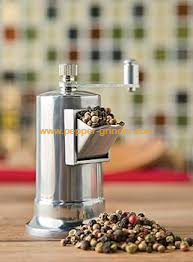
Kitchen tools often present a classic dilemma: a lower initial price may hide future frustrations, while a modest increase in cost frequently delivers tangible benefits over years of service. This principle applies directly to the Manual Pepper Grinder, a device that sees daily use in countless homes and restaurants. A key decision point for many buyers involves the grinding mechanism itself—specifically whether to choose a traditional steel mechanism or an adjustable ceramic one. Manufacturers like pepper-grinder offer both options, but the ceramic version typically commands a premium. Does the ceramic mechanism's adjustable feature truly offer enough advantage to warrant its higher cost for the average cook or professional chef?
The core of the argument for ceramic lies in its material properties. Ceramic is exceptionally hard and resists wear far longer than standard carbon steel. This hardness translates directly into a longer-lasting grinding edge. A steel mechanism will gradually dull over time, losing its bite and requiring more effort to achieve the same grind. Ceramic, conversely, retains its sharpness for an extended period, maintaining consistent performance year after year. The difference becomes noticeable after months of daily grinding, where the ceramic unit still turns smoothly while the steel one begins to feel rough and unresponsive.
Beyond longevity, the adjustable feature of a quality ceramic mechanism offers practical advantages in the kitchen. The ability to shift seamlessly from a fine powder for sauces to a coarse crack for steaks depends on a precise adjustment system. Ceramic mechanisms, with their tight tolerances, support a wide range of settings while maintaining the intended particle size. This precision ensures that each grind, whether fine or coarse, produces a uniform result. Uniformity matters because it guarantees consistent flavor distribution—fine grains dissolve quickly, while coarse pieces provide bursts of flavor during eating. Without consistent calibration, the outcome varies, affecting the final dish.
Friction heat presents another consideration often overlooked. During the grinding action, the mechanism generates heat through friction. Steel, being a metal, conducts and retains heat more readily. This heat can potentially degrade the volatile oils within the peppercorns, reducing the aromatic impact of the fresh pepper. Ceramic, as a material, acts as a poor conductor of heat and generates less friction. The grinding process stays cooler, preserving those delicate aroma compounds. For cooks who value the bright, complex character of freshly ground pepper, this temperature advantage offers a clear benefit that directly affects flavor quality.
Corrosion resistance also favors ceramic over steel. Steel mechanisms, especially in humid kitchen environments, are susceptible to rust and staining. Peppercorns contain moisture and oils that can accelerate this process. Ceramic is impervious to these factors, remaining unaffected by moisture, salt, or acid exposure. This makes a ceramic mechanism not only durable but also easier to clean. It requires no special oiling or drying routines. A simple rinse and wipe restores its condition, as the material does not harbor flavors from previous grinding sessions, ensuring that each spice retains its pure character.
The initial cost of a Manual Pepper Grinder with an adjustable ceramic mechanism reflects the premium nature of the material and the engineering required to shape it. Ceramic is more expensive to produce and machine than steel. The manufacturing process demands precision to create the interlocking burrs and the adjustment collar. This translates to a higher retail price. However, when viewed as a long-term investment, the annualized cost becomes competitive. A steel grinder needing replacement every few years, or yielding subpar performance, represents a recurring expense and a source of kitchen inefficiency.
In addition to material benefits, the adjustability feature itself adds value. Not all ceramic mechanisms offer a wide range of settings; some provide only a few clicks between fine and coarse. A well-designed system from a reputable manufacturer provides a full spectrum of options. This allows the user to tailor the grind to the specific recipe—from the powdery consistency required for a delicate vinaigrette to the bold, textured grind perfect for a crust. This versatility eliminates the need for multiple grinding tools, simplifying the kitchen workflow and saving drawer space. The mechanism becomes an integral part of the cooking process, not a source of compromise.
Ultimately, the decision to invest in an adjustable ceramic mechanism depends on the user's priorities. For the occasional cook who uses a mill sparingly, a steel option may suffice. For the passionate cook, the professional chef, or the buyer seeking a durable, high-performing tool, the ceramic mechanism offers undeniable advantages in longevity, grind precision, flavor preservation, and ease of maintenance. The upfront premium balances against years of reliable service. Quality manufacturers design their mechanisms to meet these performance standards. To explore a comprehensive selection of grinders and understand the specific designs available, one can visit the product catalogue at https://www.pepper-grinder.com/, where detailed specifications help clarify the distinctions. Evaluating your own cooking habits and expectations provides the clearest guide. Does the promise of lasting precision and effortless use make the ceramic adjustment a worthwhile addition to your kitchen equipment?

 English
 Arabic
 French
 Portuguese
 Deutsch
 Turkish
 Dutch
Dutch
 Italiano
 Russian
 Romaian
 Portuguese (Brazil)
 Greek
Greek