


How Sea Freight Services in the Philippines Handle International Shipments
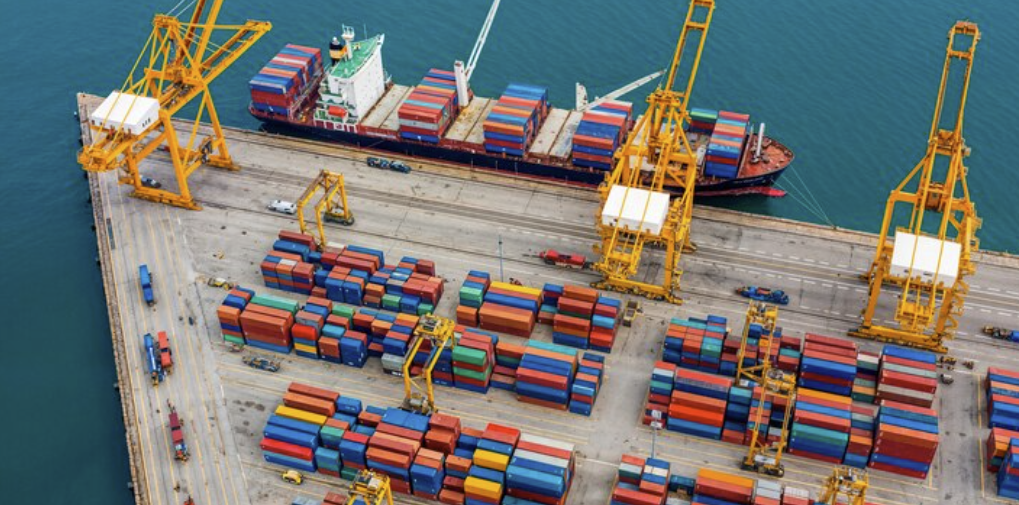
International trade depends on reliable transportation systems that move goods between countries. For many businesses, ocean transport remains a practical option for moving large quantities of products across long distances. Sea freight services in the Philippines support this process by coordinating cargo movement through ports, shipping routes, customs procedures, and distribution networks.
What Are Sea Freight Services in the Philippines?
Sea freight transportation refers to the movement of goods by cargo vessels across international waters. In the Philippines, shipping companies, freight forwarders, customs brokers, and port operators work together to transport products between local and overseas destinations. These services support industries that import raw materials, equipment, consumer goods, and other commercial products.
International shipments often involve several stages before cargo reaches its final destination. Each stage requires coordination among different organizations responsible for transportation, documentation, cargo handling, and customs processing. This organized approach helps maintain the flow of goods through global supply chains.
Why Sea Freight Remains Important for International Trade
Sea transportation carries a large portion of global trade because it can accommodate significant cargo volumes. Many products transported between countries travel by container vessels due to the capacity and efficiency offered by maritime shipping networks.
For island nations such as the Philippines, maritime transportation serves as a major connection to international markets. Ports provide access to trading partners around the world, supporting imports and exports across multiple industries. This transportation method also supports the movement of oversized equipment, bulk commodities, and containerized cargo.
Cost Efficiency for Large Shipments
Sea freight is commonly used for large cargo loads because shipping costs can be distributed across substantial volumes of goods. Businesses transporting high quantities of products often use container shipping to move inventory between countries.
Containerized transportation also helps simplify cargo handling throughout the shipping process. Standardized containers can move between ships, ports, warehouses, and trucks while keeping products organized during transit.
Access to Global Shipping Routes
International shipping lines operate extensive maritime networks that connect major ports across different regions. These established routes support trade between the Philippines and markets in Asia, Europe, North America, and other parts of the world.
Access to these networks helps businesses reach suppliers and customers beyond domestic markets. As a result, sea transportation remains a key component of international logistics operations.
How International Shipments Are Managed
Managing international cargo follows multiple steps that begin before goods arrive at the port. Each stage contributes to the safe and efficient movement of products throughout the shipping journey.
Sea freight services in the Philippines coordinate these activities while working with transportation providers, customs authorities, and shipping carriers. Proper planning helps reduce delays and supports smooth cargo movement.
Cargo Preparation and Packaging
Before shipment, goods are prepared according to transportation requirements. Packaging methods depend on product type, size, weight, and handling conditions during transit. Proper packaging helps protect cargo from movement, moisture, and other environmental factors encountered during shipping.
Cargo may also be grouped into containers or consolidated with other shipments. This preparation stage helps improve loading efficiency and supports organized cargo handling throughout transportation.
Documentation and Compliance
International shipments require several documents that identify cargo details, shipment origins, destinations, and ownership information. Common shipping documents include commercial invoices, packing lists, bills of lading, and customs declarations.
Accurate documentation supports customs processing and regulatory compliance. Government agencies review these records to verify cargo information before goods enter or leave a country.
Port Handling and Vessel Loading
After cargo reaches the port, terminal operators inspect, process, and prepare shipments for loading. Containers are organized according to vessel schedules and shipping routes before being transferred onto cargo ships.
Modern ports use specialized equipment such as cranes, container handling systems, and storage facilities to manage large shipment volumes. These operations help maintain efficient cargo flow within busy port environments.
Movement Across International Waters
Once loaded onto a vessel, cargo begins its journey through international shipping routes. Transit times vary based on destination, weather conditions, vessel schedules, and route distances.
Shipping carriers monitor vessel movements throughout the voyage. Tracking systems provide updates regarding cargo status, helping supply chain participants monitor shipment progress during transportation.
Customs Clearance at Destination
When a vessel arrives at its destination port, customs authorities review shipment documentation and inspect cargo when necessary. Customs procedures help verify compliance with import regulations and applicable duties or taxes.
After clearance is completed, cargo can proceed to the next stage of transportation. Timely documentation and accurate shipment records contribute to a smoother customs process.
Final Delivery and Distribution
Following customs approval, shipments move from the port to warehouses, distribution centers, or final recipients. Trucks, rail systems, and local transportation providers support this stage of the logistics process.
The final delivery phase connects international transportation with domestic distribution networks. This coordination helps products reach businesses, retailers, manufacturers, and other end users.
Key Takeaway
Sea freight remains an important transportation method for moving goods between countries. International shipments involve cargo preparation, documentation, port operations, vessel transport, customs clearance, and final delivery. Each stage requires coordination among multiple organizations responsible for handling cargo throughout the supply chain. Sea freight services in the Philippines support international trade by managing these processes and connecting local businesses with global markets through established maritime transportation networks.

 English
 Arabic
 French
 Spanish
 Portuguese
 Deutsch
 Turkish
 Dutch
Dutch
 Italiano
 Russian
 Romaian
 Greek
Greek