Shockwave therapy is a modern, non-invasive medical treatment that uses high-energy acoustic waves to stimulate healing in damaged tissues. Originally developed to break down kidney stones, this technology has evolved into an effective treatment for musculoskeletal conditions, sports injuries, chronic pain, erectile dysfunction (ED), plantar fasciitis, tendon disorders, and several orthopedic problems.
Unlike surgery or long-term medication, shockwave therapy promotes the body's natural healing response without requiring incisions or lengthy recovery periods. It has become increasingly popular among physiotherapists, orthopedic specialists, sports medicine physicians, and rehabilitation centers due to its proven effectiveness and minimal downtime.
This comprehensive guide explains everything you need to know about shockwave therapy, including how it works, benefits, conditions treated, procedure, recovery, side effects, success rates, and frequently asked questions.
What is Shockwave Therapy?
Shockwave therapy , also known as Extracorporeal Shock Wave Therapy (ESWT) , is a non-surgical treatment that delivers controlled acoustic waves into injured tissues. These high-energy pulses stimulate blood circulation, accelerate tissue repair, reduce inflammation, and relieve chronic pain.
The treatment encourages the body's natural healing mechanisms rather than simply masking pain with medication.
Shockwave therapy is commonly used in:
- Orthopedics
- Sports medicine
- Physiotherapy
- Urology
- Rehabilitation medicine
- Pain management
How Does Shockwave Therapy Work?
Shockwave therapy works by delivering mechanical sound waves through the skin into affected tissues.
These acoustic waves help by:
- Increasing blood circulation
- Stimulating collagen production
- Breaking down calcified tissue
- Reducing muscle tension
- Triggering tissue regeneration
- Activating stem cells
- Encouraging tendon repair
- Reducing chronic inflammation
- Blocking pain signals
- Improving cellular metabolism
The increased blood supply provides oxygen and nutrients needed for tissue repair.
Types of Shockwave Therapy
There are two primary types of shockwave therapy.
1. Focused Shockwave Therapy (FSWT)
Focused shockwaves penetrate deeper into tissues and provide concentrated energy at a precise depth.
Best for:
- Deep tendon injuries
- Bone healing
- Hip pain
- Chronic shoulder injuries
- Calcific tendinitis
2. Radial Shockwave Therapy (RSWT)
Radial shockwaves spread over a larger treatment area and are ideal for superficial conditions.
Commonly used for:
- Muscle pain
- Trigger points
- Tennis elbow
- Heel pain
- Plantar fasciitis
- Soft tissue injuries
Conditions Treated with Shockwave Therapy
Shockwave therapy is used to treat numerous orthopedic and musculoskeletal disorders.
Plantar Fasciitis
One of the most successful applications.
Benefits include:
- Heel pain relief
- Reduced inflammation
- Improved walking ability
- Faster recovery
Tennis Elbow
Patients with chronic elbow pain often experience significant improvement after several sessions.
Golfer's Elbow
Shockwave therapy reduces tendon inflammation and promotes tissue healing.
Achilles Tendinitis
The treatment stimulates collagen production and repairs damaged tendon fibers.
Rotator Cuff Tendinitis
Shockwave therapy helps reduce shoulder pain while improving mobility and function.
Calcific Shoulder Tendinitis
Acoustic waves gradually break down calcium deposits responsible for chronic shoulder pain.
Patellar Tendinitis
Often known as jumper's knee, this condition responds well to shockwave therapy.
Hamstring Injuries
Athletes frequently undergo shockwave therapy to accelerate muscle recovery.
Shin Splints
Helps reduce inflammation and speeds healing in athletes.
Chronic Neck Pain
Used alongside physiotherapy for improved pain management.
Lower Back Pain
Can relieve chronic muscular and tendon-related back pain.
Hip Pain
Effective for treating:
- Greater trochanteric pain syndrome
- Tendon injuries
- Muscle tightness
Myofascial Pain Syndrome
Shockwave therapy releases trigger points and muscle knots.
Erectile Dysfunction (ED)
Low-intensity shockwave therapy has become an innovative treatment for erectile dysfunction by improving penile blood flow and stimulating new blood vessel formation.
Potential benefits include:
- Better erections
- Improved blood circulation
- Increased sexual performance
- Reduced dependence on medication
Sports Injuries
Professional athletes often choose shockwave therapy because it:
- Speeds recovery
- Reduces downtime
- Enhances healing
- Prevents chronic injury
Benefits of Shockwave Therapy
The treatment offers numerous advantages over traditional approaches.
Non-Surgical
No incisions, stitches, or anesthesia are usually required.
Drug-Free Pain Relief
Many patients reduce their reliance on painkillers.
Fast Procedure
A typical session lasts between 15 and 30 minutes.
Minimal Recovery Time
Patients usually return to daily activities immediately.
Improves Blood Circulation
Enhanced circulation promotes faster tissue repair.
Stimulates Natural Healing
Rather than masking pain, shockwave therapy treats the underlying problem.
High Success Rate
Clinical studies report success rates ranging from 70% to 90% for many chronic tendon conditions.
Long-Term Results
Many patients continue improving for several weeks after treatment.
Who is a Good Candidate?
Shockwave therapy may be recommended for patients who:
- Have chronic pain lasting over three months
- Have tendon injuries
- Have failed conservative treatments
- Want to avoid surgery
- Experience recurring sports injuries
- Have calcific tendon disorders
Who Should Avoid Shockwave Therapy?
The treatment may not be suitable for individuals who:
- Are pregnant
- Have blood clotting disorders
- Use certain blood-thinning medications
- Have active infections near the treatment area
- Have bone tumors
- Have open wounds
- Have certain nerve disorders
Always consult a qualified healthcare professional before beginning treatment.
How is Shockwave Therapy Performed?
Step 1: Consultation
The healthcare provider examines the affected area and reviews your medical history.
Step 2: Ultrasound or Physical Assessment
The painful region is identified.
Step 3: Gel Application
A conductive gel is applied to improve transmission of acoustic waves.
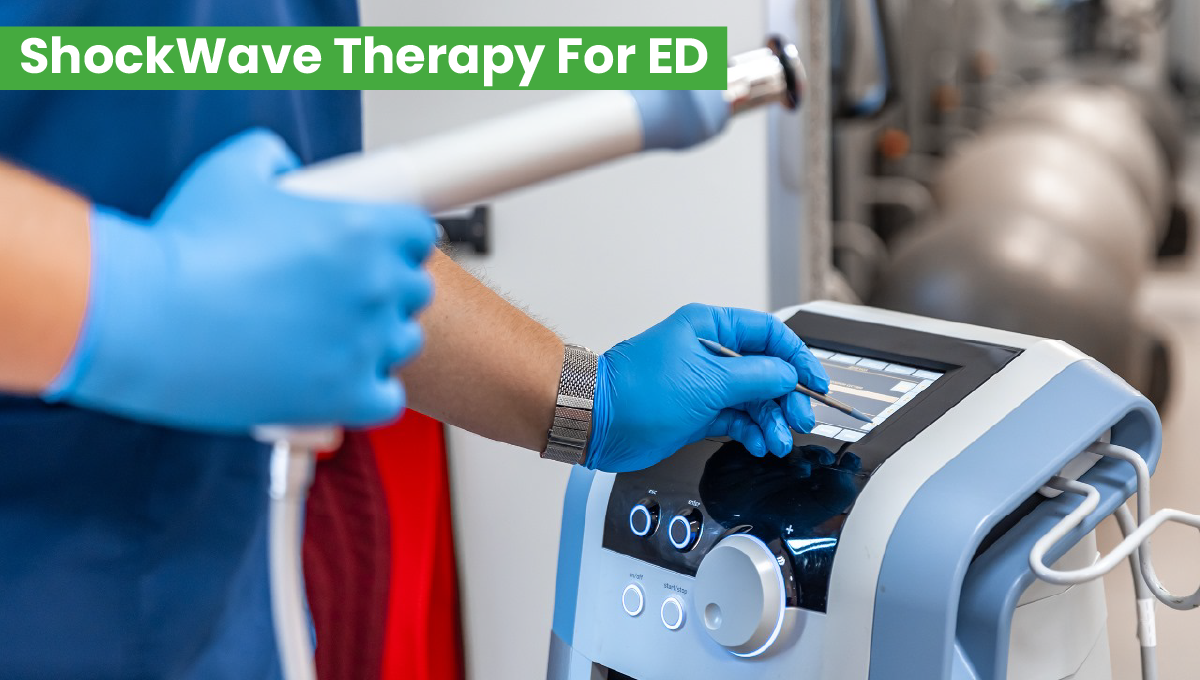
Step 4: Shockwave Delivery
A handheld device delivers controlled pulses to the affected tissue.
Patients may experience:
- Mild tapping
- Slight discomfort
- Tingling sensation
Pain usually decreases as treatment progresses.
Step 5: Completion
The patient can usually return home immediately.
How Many Sessions Are Needed?
Most treatment plans include:
- 3–6 sessions
- One session per week
- 15–30 minutes each
Some chronic conditions may require additional treatments.
Recovery After Shockwave Therapy
Recovery is generally straightforward.
Patients should:
- Stay hydrated
- Avoid intense exercise for 24–48 hours
- Follow stretching exercises if advised
- Continue physiotherapy when recommended
Pain relief often develops gradually over several weeks.
Side Effects of Shockwave Therapy
Shockwave therapy is considered very safe.
Possible temporary side effects include:
- Mild pain
- Redness
- Swelling
- Bruising
- Tenderness
- Tingling
These symptoms typically resolve within a few days.
Success Rate
Success varies depending on the condition and patient.
Approximate outcomes include:
| Condition |
Success Rate |
| Plantar Fasciitis |
75–90% |
| Tennis Elbow |
70–85% |
| Achilles Tendinitis |
70–85% |
| Calcific Shoulder Tendinitis |
75–90% |
| Patellar Tendinitis |
70–85% |
| Erectile Dysfunction (selected patients) |
Variable; outcomes depend on the underlying cause and patient selection |
Patients who follow rehabilitation advice generally experience better long-term results.
Advantages Over Surgery
Shockwave therapy offers several benefits compared with surgery:
| Shockwave Therapy |
Surgery |
| Non-invasive |
Invasive |
| No hospital stay |
Hospital admission may be required |
| Quick recovery |
Longer recovery |
| Minimal risk |
Higher surgical risks |
| No general anesthesia in most cases |
Often requires anesthesia |
| Lower complication rate |
Greater risk of infection and scarring |
Shockwave Therapy Cost
The cost varies depending on:
- Country
- Clinic
- Number of sessions
- Technology used
- Condition being treated
Some clinics offer discounted packages for multiple sessions.
Frequently Asked Questions (FAQs)
Is shockwave therapy painful?
Most patients describe the sensation as mild to moderately uncomfortable. The intensity can often be adjusted for comfort.
How quickly will I notice results?
Some patients experience improvement after the first session, while others notice gradual pain relief over several weeks.
Is shockwave therapy safe?
Yes. When performed by trained professionals, shockwave therapy has a strong safety profile and a low risk of complications.
Can I walk after treatment?
Yes. Most patients can walk and resume normal daily activities immediately, although strenuous exercise may be postponed for a short period.
Does shockwave therapy cure chronic pain?
It aims to treat the underlying tissue damage and may significantly reduce or eliminate pain for many patients, though results vary depending on the condition and individual factors.
Can athletes benefit from shockwave therapy?
Yes. It is commonly used to help athletes recover from tendon injuries, muscle strains, and overuse conditions while supporting a return to activity.
Is anesthesia required?
In most cases, no anesthesia is needed.
Can shockwave therapy replace surgery?
For some chronic tendon conditions, it may help patients avoid surgery. However, severe structural injuries may still require surgical treatment.
Conclusion
Shockwave therapy is an effective, evidence-based treatment for a wide range of chronic musculoskeletal conditions and selected cases of erectile dysfunction. By stimulating the body's natural healing processes, improving circulation, and promoting tissue regeneration, it can reduce pain and improve function without the need for surgery.
For many patients with persistent tendon injuries, heel pain, shoulder disorders, or sports-related conditions that have not responded to conservative care, shockwave therapy offers a convenient treatment option with minimal downtime. The best results are achieved after a thorough medical evaluation and when treatment is combined with an appropriate rehabilitation program tailored to the individual's condition.




 English
 Arabic
 French
 Spanish
 Portuguese
 Deutsch
 Dutch
Dutch
 Italiano
 Russian
 Romaian
 Portuguese (Brazil)
 Greek
Greek