


Disposable Lab Coats: Complete Guide to Uses, Benefits, Types, and Buying Tips
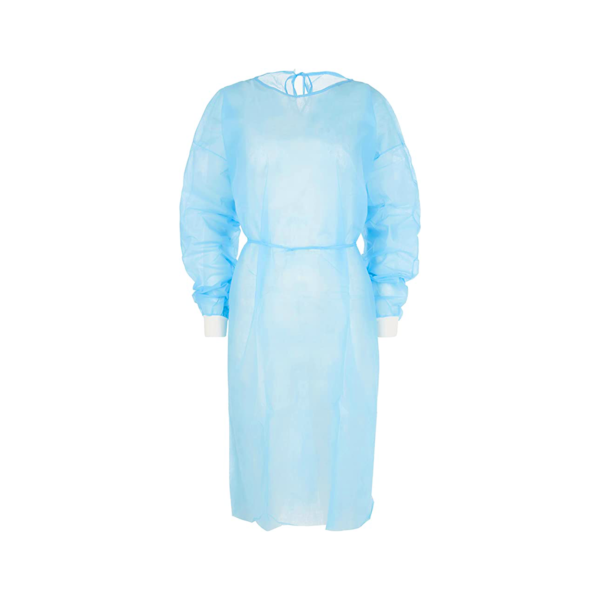
Laboratory environments require strict safety measures to protect workers, samples, equipment, and surrounding areas. One of the most essential pieces of protective clothing used in laboratories is a Disposable Lab Coat. Designed for single-use applications, these protective garments provide a convenient barrier against spills, contaminants, dust, and other workplace hazards.
Unlike traditional reusable lab coats that require washing and maintenance, disposable lab coats offer quick replacement, improved hygiene control, and reduced risk of cross-contamination. They are widely used in laboratories, healthcare facilities, pharmaceutical companies, research centers, food industries, and manufacturing environments.
This comprehensive guide explains what disposable lab coats are, their benefits, types, materials, applications, and important factors to consider before purchasing them.
What Are Disposable Lab Coats?
A Disposable Lab Coat is a lightweight protective garment designed to be worn once and then discarded after use. It provides a protective layer between the wearer’s clothing and potentially harmful substances such as chemicals, biological materials, dust, and contaminants.
Disposable lab coats are commonly manufactured using materials such as polypropylene, polyethylene, and SMS fabric. These materials are selected because they provide protection while remaining lightweight and comfortable for extended wear.
They usually include features such as:
-
Long sleeves
-
Front closures or snaps
-
Elastic cuffs
-
Collar designs
-
Multiple size options
-
Lightweight construction
Disposable lab coats are especially valuable in environments where maintaining cleanliness and preventing contamination are important.
Importance of Disposable Lab Coats in Laboratory Safety
Laboratories often involve exposure to substances that may create safety risks. Researchers, technicians, and workers may handle chemicals, biological samples, powders, and other materials that require protective clothing.
A disposable lab coat helps create a physical barrier that reduces direct contact between hazardous substances and personal clothing.
The use of disposable lab coats supports:
-
Personal protection
-
Contamination control
-
Workplace hygiene
-
Sample protection
-
Regulatory compliance
By using disposable protective clothing, laboratories can maintain cleaner environments and reduce the possibility of contamination spreading between work areas.
How Do Disposable Lab Coats Work?
Disposable lab coats work by creating a protective barrier between the wearer and external contaminants.
The fabric acts as a shield that helps prevent liquids, particles, dust, and biological materials from reaching the skin or clothing underneath.
The level of protection depends on factors such as:
-
Fabric type
-
Material thickness
-
Design features
-
Manufacturing quality
-
Intended application
For example, a basic polypropylene lab coat may provide protection against dust and light splashes, while specialized materials may provide stronger resistance for more demanding environments.
Types of Disposable Lab Coats
Different industries require different levels of protection. Disposable lab coats are available in several types based on material, design, and intended use.
Polypropylene Disposable Lab Coats
Polypropylene disposable lab coats are among the most commonly used options.
They are lightweight, breathable, and economical, making them suitable for general laboratory applications.
Common uses include:
-
Educational laboratories
-
Research facilities
-
General healthcare environments
-
Clean areas
These coats provide basic protection against dust, dirt, and minor contamination.
SMS Disposable Lab Coats
SMS fabric consists of multiple layers that combine strength, comfort, and protection.
SMS disposable lab coats offer improved resistance compared with standard polypropylene coats.
They are commonly used in:
-
Medical laboratories
-
Pharmaceutical facilities
-
Research environments
-
Controlled areas
Their breathable design makes them suitable for longer periods of use.
Polyethylene Disposable Lab Coats
Polyethylene lab coats provide better resistance against liquids and moisture.
They are useful in environments where workers may encounter light splashes or wet conditions.
Common applications include:
-
Food processing
-
Cleaning operations
-
Low-risk laboratory tasks
Chemical Resistant Disposable Lab Coats
Some laboratory environments require stronger protection against chemical exposure.
Chemical-resistant disposable lab coats are designed using specialized materials that help reduce penetration from hazardous substances.
They are used in:
-
Chemical laboratories
-
Industrial research facilities
-
Manufacturing environments
Cleanroom Disposable Lab Coats
Cleanrooms require strict contamination control. Cleanroom disposable lab coats are designed to minimize particle shedding.
They are commonly used in:
-
Electronics manufacturing
-
Pharmaceutical production
-
Biotechnology facilities
These coats help maintain controlled environments.
Materials Used in Disposable Lab Coats
The material of a disposable lab coat determines its protection level, comfort, and durability.
Nonwoven Polypropylene
Polypropylene is a popular material because it is lightweight, breathable, and cost-effective.
It provides basic protection against:
-
Dust
-
Dirt
-
Particles
-
Minor contamination
SMS Fabric
SMS fabric provides a balance between comfort and protection.
Its layered structure improves:
-
Strength
-
Fluid resistance
-
Breathability
-
Durability
This makes it suitable for professional laboratory environments.
Polyethylene Coating
Polyethylene-coated materials provide improved liquid resistance.
They are useful when workers require additional protection from moisture and splashes.
Laminated Materials
Laminated disposable lab coats provide enhanced barrier protection.
They are used in environments where stronger resistance against liquids or chemicals is required.
Benefits of Using Disposable Lab Coats
A Disposable Lab Coat provides several advantages compared with traditional protective clothing.
Prevents Cross-Contamination
One of the biggest benefits of disposable lab coats is contamination control.
Since they are discarded after use, the risk of transferring contaminants between different work areas is reduced.
This is especially important in laboratories handling sensitive samples.
Improves Workplace Hygiene
Disposable lab coats support cleaner working environments by providing fresh protective clothing whenever required.
They are commonly used in facilities with strict hygiene standards.
Saves Maintenance Costs
Reusable lab coats require:
-
Washing
-
Drying
-
Repairs
-
Regular maintenance
Disposable lab coats eliminate these requirements, reducing operational effort and costs.
Convenient and Easy to Use
Disposable lab coats are ready for immediate use and can be quickly replaced when needed.
This convenience makes them ideal for busy workplaces.
Lightweight and Comfortable
Modern disposable lab coats are designed using lightweight materials that allow freedom of movement.
Breathable fabrics help reduce discomfort during extended use.
Supports Safety Compliance
Many industries have strict safety procedures requiring protective clothing.
Disposable lab coats help organizations meet workplace safety requirements.
Common Applications of Disposable Lab Coats
Disposable lab coats are used across various industries where protection and cleanliness are essential.
Research Laboratories
Researchers use disposable lab coats to protect themselves and maintain clean working conditions.
They are commonly worn during experiments involving chemicals, samples, and biological materials.
Healthcare Facilities
Hospitals, diagnostic centers, and medical laboratories use disposable lab coats for healthcare workers and laboratory technicians.
They help maintain hygiene during medical testing and handling procedures.
Pharmaceutical Industry
Pharmaceutical manufacturing requires controlled environments and contamination prevention.
Disposable lab coats are used during production, testing, and quality control processes.
Biotechnology Industry
Biotechnology facilities handle sensitive biological materials that require strict contamination control.
Disposable lab coats help protect workers and maintain research integrity.
Food Processing Industry
Food industries use disposable lab coats to maintain hygiene standards during production and packaging.
They help prevent contamination from clothing and external particles.
Educational Laboratories
Schools and universities often use disposable lab coats for student experiments.
They provide a practical and affordable safety solution for educational environments.
Electronics and Cleanroom Manufacturing
Electronics manufacturing requires controlled environments with minimal particle contamination.
Cleanroom disposable lab coats help maintain product quality.
How to Choose the Right Disposable Lab Coat
Selecting the correct disposable lab coat depends on the working environment and protection requirements.
Consider the Application
Different tasks require different protection levels.
Basic laboratory work may require lightweight coats, while chemical handling or cleanroom environments may require specialized options.
Select the Appropriate Material
Choose materials based on exposure risks.
Polypropylene is suitable for general applications, while SMS and laminated materials provide stronger protection.
Check Size and Fit
A properly fitting lab coat should provide complete coverage without restricting movement.
Important features include:
-
Comfortable sleeves
-
Secure closures
-
Proper length
-
Suitable sizing
Evaluate Protection Level
Consider whether the coat needs to protect against:
-
Liquids
-
Chemicals
-
Dust
-
Biological materials
-
Particles
Choosing the correct protection level improves safety.
Review Quality Standards
Reliable disposable lab coats should meet relevant industry standards.
Quality manufacturing ensures better performance and consistency.
Disposable Lab Coat vs Reusable Lab Coat
Both disposable and reusable lab coats have advantages.
Disposable lab coats provide:
-
Easy replacement
-
Better contamination control
-
No cleaning requirements
-
Convenience
Reusable lab coats provide:
-
Multiple uses
-
Reduced waste
-
Long-term availability
The right choice depends on workplace needs, hygiene requirements, and operational policies.
Proper Use of Disposable Lab Coats
Using a disposable lab coat correctly improves protection.
Before wearing:
-
Inspect the coat for damage
-
Choose the correct size
-
Ensure proper closure
While wearing:
-
Keep the coat fully closed
-
Avoid unnecessary contact with contaminated surfaces
-
Replace when damaged or contaminated
After use:
-
Remove carefully
-
Dispose of according to workplace guidelines
Storage and Disposal of Disposable Lab Coats
Proper storage ensures unused lab coats remain clean and effective.
Store disposable lab coats in:
-
Dry areas
-
Clean storage spaces
-
Original packaging
Used lab coats should be disposed of according to workplace waste management procedures, especially if they have been exposed to hazardous materials.
Environmental Considerations of Disposable Lab Coats
Disposable protective clothing creates waste because it is designed for single use.
Many organizations are improving sustainability by:
-
Selecting recyclable materials
-
Reducing unnecessary usage
-
Following proper disposal practices
-
Exploring environmentally friendly alternatives
Balancing safety requirements with responsible waste management helps reduce environmental impact.
Future Trends in Disposable Protective Clothing
The protective clothing industry continues to develop with improvements in materials and design.
Future disposable lab coats are expected to focus on:
-
Better comfort
-
Improved protection
-
Sustainable materials
-
Enhanced breathability
-
Advanced contamination control
As laboratory and industrial safety standards continue to improve, disposable lab coats will remain an important protective solution.
Frequently Asked Questions About Disposable Lab Coats
What is a Disposable Lab Coat used for?
A Disposable Lab Coat is used to protect workers from contaminants, chemicals, dust, liquids, and biological materials in laboratories, healthcare facilities, and industrial environments.
Are disposable lab coats waterproof?
Not all disposable lab coats are waterproof. Some provide basic splash resistance, while specialized laminated or coated versions offer stronger liquid protection.
Can disposable lab coats be reused?
No, disposable lab coats are designed for single use. Reusing them may reduce their protective effectiveness and increase contamination risks.
What materials are disposable lab coats made from?
Disposable lab coats are commonly made from polypropylene, SMS fabric, polyethylene, and laminated materials.
Are disposable lab coats suitable for chemical laboratories?
Some disposable lab coats are suitable for chemical laboratories, but the correct material and protection level should be selected based on the chemicals being handled.
How long can a disposable lab coat be worn?
Usage time depends on the environment and exposure level. A disposable lab coat should be replaced when it becomes damaged, contaminated, or unsuitable for continued protection.
Why are disposable lab coats used in cleanrooms?
Cleanroom disposable lab coats help reduce particle contamination and maintain controlled environments.
Are disposable lab coats comfortable?
Most modern disposable lab coats are lightweight and breathable, making them comfortable for extended periods of use.
How should disposable lab coats be disposed of?
They should be disposed of according to workplace safety procedures, especially if they have been exposed to hazardous materials.
Where can disposable lab coats be purchased?
Disposable lab coats are available from medical supply companies, laboratory equipment suppliers, and protective clothing manufacturers.
Conclusion
A Disposable Lab Coat is an essential protective garment for laboratories, healthcare facilities, research centers, and industrial environments. It provides a convenient and effective barrier against contaminants while supporting hygiene, safety, and contamination control.
Choosing the right disposable lab coat requires consideration of material, protection level, comfort, and workplace requirements. With advancements in protective clothing technology, disposable lab coats continue to provide reliable protection for professionals working in environments where cleanliness and safety are priorities

 English
 Arabic
 French
 Spanish
 Portuguese
 Deutsch
 Turkish
 Dutch
Dutch
 Italiano
 Russian
 Portuguese (Brazil)
 Greek
Greek