


Do Compression Sleeves Really Help on Flights? Here's What to Know
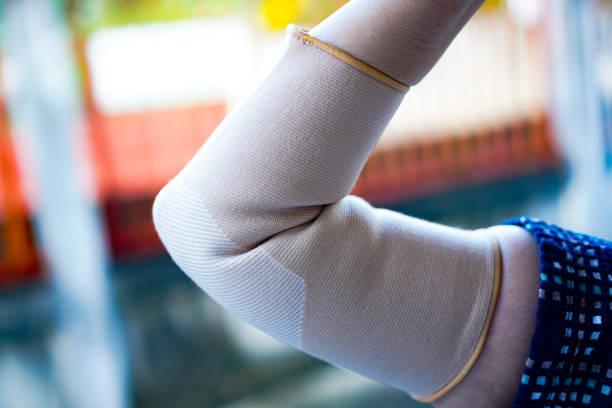
Long flights are hard on your body, especially your arms and hands. A compression sleeve for flight is one of the easiest ways to feel less puffy and achy after hours in the air, and it turns out compression sleeves for arms are just as useful on the ground, whether you're at the gym, at your desk, or just on your feet all day. They both work the same way: gentle, even pressure that keeps blood and fluid moving instead of settling in one place.
Why Your Arms Feel Different After a Flight
Sitting still for hours, combined with cabin pressure and dry air, makes it easy for fluid to build up in your hands and forearms. You've probably noticed your fingers feeling a little swollen or your watch fitting tighter by the end of a long trip. This is one of the main reasons people start wearing compression sleeves for arms specifically when they fly. The steady pressure helps keep circulation moving, so you land feeling less stiff and heavy than you would otherwise.
They're Not Just for Travel
Plenty of people wear compression sleeves without ever stepping on a plane. If your job has you typing all day, or you're lifting, gardening, or doing anything repetitive with your arms, a sleeve can take some of the edge off. It won't fix an injury, but it can ease minor soreness, add a little warmth on cold days, and give your arm some light support when it's tired. Some people simply like the snug feeling because it reminds them to sit up straighter or ease off a strained arm.
What Actually Makes a Good Sleeve
Not every sleeve is worth buying, and fit makes a bigger difference than most people realize. A few things worth checking before you buy:
-
Graduated compression, so it's snugger at the wrist and looser near the elbow
-
Breathable fabric that won't feel sticky on a long flight
-
Flat seams, so it doesn't dig in after hours of wear
-
Sizing based on your actual arm measurements instead of a generic small/medium/large
When to Put It On
If you're using one for a flight, the best time to put it on is before you board, not after your hand starts to feel tight. Keep it on for the whole trip, and combine it with small habits like flexing your hands or getting up to stretch when you can. None of this replaces basic movement, but together they make a real difference.
Keep Your Expectations Reasonable
A compression sleeve isn't magic, and it won't undo the effects of a long trip on its own. What it does well is take the edge off — less swelling, less stiffness, and a bit more comfort whether you're 30,000 feet up or just getting through a busy day at home. If you travel often or deal with tired arms regularly, it's a small, low-effort thing that's easy to keep in your bag and just as easy to forget you're wearing.

 English
 Arabic
 French
 Portuguese
 Deutsch
 Turkish
 Dutch
Dutch
 Italiano
 Russian
 Romaian
 Portuguese (Brazil)
 Greek
Greek