


Why Automotive Brake Fluid Quality Shapes Vehicle Safety
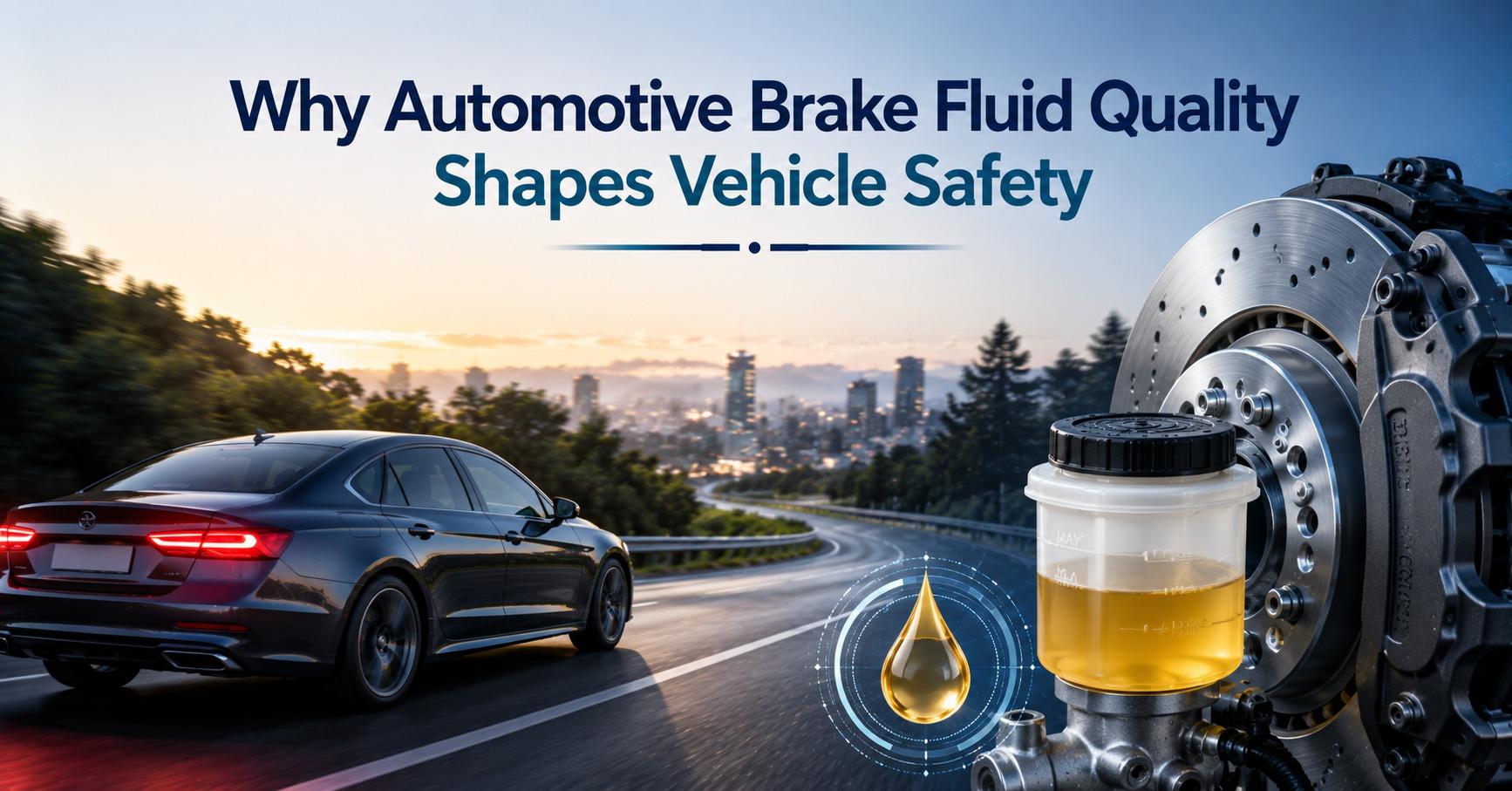
Modern braking systems rely on more than mechanical components to deliver safe and consistent performance. Automotive brake fluid plays a vital role by transmitting hydraulic pressure from the brake pedal to the braking system, allowing vehicles to stop efficiently under different driving conditions. As vehicles become more technologically advanced, the importance of selecting and maintaining the right brake fluid continues to increase.
Advancements in braking technologies, stricter vehicle safety standards, and the growing adoption of electric and commercial vehicles are encouraging manufacturers to develop higher-performance hydraulic fluids. A recent analysis of brake fluid applications highlights how evolving vehicle technologies are influencing product innovation and demand across global automotive ecosystems.
Brake fluid may not receive as much attention as engines or tires, yet it directly affects braking efficiency, pedal feel, and overall driving safety. As automotive manufacturers integrate electronic safety systems and advanced braking technologies into new vehicles, demand for reliable hydraulic fluids continues to expand across passenger and commercial transportation.
The Critical Role of Brake Fluid
Brake fluid serves as the hydraulic medium that transfers force generated by the driver's foot into braking pressure at each wheel. Unlike ordinary liquids, brake fluid must maintain stable performance under extremely high temperatures and varying weather conditions. It also protects internal braking components from corrosion while ensuring smooth operation over long service intervals. These characteristics make fluid quality a fundamental part of vehicle safety and long-term reliability.
Technology Is Driving Product Innovation
Today's vehicles feature technologies such as anti-lock braking systems (ABS), electronic stability control (ESC), traction control, and regenerative braking in electric vehicles. These systems demand brake fluids capable of maintaining consistent viscosity and high boiling points. Manufacturers are therefore investing in improved formulations that deliver better thermal stability, moisture resistance, and compatibility with advanced braking components.
Commercial Vehicles Continue to Influence Demand
Commercial vehicles operate under demanding conditions that involve frequent braking, heavy payloads, and extended operating hours. Delivery fleets, logistics providers, construction vehicles, and public transportation systems all require dependable braking performance to maintain operational safety. This increasing reliance on commercial transportation has strengthened the importance of durable brake fluid solutions that can perform consistently under continuous stress.
Electric Mobility Creates New Opportunities
The rapid adoption of electric vehicles is reshaping many automotive components, including brake fluids. Although regenerative braking reduces conventional brake usage in many situations, hydraulic braking systems remain essential for safety. Electric vehicles often require specialized fluids that support advanced braking technologies while maintaining performance over longer maintenance intervals. As EV production expands globally, manufacturers are focusing on products designed specifically for these evolving requirements.
Regional Manufacturing Strength Supports Market Expansion
Asia-Pacific continues to play an important role in global automotive manufacturing due to its large production capacity and expanding vehicle ownership. Countries including China, India, Japan, and South Korea remain key manufacturing hubs for passenger and commercial vehicles. Continuous investments in automotive production, together with growing consumer demand, support the development of high-quality brake fluid products across the region.
Maintenance Remains Essential for Safety
Even premium brake fluid gradually absorbs moisture from the surrounding environment, reducing its boiling point and overall effectiveness. Routine inspection and timely replacement help preserve braking performance while protecting expensive braking components from corrosion and wear. Following manufacturer-recommended maintenance schedules remains one of the simplest ways for vehicle owners to improve road safety and extend component life.
Future Outlook
The automotive industry continues to evolve through electrification, intelligent safety systems, and increasingly stringent regulatory standards. These developments are encouraging ongoing innovation in brake fluid technology, with greater emphasis on thermal stability, environmental performance, and compatibility with next-generation braking systems. As vehicles become more sophisticated, brake fluids will remain an essential yet often overlooked contributor to reliable and safe transportation.

 English
 Arabic
 Spanish
 Portuguese
 Deutsch
 Turkish
 Dutch
Dutch
 Italiano
 Russian
 Romaian
 Portuguese (Brazil)
 Greek
Greek