


How Can Regular Dental Visits Prevent Bleeding Gums?
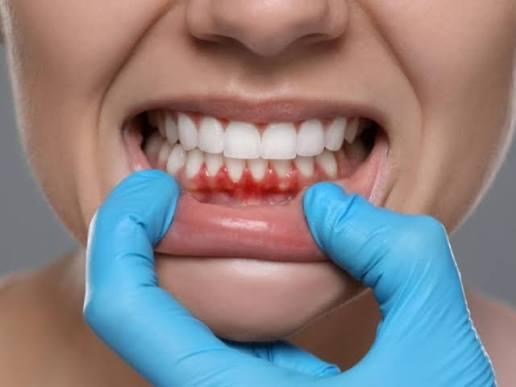
Healthy gums are the foundation of a healthy smile, yet many people ignore the early signs of gum disease until the condition becomes more serious. Bleeding gums are one of the most common warning signs that something is wrong with your oral health and should never be overlooked. If you are looking for Gum Bleeding Treatment in Islamabad understanding the importance of regular dental visits is the first step toward protecting your gums and preventing long-term dental complications. Routine dental checkups not only help identify the cause of bleeding gums but also ensure timely treatment before the condition progresses into advanced gum disease.
Understanding Why Gums Bleed
Bleeding gums are often a symptom rather than a disease itself. While occasional bleeding may occur due to aggressive brushing or flossing, persistent bleeding usually indicates inflammation caused by plaque and bacteria accumulating along the gumline. This inflammation, known as gingivitis, is the earliest stage of gum disease and is highly treatable when diagnosed early.When plaque is not removed through proper oral hygiene and professional cleanings, it hardens into tartar. Unlike plaque, tartar cannot be removed by brushing or flossing at home. It creates an ideal environment for bacteria to thrive, leading to increased irritation, swelling, redness, and bleeding. Without treatment, gingivitis may progress into periodontitis, a severe gum infection that damages the supporting bone and tissues around the teeth.Regular dental visits allow dentists to detect these early signs before irreversible damage occurs, making preventive care one of the most effective strategies for maintaining healthy gums.
The Importance of Regular Dental Checkups
Many people believe they only need to visit the dentist when they experience pain. However, gum disease often develops silently, especially during its early stages. Bleeding gums may be the only noticeable symptom, and many individuals mistakenly ignore it because it does not initially cause discomfort.Routine dental examinations help identify hidden oral health problems before they become serious. During every appointment, the dentist carefully evaluates the condition of your gums, measures gum pockets, checks for plaque buildup, examines tooth stability, and looks for signs of infection or inflammation.Early diagnosis allows treatment to begin immediately, preventing minor gum irritation from developing into advanced periodontal disease. This proactive approach not only protects your gums but also preserves your natural teeth for many years.
Professional Dental Cleaning Removes Hidden Plaque and Tartar
Even with excellent brushing and flossing habits, certain areas of the mouth remain difficult to clean thoroughly. Food particles and bacteria can accumulate between teeth and beneath the gumline, eventually forming hardened tartar deposits.Professional dental cleaning, also known as scaling, removes plaque and tartar that cannot be eliminated at home. Once these harmful deposits are removed,gum inflammation gradually decreases, allowing the tissues to heal naturally.Patients often notice a significant reduction in gum bleeding after professional cleaning because the source of bacterial irritation has been eliminated. Regular cleanings every six months—or more frequently for individuals with gum disease—help maintain healthier gums and reduce the risk of future bleeding.
Early Detection Prevents Advanced Gum Disease
One of the greatest advantages of regular dental visits is the ability to diagnose gum disease before permanent damage occurs. Gingivitis is completely reversible with timely treatment and improved oral hygiene. However, once the disease progresses into periodontitis, treatment becomes more complex.During routine examinations, dentists assess gum health using specialized instruments that measure the depth of the spaces between the gums and teeth. Deep pocketsoften indicate bacterial infection below the gumline.By identifying these changes early, dentists can recommend appropriate treatments such as scaling, root planing, antibacterial therapy, or improved home care before the disease advances further.Early intervention significantly reduces the risk of tooth loss, bone deterioration, and expensive restorative procedures in the future.
Personalized Oral Hygiene Guidance
Every individual has unique oral health needs. Some patients may brush too aggressively, causing gum irritation, while others may not clean effectively enough to remove plaque completely.Regular dental appointments provide an opportunity for dentists and hygienists to evaluate your brushing and flossing techniques. They can recommend the most suitable toothbrush, toothpaste, floss, or interdental cleaning devices based on your specific gum condition.Patients also receive valuable advice on improving daily oral hygiene routines, which plays a crucial role in preventing bleeding gums. Small adjustments in brushing pressure, flossing technique, and cleaning frequency often produce remarkable improvements in gum health.
Identifying Underlying Health Conditions
Although plaque is the most common cause of bleeding gums, other medical conditions may also contribute to gum bleeding. Certain systemic diseases, nutritional deficiencies, hormonal changes, medications, and immune disorders can affect gum health.Regular dental examinations often reveal signs of underlying medical issues before patients recognize other symptoms. Dentists may recommend additional medical evaluation if they suspect that gum bleeding is associated with diabetes, vitamin deficiencies, blood disorders, or other health concerns.This comprehensive approach helps patients receive appropriate care while protecting both their oral and overall health.
Preventing Tooth Loss Through Preventive Care
Untreated gum disease remains one of the leading causes of tooth loss in adults worldwide. As bacteria continue destroying the tissues supporting the teeth, the gums gradually recede, bone loss occurs, and teeth become loose.Regular dental visits interrupt this destructive process through early diagnosis, professional cleaning, and preventive treatment. By controlling bacterial infection before significant damage occurs, dentists help preserve the structures that keep teeth firmly in place.Maintaining healthy gums greatly increases the likelihood of retaining natural teeththroughout life while avoiding complex restorative procedures such as dental implants or dentures.
Monitoring Changes Over Time
Gum health is not static. It changes over time based on oral hygiene habits, age, medical conditions, medications, and lifestyle choices. Regular dental visits create a consistent record of your oral health, allowing dentists to compare current findings with previous examinations.This ongoing monitoring enables early identification of subtle changes that patients may never notice themselves. Even minor increases in gum pocket depth or slight inflammation can be addressed promptly before they become significant problems.Long-term monitoring is especially important for individuals with a history of gum disease, smokers, diabetic patients, or those genetically predisposed to periodontal conditions.
Lifestyle Advice That Supports Healthy Gums
Dentists provide guidance that extends beyond brushing and flossing. Lifestyle factors have a major influence on gum health, and regular appointments allow professionals to educate patients about these important connections.Balanced nutrition supports healthy gum tissue by providing essential vitamins and minerals needed for healing and immune function. Adequate hydration encourages saliva production, which naturally helps control bacteria inside the mouth.Smoking cessation is another essential topic discussed during dental visits because tobacco significantly increases the risk of gum disease while slowing healing after treatment. Stress management and maintaining good control of chronic medical conditions also contribute to healthier gums.These preventive recommendations work together with professional treatment to reduce the likelihood of persistent gum bleeding.
When Bleeding Gums Require Immediate Attention
Although occasional mild bleeding may improve with better oral hygiene, persistent bleeding should never be ignored. If your gums bleed frequently while brushing, flossing, or eating, professional evaluation is necessary.Other warning signs that require prompt dental attention include swollen gums, persistent bad breath, gum recession, loose teeth, pain while chewing, pus around the gums, or increased tooth sensitivity. These symptoms may indicate advancingperiodontal disease that requires immediate treatment.Seeking professional care at the earliest stage greatly improves treatment outcomes and helps prevent permanent damage.
Available Treatment Options for Bleeding Gums
The treatment for bleeding gums depends on the underlying cause and severity of the condition. Patients diagnosed with early gingivitis often respond well to professional cleaning combined with improved oral hygiene practices. More advanced periodontal disease may require deep cleaning procedures such as scaling and root planing to remove bacteria from below the gumline.In some cases, dentists may prescribe antibacterial mouth rinses or medications to control infection and reduce inflammation. Patients with severe gum disease may require periodontal therapy or surgical procedures to restore gum health.
The Long-Term Benefits of Preventive Dental Care
Preventive dental care offers benefits that extend far beyond stopping gum bleeding. Healthy gums contribute to stronger teeth, fresher breath, improved appearance, and greater overall confidence. Research also continues to demonstrate important links between gum health and systemic conditions such as diabetes and cardiovascular disease, highlighting the importance of maintaining healthy gums throughout life.Routine dental visits reduce the need for complex restorative procedures, lower long-term treatment costs, and help patients enjoy better oral function for decades. Investing in preventive care is often far more effective and affordable than treating advanced gum disease after significant damage has occurred.
Conclusion
Bleeding gums should never be considered a normal part of daily oral hygiene. They are often an early warning sign of gum disease that requires professional attention before more serious complications develop. Regular dental visits play a critical role in preventing bleeding gums by removing plaque and tartar, detecting gum disease early, monitoring oral health changes, providing personalized hygiene guidance, and treating problems before permanent damage occurs. Combined with proper brushing, flossing, healthy lifestyle habits, and timely professional care, routine dental checkups provide the strongest defense against gum disease.

 English
 Arabic
 French
 Spanish
 Portuguese
 Deutsch
 Turkish
 Dutch
Dutch
 Italiano
 Russian
 Romaian
 Portuguese (Brazil)