


Shielding Your Agribusiness From Modern Legal Shifts
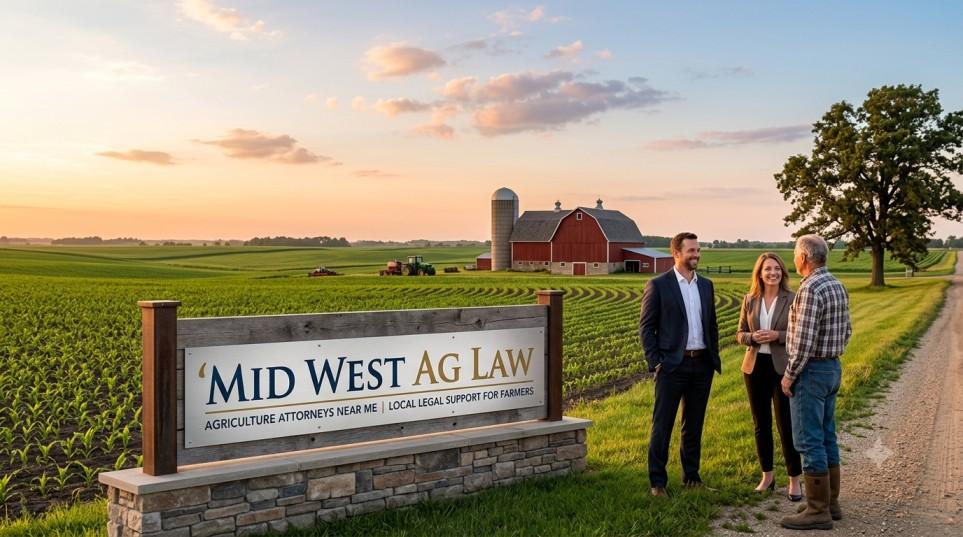
Running a modern farm or agribusiness is no longer just about tracking weather patterns and managing crop yields. The intersection of agriculture and corporate law has grown increasingly complex, leaving many operators exposed to liabilities they might not see coming. From shifting environmental regulations to intricate supply chain contracts, the legal landscape demands proactive strategy rather than reactive damage control.
Securing your operational longevity requires a clear understanding of the regulatory framework and a solid strategy for asset protection.
Navigating Regulatory and Environmental Compliance
Compliance is one of the most volatile areas for modern operations. State and federal agencies frequently update rules governing water rights, chemical usage, and waste management. Missing a single update can trigger severe financial penalties or bring operations to a sudden halt.
-
Water Allocation: Disappearing groundwater reserves and shifting riparian rights mean that access to water is constantly legally contested.
-
Chemical Application: Strict enforcement regarding pesticide drift and runoff requires flawless record-keeping and adherence to evolving EPA guidelines.
-
Labor Standards: Agricultural operations face unique oversight regarding seasonal worker housing, wage compliance, and workplace safety audits.
Proactive compliance tracking keeps your farm operational and prevents costly regulatory disputes before they start.
Contract Management and Supply Chain Security
Agribusinesses rely heavily on a network of agreements from seed and equipment leases to forward-delivery contracts with commercial buyers. Many operators sign standard-form agreements without realizing how much risk they are absorbing.
When reviewing or negotiating agreements, several factors require close scrutiny.
Production and Delivery Agreements
Forward contracts protect against market volatility but often include harsh non-delivery penalties. If an unexpected weather event destroys your yield, a poorly drafted contract could force you to buy replacement commodities on the open market at your own expense to fulfill the delivery quota.
Land and Equipment Leases
Long-term stability depends on secure lease agreements. Ensure your contracts clearly outline maintenance responsibilities, renewal options, and precise terms for termination to prevent sudden operational disruptions.
When disputes do arise over these agreements, having local representation is invaluable. Working with specialized agriculture law firms near me ensures that your legal counsel understands the regional market dynamics and specific state statutes that govern your contracts.
Farm Succession and Asset Protection
Statistics regularly show that a vast majority of family-owned farms do not survive the transition to the third generation. The breakdown rarely stems from poor farming practices; instead, it is usually caused by a lack of structured succession planning.
Without a binding legal framework, estate taxes, probate delays, and internal family disputes can force the liquidation of core acreage just to cover sudden liabilities.
-
LLC and Trust Formation: Moving your operation out of a sole proprietorship and into a structured LLC or trust isolates personal assets from operational liabilities.
-
Buy-Sell Agreements: These agreements establish clear paths for transition if a partner wishes to exit the business or passes away, keeping control within the designated operators.
-
Tax Mitigation Strategies: Structured transitions minimize the impact of capital gains and estate taxes, keeping the land intact for the next generation.
During these structural shifts, partnering with established firms like Mid West Ag law provides the foundational support needed to draft airtight transition documents, safeguarding both your family heritage and your business equity.
Managing Real Estate and Boundary Disputes
Land is an agribusiness’s most valuable asset, making real estate conflicts highly high-stakes. Boundary lines established decades ago by handshake agreements often fall apart when neighboring properties change hands or undergo development.
-
Adverse Possession Claims: Continuous, unchecked use of a piece of your land by a neighbor can lead to permanent legal loss of that acreage over time.
-
Easement Access: Ensure that utility or access easements cross your property under strict conditions that do not interfere with planting, harvesting, or heavy equipment transport.
-
Eminent Domain: If local municipalities attempt to seize portions of your land for public infrastructure, you need an aggressive valuation defense to secure fair market compensation.
Resolving these issues requires an attorney who knows how to read historical plats, interpret regional zoning laws, and defend land titles effectively. Relying on general corporate counsel often falls short; instead, identifying dedicated agriculture attorneys near me ensures you have a lawyer who regularly handles agricultural property rights and courtroom litigation.
Strengthening Operational Stability
Legal risks cannot be entirely eliminated, but they can be managed. Treating legal counsel as an operational necessity rather than an emergency expense allows you to build a resilient agribusiness capable of weathering regulatory and economic shifts. Protect your equity, secure your land, and establish a clear plan for the future.
Frequently Asked Questions
Q1: When should an agribusiness transition from a sole proprietorship to an LLC?
As soon as you hire employees, take on significant debt, or invite third-party vendors onto the property, you should transition to limit personal liability.
Q2: How often should a farm succession plan be reviewed?
Review your plan every three to five years, or immediately following major life events like marriages, divorces, births, or significant land acquisitions.
Q3: What is the risk of using standard boilerplate equipment leases found online?
Generic templates often omit state-specific agricultural lien laws, leaving you without standard statutory protections if a dispute occurs.
Q4: Can an agricultural easement be revoked once it is granted?
Most easements are permanent and run with the land unless they contain specific expiration dates or termination clauses written into the original deed.
Q5: Why do general corporate attorneys struggle with agribusiness cases?
Agriculture involves specialized statutory frameworks like water rights, USDA regulations, and specific crop lien laws that standard business lawyers do not encounter.

 English
 Arabic
 French
 Portuguese
 Deutsch
 Turkish
 Dutch
Dutch
 Italiano
 Russian
 Romaian
 Portuguese (Brazil)
 Greek
Greek