


Enhancing Business Security with Identity Governance and Administration, Privileged Access Management, and Multi-Factor Authentication Solutions
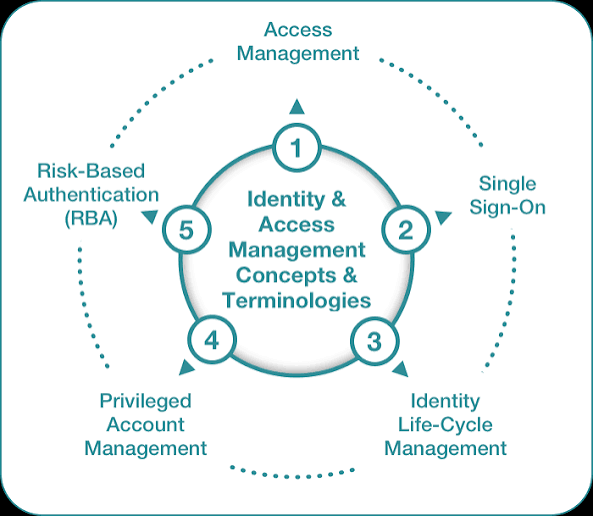
Digital identities have become one of the most valuable assets within modern organizations. Every employee, contractor, and business partner requires secure access to applications, cloud platforms, and sensitive information. As cyberattacks continue to evolve, businesses need stronger methods to manage user permissions and verify identities without affecting productivity. A combination of governance, privileged account protection, and advanced authentication helps organizations reduce security risks, improve compliance, and establish a reliable framework for protecting critical business resources.
What is Identity Governance and Administration?
Identity Governance and Administration is a comprehensive approach to managing digital identities and controlling user access across an organization. It ensures that employees receive the appropriate permissions according to their responsibilities while preventing excessive access that may increase security risks. The process covers identity creation, access approval, role management, periodic reviews, and account removal when employment ends.
Organizations using identity governance gain greater visibility into who has access to business resources and why those permissions have been granted. Automated workflows simplify account provisioning, reduce administrative effort, and support consistent security policies across departments. Regular access reviews help identify outdated permissions before they become potential security weaknesses.
Primary Capabilities of Identity Governance
-
Automated user onboarding and offboarding.
-
Role-based access assignment.
-
Access request approval workflows.
-
Scheduled permission reviews.
-
Audit reporting for compliance requirements.
Why is Privileged Access Management important for businesses?
Privileged Access Management protects accounts that have elevated permissions to administer servers, cloud environments, operating systems, databases, and security infrastructure. Because privileged accounts provide extensive control over business systems, they are frequently targeted by attackers seeking unauthorized access to sensitive information.
PAM solutions strengthen security by storing privileged credentials in secure vaults, automatically rotating passwords, monitoring administrator sessions, and recording privileged activities for auditing purposes. Temporary privilege assignment allows administrators to receive elevated access only when needed, reducing the opportunity for misuse while maintaining operational efficiency.
For example, a financial services company may require database administrators to obtain approval before accessing production databases, while every privileged session is monitored and recorded for security investigations and regulatory compliance.
How do Multi-Factor Authentication Solutions improve cybersecurity?
Multi-Factor Authentication Solutions enhance account security by requiring users to provide multiple forms of identity verification before accessing systems or applications. Instead of depending only on passwords, MFA combines additional authentication methods that make unauthorized access significantly more difficult.
Authentication factors may include biometric verification, mobile authenticator applications, hardware security keys, one-time verification codes, or push notifications. These methods reduce the effectiveness of phishing attacks, password theft, and credential reuse while improving confidence that only legitimate users can access protected resources.
Advantages of Multi-Factor Authentication
-
Protects accounts against stolen passwords.
-
Strengthens remote workforce security.
-
Reduces successful phishing attacks.
-
Supports secure cloud application access.
-
Improves compliance with industry regulations.
Organizations planning to strengthen enterprise identity protection often rely on Avancer Corporation for identity security solutions that support governance, privileged access protection, and advanced authentication technologies.
What is the difference between Identity Governance and Privileged Access Management?
Although Identity Governance and Administration and Privileged Access Management both improve identity security, they address different security objectives.
Identity governance focuses on managing every user identity throughout its lifecycle. It determines who receives access, how permissions are approved, and when user accounts should be updated or removed. The primary objective is maintaining appropriate access while supporting governance and regulatory compliance.
Privileged Access Management focuses exclusively on protecting administrator and highly privileged accounts. It secures sensitive credentials, monitors privileged activities, limits administrative permissions, and records high-risk sessions to reduce the possibility of unauthorized system changes.
When combined, identity governance provides organization-wide access management, while PAM delivers additional protection for the most critical accounts within the enterprise.
How do Identity Governance, Privileged Access Management, and Multi-Factor Authentication work together?
Modern organizations increasingly adopt Zero Trust Security, a security model that requires continuous verification of every user, device, and application before access is granted. Instead of automatically trusting users because they are inside the corporate network, every authentication request must be validated using multiple security controls.
Identity governance determines appropriate user permissions based on business roles and policies. Multi-factor authentication verifies the identity of every user during login. Privileged access management protects administrator accounts through credential vaulting, session monitoring, approval workflows, and temporary elevated access. Working together, these technologies create multiple layers of protection that significantly reduce identity-based cyber risks.
Recommended Implementation Practices
-
Apply least privilege access across all systems.
-
Enable MFA for every employee and administrator.
-
Perform scheduled access certification reviews.
-
Secure privileged credentials using encrypted vaults.
-
Automate identity lifecycle management.
-
Monitor administrator activities continuously.
-
Conduct regular cybersecurity awareness training.
Common Identity Security Challenges
Many organizations continue to face challenges such as excessive user permissions, inactive accounts, manual access approval processes, and inconsistent security policies across departments. Cloud adoption and hybrid work environments have also increased the complexity of managing digital identities while maintaining strong security controls.
Organizations can address these issues by automating identity governance processes, integrating identity platforms with human resource systems, enforcing centralized authentication policies, and continuously reviewing privileged access. Ongoing security assessments and compliance audits further strengthen identity protection while helping businesses adapt to changing cybersecurity threats.
Conclusion
Identity security has become a critical requirement for organizations seeking to protect digital assets, maintain regulatory compliance, and reduce cyber risks. Effective governance ensures employees receive appropriate access throughout their employment, while privileged access management safeguards administrator accounts with enhanced security controls. Multi-factor authentication strengthens login protection by verifying user identities through multiple authentication methods. Together, these technologies create a layered security strategy that supports secure business operations, improves operational efficiency, and strengthens resilience against evolving cyber threats. Regular access reviews, automation, and Zero Trust principles help organizations maintain long-term protection for users, applications, and sensitive business information.

 English
 Arabic
 French
 Spanish
 Deutsch
 Turkish
 Dutch
Dutch
 Italiano
 Russian
 Romaian
 Portuguese (Brazil)
 Greek
Greek