


Carryon Luggage That Fits Every Airline Rule
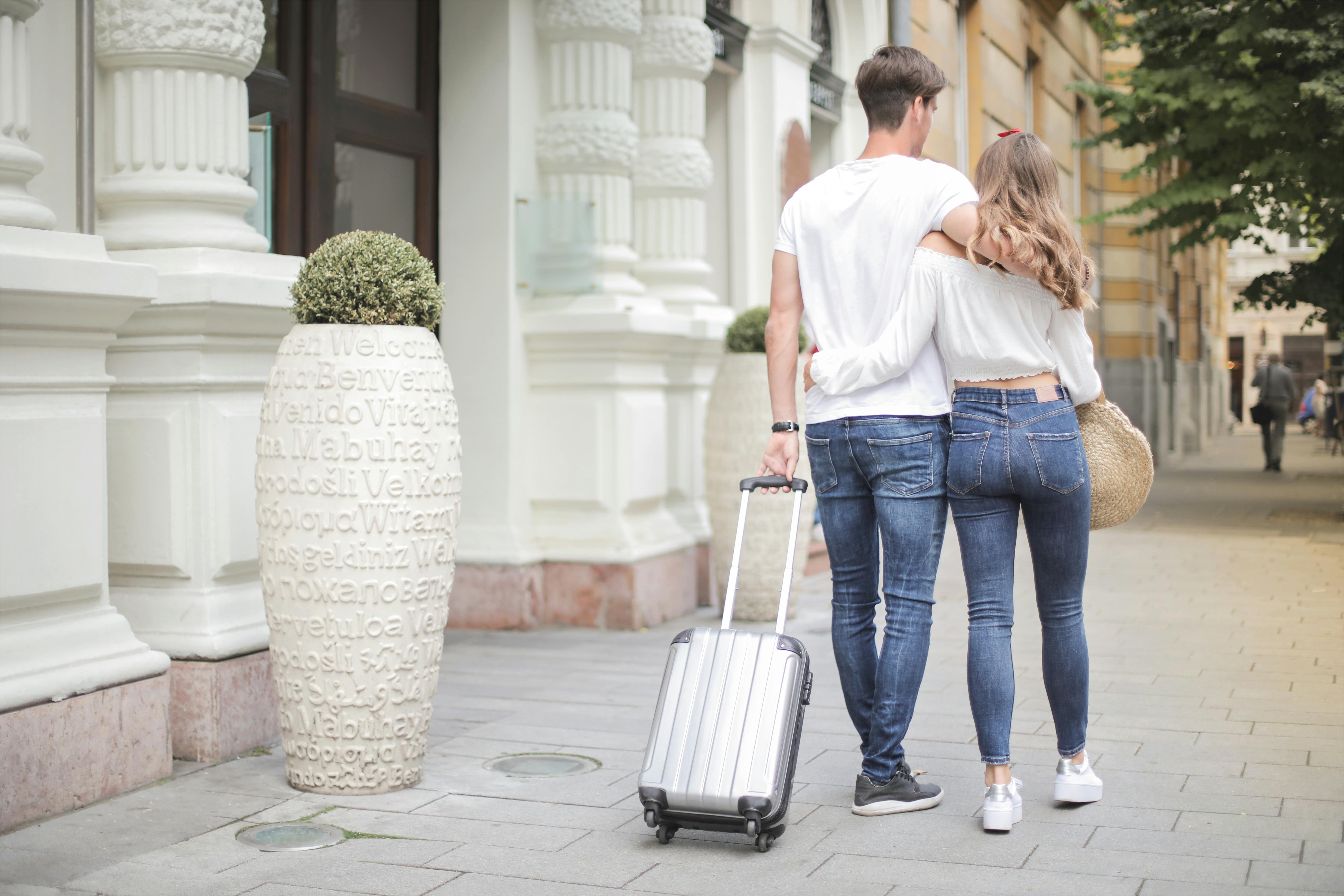
Best carry on luggage for international travel One of the most stressful moments in travel is standing at the gate while an agent eyes your bag and reaches for the sizer box. If you have been there, you know the feeling. And if you have not, you want to keep it that way. Getting flagged for an oversized carry-on is an avoidable problem, but it happens to thousands of American travelers every day because they either bought the wrong bag or did not check the rules before they packed. This guide is built to fix that. From understanding airline size charts to finding the best carryon luggage at every price point, everything here is aimed at helping you travel smarter and never pay an unnecessary gate check fee again.
How to Read and Understand Airline Size Charts
Airline size charts look straightforward until you realize that not everyone measures the same way. Knowing how to read them correctly is the first step to buying carryon luggage that actually fits.
Most airlines list carry-on dimensions in the order of height x width x depth. The critical detail that many travelers miss is that these are external measurements and they include everything. Wheels, handles, feet on the bottom of the bag, and any exterior pockets that protrude from the main body all count toward the total dimensions. A bag that lists internal dimensions of 22 x 14 x 9 inches might actually measure 23 x 15 x 10 inches on the outside once you account for the wheel housing and handle.
When you are reading a size chart for a specific airline, look for language that says overall dimensions or total outside dimensions. That is the measurement that matters at the gate sizer.
Weight limits are listed separately from size limits on most airline size charts, and they are easy to overlook. US domestic carriers typically do not enforce a weight limit on carry-on bags, though they reserve the right to. International carriers are a different story. Many enforce weight caps between 15 and 22 pounds, and some weigh bags at the gate.
Some airline size charts also list personal item dimensions as a second allowance. A personal item is the bag that goes under the seat in front of you, usually a backpack or tote, and is typically allowed in addition to your main carry-on. Knowing both limits helps you plan your packing setup before you ever leave the house.
Best Carryon Luggage for Domestic US Flights
For domestic travel within the US, the standard carry-on size limit used by most major airlines is 22 x 14 x 9 inches including wheels and handles. A bag that fits within those dimensions works on Delta, United, American Airlines, Southwest, Alaska Airlines, and most other carriers you are likely to fly.
Travelpro Maxlite 5 is one of the most recommended bags for domestic travel. It weighs around 5.7 pounds empty, fits within standard US size limits comfortably, and has an interior layout that makes packing for a week genuinely manageable. The wheels roll smoothly and the construction holds up well under frequent use.
Away The Carry-On is another strong domestic pick. The polycarbonate hard shell protects your belongings well, the built-in TSA lock is a practical feature, and the warranty coverage gives buyers real confidence. It fits within standard US airline size limits and is consistently well reviewed by American travelers.
Samsonite Omni PC 20-Inch is a reliable option that handles rough handling better than most bags at its price point. The polycarbonate shell flexes on impact rather than cracking, and the spinner wheels are smooth and durable. It is widely available and backed by a brand with over a hundred years in the luggage business.
Delsey Paris Helium Aero is a slightly under-the-radar pick that deserves more attention from American travelers. The dual-spinner wheels are among the best in the mid-range category, and the build quality punches above the price point.
Top Picks for International Routes in 2026
International travel puts extra demands on carryon luggage because you are often dealing with multiple airlines, stricter size and weight rules, and longer travel days that test how well a bag is actually built.
For international routes, staying clearly within 22 x 14 x 9 inches is the safest approach. Budget carriers in Europe and Asia are known for strict enforcement, and having a bag that is right at the limit is a risk that is not worth taking.
Briggs and Riley Baseline 22-Inch is a top choice for international travelers. The lifetime guarantee that covers airline-caused damage is a major selling point for anyone who flies frequently across international routes. The construction is excellent and the interior organization is well thought out for multi-day and multi-city trips.
Travelpro Platinum Elite 21-Inch is another standout for international travel. At around 7.8 pounds empty, it is not the lightest option but the construction quality and interior layout make it worth the trade-off. It is the bag airline crews choose, which tells you a lot about how it performs under real travel conditions.
For a detailed side-by-side look at what works best across different international airlines and routes, this guide to the best carry on luggage for international travel is a great place to start.
Calpak Hue 20-Inch is a solid mid-range option for international travelers who want quality at a more accessible price. It is lighter than many competitors and fits comfortably within international airline size limits.
Lightweight Carryon Luggage Under 7 Pounds
Weight matters more in carryon luggage than most people think about when they are shopping. The lighter your bag is when empty, the more room you have for your actual belongings before hitting any weight limits.
Travelpro Maxlite 5 leads this category at around 5.7 pounds for the 22-inch version. That is one of the lightest weights available for a full-size carry-on from a reputable brand, and the quality does not take a hit to get there.
Delsey Paris Helium Aero comes in at approximately 6.5 pounds and is a strong option for travelers who want a lightweight hard shell bag with excellent wheels. The build quality is genuinely competitive with more well-known American brands.
Away The Carry-On sits just over 7 pounds, which puts it right at the threshold. For travelers who want a hard shell polycarbonate bag with strong warranty backing, it is worth the slight extra weight compared to some lighter soft shell alternatives.
Samsonite Freeform is another option hovering around 7 pounds with a polycarbonate shell that performs well under impact. It packs a decent amount of interior space relative to its external dimensions and is a reliable choice for travelers who want a lightweight hard shell option.
A quick note on extremely cheap bags advertising very low weights. Bags that claim to weigh under 5 pounds at budget prices almost always make that happen by using inferior wheel housings, thin frame materials, or low-quality zippers. The weight savings are real but the trade-off in durability is not worth it for anyone who travels more than occasionally.
Hard Shell vs Soft Shell for Carryon Travel
This is a decision that comes up for almost every traveler shopping for carryon luggage, and both options have real advantages worth knowing about.
Hard shell bags, made from polycarbonate or ABS plastic, hold their shape no matter what. They protect fragile items better, are easier to clean, and tend to look more professional after extended use. Polycarbonate is the better material of the two because it absorbs impact by flexing slightly rather than cracking the way ABS can. Hard shell bags are a great choice for business travelers and anyone carrying anything breakable.
The one limitation of hard shell bags is that they do not compress. On a packed regional flight where overhead bin space is tight, a hard shell bag that is close to the maximum size can sometimes be harder to fit than a soft one that can give a little.
Soft shell bags made from ballistic nylon or polyester are typically lighter than hard shell options, have more exterior pockets for items you need during the flight, and can compress slightly when needed. Ballistic nylon is significantly more durable than standard polyester and is used by brands like Travelpro on their better lines. Soft shell bags are a practical choice for travelers who prioritize weight and flexibility.
For most American travelers on domestic routes, the choice really comes down to personal preference. For international routes where regional connecting flights on smaller planes are common, a soft shell bag often provides a practical advantage when overhead bin space is at a premium.
Best Carryon Luggage at Every Price Point
There are solid options across every budget, and knowing which tier makes sense for how you travel helps you make a smarter decision.
Under $100: Coolife hard shell spinners and AmazonBasics carry-ons are the best-known names in this range. They work for occasional travelers doing a few trips a year. The construction is adequate rather than impressive, but at this price point that is a reasonable trade-off for light use.
$100 to $250: This is the range where most American travelers should be shopping. Travelpro Maxlite 5, Delsey Paris Helium Aero, Away The Carry-On, and mid-range Samsonite options all live here. The step up from budget carryon luggage in this tier is significant in terms of wheel quality, material durability, zipper reliability, and overall feel. Travelers doing more than a handful of trips a year will notice the difference immediately.
$250 and up: Rimowa Essential Cabin, Briggs and Riley Baseline, and Tumi Alpha 3 represent the premium end of the market. These bags are built for travelers who are in airports every week and need something that holds up to that kind of demand year after year. At this level you are also getting meaningful warranty coverage and customer service that matches the investment.
Tips to Avoid Gate Check Fees Every Time
Gate check fees are one of the most avoidable travel costs out there. Here is how to make sure you never deal with them.
Buy a bag with accurate external dimensions. This is the most important step. Know the external measurements of your bag including wheels and handles, and make sure they fall within the size limits of the airlines you fly most. Do not rely on internal measurements listed in a product description.
Do not overstuff your bag. A carry-on that is packed beyond capacity bulges at the sides and immediately draws attention at the gate. Most quality bags have a sizer that shows the maximum shape, and bulging beyond that shape will get you flagged even if the base dimensions of the bag are compliant.
Board early whenever possible. Overhead bin space fills up fast, especially on full flights. Priority boarding, even if it costs a small fee, is often cheaper than a gate check. Status on an airline or a travel credit card that includes priority boarding is worth using here.
Soft bags help at the margins. If your bag is close to the size limit, a soft shell that can compress slightly often passes the sizer test when a hard shell at the same dimensions would not.
Know the rules of every airline you are flying on a given trip, not just your home carrier. Connecting flights on partner airlines or budget carriers sometimes have different limits than the main airline you booked with.
Frequently Asked Questions
What is the standard carryon luggage size for US airlines?
22 x 14 x 9 inches including wheels and handles is the standard used by most major US carriers including Delta, United, American Airlines, and Southwest. Always verify with your specific airline before flying.
Do all airlines use the same carry-on size limits?
No. While most major US carriers use 22 x 14 x 9 inches as the standard, budget carriers and international airlines vary. Budget European carriers can be significantly stricter on both size and weight.
How do I know if my carryon luggage will fit in the overhead bin?
Check your airline's size limit and compare it to the external dimensions of your bag including wheels and handles. If your bag falls within those dimensions and is not overstuffed, it should fit.
Is it worth buying lightweight carryon luggage?
Yes, especially for international travel where airlines enforce weight limits. A bag that is under 7 pounds empty gives you significantly more packing room before hitting weight caps on international routes.
What happens if my carry-on gets gate checked?
Your bag gets checked to your final destination and you typically pay a fee ranging from $50 to over $100 depending on the airline. On some budget carriers, the fee can be even higher than checking a bag at the ticket counter would have been.

 English
 Arabic
 French
 Spanish
 Portuguese
 Turkish
 Dutch
Dutch
 Italiano
 Russian
 Romaian
 Portuguese (Brazil)
 Greek
Greek