


Recycling Metal Industries: Driving Sustainability Through Smarter Scrap Management
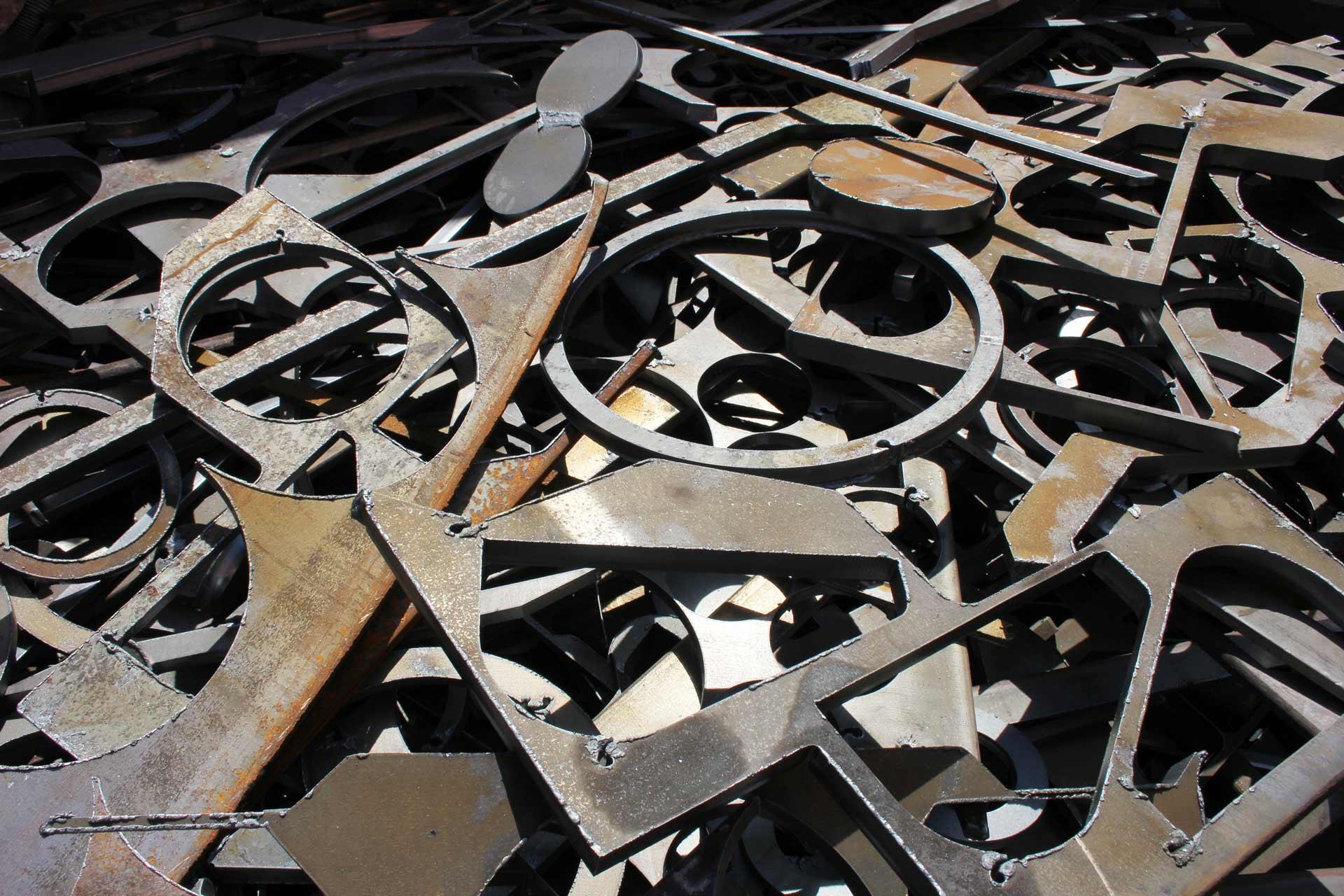
Metal plays an essential role in modern life, from construction and manufacturing to transportation and technology. However, the constant demand for new metal production can place pressure on natural resources and the environment. This is where the recycling metal industries provide a valuable solution by transforming unwanted scrap into reusable materials while supporting a more sustainable future.
Recycling metal is not simply about disposing of old materials. It is a process that helps businesses reduce waste, recover valuable resources, and contribute to the circular economy. Companies involved in metal recovery, scrap processing, and industrial recycling are helping industries operate more responsibly while creating economic benefits.
For businesses generating large volumes of scrap metal, working with experienced recyclers ensures materials such as steel, aluminium, copper, and other metals are handled efficiently and responsibly.
Understanding the Role of Recycling Metal Industries
The recycling metal industries include businesses and facilities that collect, sort, process, and reuse various types of metal waste. These industries support manufacturers, construction companies, engineering workshops, and commercial operations by providing reliable scrap metal solutions.
Unlike other waste materials, metals can often be recycled multiple times without losing their strength or quality. This makes metal recycling one of the most effective ways to conserve raw materials and reduce environmental impact.
Common recyclable metals include:
- Steel and iron scrap
- Aluminium materials
- Copper wiring and pipes
- Stainless steel
- Brass and bronze
- Industrial machinery components
- Automotive metal parts
Professional recyclers use specialised equipment to separate and prepare metals before sending them back into manufacturing cycles. This reduces landfill waste and helps industries access recycled resources more efficiently.
Why Metal Recycling Is Important for Businesses
Many industries produce scrap metal as part of their daily operations. Manufacturing offcuts, old equipment, damaged materials, and construction waste can quickly accumulate if not managed properly.
Choosing a reliable recycling partner provides several advantages:
1. Reduces Environmental Impact
Mining and processing new metals require significant energy and natural resources. Recycling existing metals helps reduce the need for additional extraction while lowering the environmental footprint associated with metal production.
2. Creates Financial Opportunities
Scrap metal has economic value. Businesses can recover money from unwanted materials instead of paying for disposal. Professional recyclers evaluate metal types, weight, and market conditions to provide fair returns.
3. Improves Workplace Organisation
Large amounts of unused metal can take up valuable space and create safety concerns. Regular scrap collection helps businesses maintain cleaner, safer, and more organised workplaces.
Industrial recyclers often provide collection services designed around business schedules, making scrap management easier for commercial operators.
How the Metal Recycling Process Works
The recycling process involves several important steps to ensure metals are recovered effectively.
Collection and Transportation
The process begins with collecting scrap metal from businesses, factories, workshops, and construction sites. Many recycling companies offer scheduled pickups and on-site collection services to minimise disruption.
Sorting and Separation
Collected materials are sorted into different categories. Ferrous metals, such as iron and steel, are separated from non-ferrous metals like copper, aluminium, and brass.
Processing and Preparation
After sorting, metals are cleaned, cut, compressed, or processed into manageable forms. Advanced recycling equipment helps improve efficiency and accuracy.
Reuse in Manufacturing
Processed metals are supplied back to manufacturers where they can be used to create new products, machinery, infrastructure, and consumer goods.
The Growth of Sustainable Scrap Metal Management
As businesses become more environmentally conscious, the demand for responsible recycling solutions continues to increase. The recycling metal industries are becoming an important part of sustainable business practices by helping companies reduce waste while supporting resource efficiency.
Modern recycling facilities are also improving their methods through better technology, accurate weighing systems, and streamlined collection services. These improvements allow businesses to manage large quantities of scrap metal with greater transparency and reliability.
Industries such as construction, automotive repair, fabrication, and manufacturing can benefit significantly from professional metal recycling programs. By partnering with experienced recyclers, companies can turn unwanted materials into valuable resources.
Choosing the Right Metal Recycling Partner
Selecting the right recycling company is important for businesses that want dependable service and responsible waste management.
Look for a recycling provider that offers:
- Experience handling industrial scrap metal
- Reliable collection services
- Transparent pricing
- Proper recycling practices
- Ability to process different metal types
- Strong customer support
A trusted recycler can help businesses create a long-term scrap management strategy that saves time, reduces waste, and improves sustainability outcomes. Industrial Metal Services provides commercial and industrial recycling solutions across Brisbane, handling various ferrous and non-ferrous metals for businesses.
Conclusion
The recycling metal industries play a vital role in building a cleaner, more sustainable future. By recovering valuable metals from unwanted materials, these industries help reduce landfill waste, conserve natural resources, and support responsible manufacturing.
For businesses, metal recycling is more than waste removal—it is an opportunity to improve efficiency, generate additional value, and demonstrate environmental responsibility. Whether you manage a construction site, workshop, or industrial facility, partnering with a professional recycler can make scrap management simple and effective.
If your business has excess metal waiting to be recycled, contact a trusted metal recycling specialist today and discover how your scrap materials can become valuable resources.
Frequently Asked Questions (FAQs)
1. What are recycling metal industries?
Recycling metal industries are businesses involved in collecting, processing, and reusing scrap metals. They help recover materials like steel, aluminium, copper, and other metals for future manufacturing.
2. What types of metals can be recycled?
Most common metals can be recycled, including steel, iron, aluminium, copper, brass, stainless steel, and many industrial metal components.
3. Why should businesses recycle scrap metal?
Businesses recycle scrap metal to reduce waste, improve workplace safety, recover financial value, and support environmentally responsible practices.
4. How does metal recycling benefit the environment?
Metal recycling reduces the need for mining new resources, saves energy, decreases landfill waste, and supports a circular economy.
5. How can companies arrange industrial metal recycling services?
Businesses can contact professional recyclers that provide collection, sorting, and processing solutions tailored to commercial and industrial needs.

 English
 Arabic
 French
 Portuguese
 Deutsch
 Turkish
 Dutch
Dutch
 Italiano
 Russian
 Romaian
 Portuguese (Brazil)
 Greek
Greek