


How Does a Licensed Hoarder Cleanup Service Handle Biohazards During Large-Scale Hoarding Cleanup Projects?
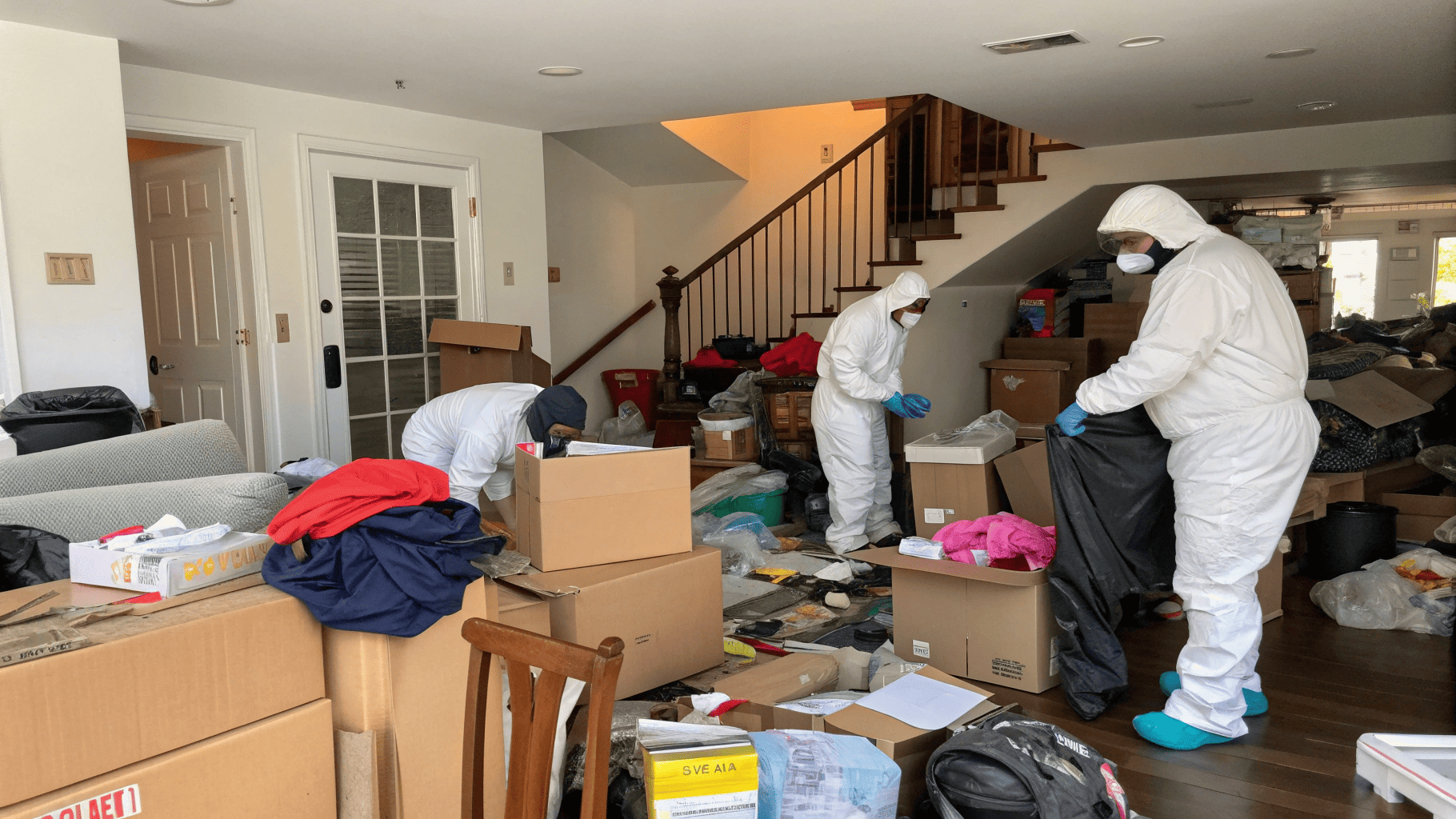
Large-scale hoarding situations often involve more than clutter and disorganization. Over time, hoarded items can create environments where mold, bacteria, pests, and hazardous waste accumulate. These conditions can present serious health risks for occupants and anyone involved in the cleanup process. Licensed professionals are trained to manage these challenges safely and efficiently. This article explains how professional teams address biohazards during large-scale hoarding situations and why specialized expertise is essential.
Cleaning these environments requires more than basic organization. It requires proper safety procedures, protective equipment, and careful waste management.
Introduction
Hoarding environments develop gradually, often over many years. As items accumulate, access to living spaces becomes limited, ventilation decreases, and sanitation becomes difficult. In some cases, food waste, animal waste, or decaying materials create hazardous conditions. When cleanup begins, disturbing these materials can release harmful bacteria or airborne particles. Licensed cleanup professionals follow strict safety protocols to protect everyone involved while restoring the space to a safe condition.
Hoarding cleanup: Initial Assessment and Safety Planning
Before beginning hoarding cleanup, professionals perform a detailed assessment of the property. This inspection helps identify potential biohazards and determine the safest cleanup approach.
During the evaluation, teams examine:
-
Areas with possible mold or bacterial contamination
-
Accumulated waste that may contain hazardous materials
-
Evidence of pests or animal infestations
-
Structural concerns that could create safety risks
This early assessment allows the cleanup team to develop a controlled plan that protects both workers and occupants.
Identifying and Containing Biohazard Risks
Biohazards are common in large hoarding environments. These may include contaminated materials, animal waste, spoiled food, or mold growth. When cleanup begins, disturbing these substances can release harmful particles into the air.
Licensed professionals use containment procedures to limit exposure. Protective barriers and controlled ventilation systems help prevent contamination from spreading to unaffected areas of the property.
Use of Protective Equipment and Safety Protocols
Safety is a top priority during hazardous cleanup work. Professionals wear specialized protective equipment designed to reduce exposure to harmful substances.
Protective measures often include:
-
Respirators or protective masks
-
Gloves and full-body protective suits
-
Eye protection and safety footwear
-
Strict hygiene and decontamination procedures
These precautions allow workers to safely handle contaminated materials.
Safe Removal and Disposal of Contaminated Materials
Large hoarding projects frequently involve materials that cannot be salvaged due to contamination. Licensed teams carefully remove these items and follow regulated disposal procedures.
Proper disposal includes separating hazardous waste from general debris and transporting it to approved waste facilities. This ensures that harmful materials are handled according to environmental and safety guidelines.
Deep Cleaning and Sanitization of the Property
Once contaminated materials are removed, the next step is thorough cleaning and sanitization. Surfaces that were previously hidden beneath hoarded items often require specialized treatment.
Cleaning procedures may involve disinfectants, antimicrobial solutions, and professional equipment designed to eliminate bacteria and odors. This step restores the property to a healthier condition.
Odor Removal and Air Quality Restoration
Hoarding environments can develop strong odors caused by mold, waste, or decaying materials. After cleaning, professionals use air purification systems and odor-neutralizing treatments to improve indoor air quality.
These treatments help eliminate lingering smells while reducing airborne contaminants that could affect respiratory health.
Repair and Restoration After Cleanup
Once the property is cleaned and sanitized, some areas may require minor repairs. Walls, flooring, and structural surfaces may need restoration after prolonged exposure to moisture or contamination.
Cleanup professionals often coordinate these repairs so that the home becomes both safe and livable again.
Why Professional Hoarder Cleanup Services Are Essential
Attempting large-scale hoarding cleanup without professional support can expose individuals to dangerous health risks. Licensed hoarder cleanup service providers have the training, equipment, and experience necessary to handle contaminated environments safely.
Professional teams follow strict safety guidelines while managing large volumes of debris and biohazardous materials. Their expertise ensures that the property is restored properly and that the cleanup process does not create additional hazards.
Conclusion
Severe hoarding environments often contain hidden biohazards that require careful handling and specialized expertise. Through detailed assessment, protective equipment, controlled removal, and thorough sanitation, professional hoarding cleanup teams restore hazardous spaces safely. Working with a licensed hoarder cleanup service ensures that biohazards are managed responsibly, protecting both the cleanup crew and the individuals who will eventually return to the space.
FAQs
Q1: What types of biohazards are common in hoarding environments?
A: Biohazards may include mold, bacteria, animal waste, spoiled food, and pest contamination.
Q2: Can hoarding cleanup be done without professional help?
A: Small clutter situations may be manageable, but large-scale cases involving biohazards require trained professionals for safety.
Q3: How long does a large hoarding cleanup project take?
A: The timeline varies depending on the severity of the situation, but large projects can take several days to complete safely.

 English
 Arabic
 French
 Spanish
 Portuguese
 Deutsch
 Turkish
 Italiano
 Russian
 Romaian
 Portuguese (Brazil)
 Greek
Greek