


EV Charger Installation in New Zealand: Everything Homeowners Need to Know
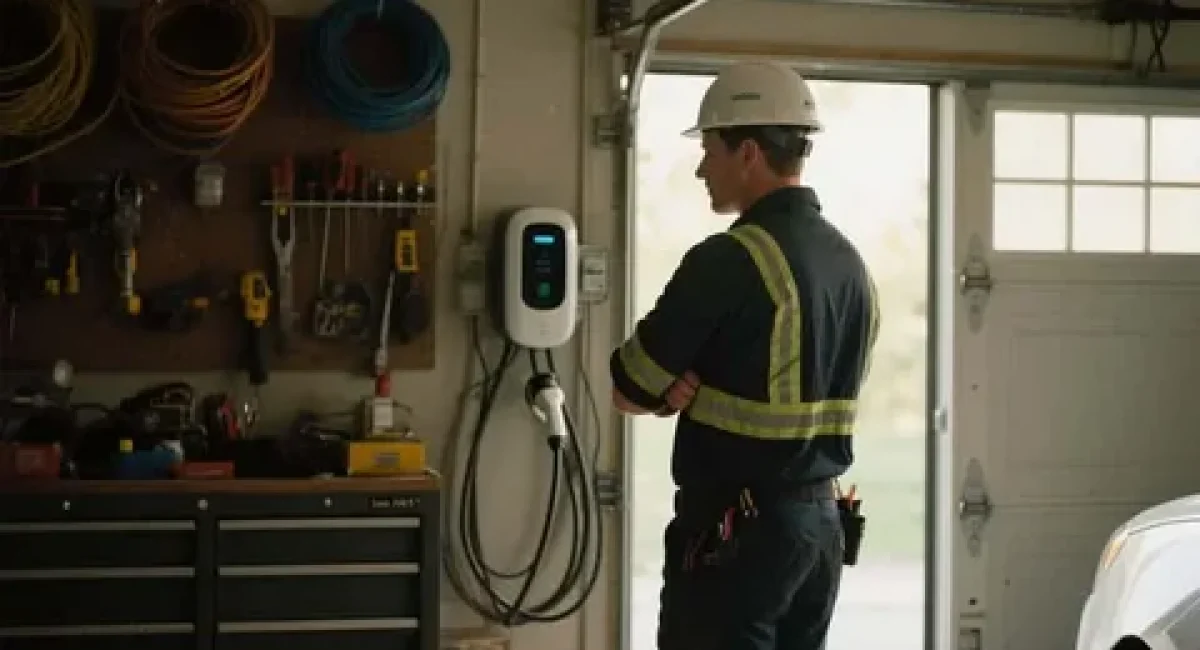
Electric vehicles (EVs) are becoming a common sight on New Zealand roads. As more people switch to cleaner and more efficient transportation, installing a dedicated EV charger at home has become a practical investment. While charging from a standard power outlet is possible, it is often slow and less efficient for everyday use.
A professionally installed EV charger provides faster charging, improved safety, and greater convenience. Whether you’ve recently purchased your first electric vehicle or are planning ahead, understanding the installation process can help you make the right decision.
In this guide, we’ll explain everything you need to know about EV charger installation in New Zealand, from choosing the right charger to understanding installation requirements and ongoing benefits.
Why Install an EV Charger at Home?
Charging your electric vehicle at home is one of the easiest ways to keep your car ready for daily use. Instead of relying on public charging stations, you can simply plug in your vehicle overnight and wake up to a fully charged battery.
Some of the biggest advantages include:
Faster charging compared to a standard wall socket
Greater convenience and flexibility
Improved electrical safety
Lower long-term charging costs
Increased property appeal for future buyers
Better compatibility with modern electric vehicles
For most homeowners, a dedicated home charger quickly becomes an essential part of EV ownership.
Types of EV Chargers Available
Level 1 Charging
A Level 1 charger uses a regular household power outlet. It requires no additional installation but charges your vehicle much more slowly. This option is suitable for drivers with very short daily commutes.
Level 2 Charging
Level 2 chargers require professional installation and operate on a higher-powered electrical circuit. They can charge an EV several times faster than a standard outlet, making them the preferred option for most New Zealand households.
Smart EV Chargers
Modern smart chargers offer advanced features such as:
Mobile app control
Scheduled charging
Energy monitoring
Wi-Fi connectivity
Solar integration
Load balancing
These features help homeowners reduce electricity costs while improving charging efficiency.
Why Professional Installation Matters
Installing an EV charger involves more than simply connecting a device to your home’s electrical system. A qualified electrician ensures the installation meets New Zealand electrical standards while protecting your property and vehicle.
Professional installation includes:
Electrical system inspection
Load calculations
Dedicated circuit installation
Safety testing
Compliance with local regulations
Final commissioning
Attempting DIY installation can create serious electrical hazards and may affect insurance coverage.
What Happens During EV Charger Installation?
Although every property is different, the EV Charger installation process generally follows these steps.
Initial Property Assessment
An electrician evaluates:
Your switchboard capacity
Existing wiring
Parking location
Cable routing
Distance from the electrical panel
Selecting the Right Charger EV Charger Installation
The ideal charger depends on:
Vehicle compatibility
Daily driving distance
Charging speed requirements
Future EV plans
Budget
Installation EV Charger Installation
The electrician installs:
Dedicated circuit
Protective safety devices
Charging unit
Cabling
Mounting hardware
Testing and Certification
After installation, the charger is tested to ensure safe operation and compliance with New Zealand electrical standards.
How Long Does Installation Take?
Most residential EV charger installations can be completed within a few hours.
However, additional electrical upgrades may increase installation time if your property requires:
Switchboard upgrades
Additional cabling
New circuit breakers
Three-phase power upgrades
Factors That Affect Installation Cost
Several factors influence the overall installation cost, including:
Type of charger
Distance between switchboard and charger
Electrical upgrades required
Property layout
Cable length
Outdoor installation requirements
A professional site assessment provides the most accurate estimate.
Choosing the Right EV Charger Installation
Before purchasing an EV charger, consider:
Charging Speed
Choose a charger that matches your daily driving needs without paying for unnecessary capacity.
Smart Features
Many homeowners appreciate features such as:
Remote monitoring
Scheduled charging
Energy tracking
Solar compatibility
Future Expansion
If you plan to purchase another electric vehicle in the future, selecting a charger with higher capacity can be a smart long-term investment.
Safety Considerations
Electrical safety should always be the highest priority.
Professional installation helps ensure:
Correct circuit protection
Proper earthing
Safe cable installation
Weather-resistant outdoor equipment
Compliance with national regulations
Routine inspections also help maintain long-term performance.
Can You Install an Outdoor EV Charger?
Yes.
Many EV chargers are specifically designed for outdoor use and are built to withstand New Zealand’s changing weather conditions.
Outdoor installations should include the following:
- Weatherproof equipment
- Secure cable management
- Proper mounting
- Protection from physical damage
Is a Smart Charger Worth It?
For many homeowners, the answer is yes.
Smart chargers allow you to:
Charge during off-peak electricity hours
Monitor electricity usage
Control charging remotely
Integrate with solar energy systems
Receive software updates
These features improve both convenience and energy efficiency.
Preparing Your Home for an EV Charger Installation
If you’re planning to buy an EV soon, preparing your home in advance can save time later.
Consider:
Checking switchboard capacity
Choosing a convenient parking location
Planning cable routes
Installing a dedicated charging circuit
Discussing future electrical needs with a licensed electrician
Benefits of Installing an EV Charger
A professionally installed charger offers long-term value through:
Faster charging times
Increased convenience
Improved safety
Lower dependence on public charging stations
Better energy management
Added property value
Reliable daily charging
As electric vehicle ownership continues to grow across New Zealand, home charging is becoming an increasingly valuable feature.
Conclusion
Installing a home EV Charger Installation is one of the best ways to enjoy the full benefits of electric vehicle ownership. It offers faster charging, improved safety, and greater convenience while helping you reduce reliance on public charging stations.
Whether you’re purchasing your first electric vehicle or upgrading your existing charging setup, working with a qualified electrician ensures your system is installed safely and efficiently. With the right charger and professional installation, you’ll enjoy reliable charging for years to come.
Frequently Asked Questions
How long does it take to charge an electric vehicle at home?
Charging time depends on the vehicle battery size and charger type. A dedicated Level 2 charger is significantly faster than a standard household outlet.
Can I use a normal power socket?
Yes, but charging is much slower and may not be suitable for regular daily use.
Do I need a licensed electrician?
Yes. EV charger installation should always be completed by a qualified electrician to ensure safety and compliance with New Zealand electrical regulations.
Can I install the charger outside?
Absolutely. Many EV chargers are designed specifically for outdoor installation when installed correctly.
Will a home EV charger increase property value?
As electric vehicles become more common, a professionally installed EV charger can make a property more attractive to future buyers.

 English
 Arabic
 French
 Spanish
 Portuguese
 Deutsch
 Dutch
Dutch
 Italiano
 Russian
 Romaian
 Portuguese (Brazil)
 Greek
Greek