


How Gut Microbiota Modulates Brain Homeostasis: Unveiling the Brain-Gut-Immune Axis
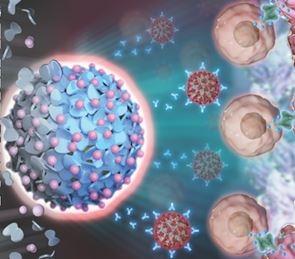
For decades, neuroscientists viewed the human brain as an isolated command center, shielded from the rest of the body by the formidable blood-brain barrier. However, groundbreaking research over the last decade has shattered this insular perspective, revealing a highly dynamic and bidirectional communication network known as the brain-gut-immune axis.
At the heart of this complex network is the gut microbiota, which exerts a profound influence on central nervous system (CNS) health and pathology. Understanding how intestinal microbes communicate with the brain has open up revolutionary avenues for treating neurodegenerative and psychiatric disorders, positioning neuro-immunology at the forefront of modern therapeutic discovery.
The Microbiome’s Remote Control: How Gut Bacteria Speak to the Brain
The gut microbiota does not merely assist with digestion; it functions as an endocrine organ, synthesizing neurotransmitters, short-chain fatty acids (SCFAs), and immune-modulating metabolites. When the delicate balance of the gut microbiome is disrupted (dysbiosis), harmful pathobionts proliferate, releasing systemic inflammatory cytokines and bacterial byproducts like lipopolysaccharides (LPS).
These inflammatory signals travel through the bloodstream or stimulate the vagus nerve, eventually reaching the brain. To understand these complex, systemic interactions, researchers rely on specialized, multi-disciplinary testing platforms. Utilizing comprehensive neuroscience assays allows scientists to trace these pathways, evaluating how molecular, cellular, and endocrine shifts driven by gut-derived signals ultimately contribute to disease progression in the CNS.
Microglia: The Sentinels of Neuro-Inflammation
Once peripheral inflammatory signals cross into the brain, they are detected by microglia—the resident macrophage-like immune cells of the central nervous system. Under physiological conditions, microglia are essential for maintaining brain homeostasis, pruning nonfunctional synapses, and clearing apoptotic debris.
However, persistent dysbiosis and gut-derived inflammatory factors can chronically activate microglia. This chronic activation shifts them into a pro-inflammatory phenotype, leading to the sustained release of neurotoxic cytokines (such as TNF-α, IL-1β, and IL-6) and reactive oxygen species (ROS). This neuroinflammatory cascade is a hallmark of major neurodegenerative conditions, including Alzheimer’s disease and Parkinson’s disease.
To decipher this cellular mechanism, executing highly sensitive microglia assays is essential. These assays enable researchers to measure microglial activation, assess their phagocytic capacity, and quantify migratory behavior in response to gut-derived stimuli, providing key targets for neuroprotective drug development.
Rewriting the Axis: Therapeutic Modification of Gut Microbiota
Because the brain-gut-immune axis is bidirectional, remodeling the gut microbiome represents a powerful strategy to halt neuroinflammation and treat CNS disorders. One of the most direct and well-established methods to investigate this relationship is utilizing targeted antibiotic regimens to selectively deplete or alter specific microbial populations.
Through the antibiotic modification of gut microbiota, researchers can establish baseline models to study how the depletion of certain protective bacteria—or the suppression of harmful pathogens—directly affects microglial behavior and cognitive function. This research is paving the way for targeted biotherapeutics, such as engineered probiotics and microbiota transplants, designed to quiet neuroinflammation from the gut up.
Conclusion
The brain-gut-immune axis has redefined our approach to neurology. No longer can we treat brain disorders in isolation from the body's metabolic and microbial state. By bridging the gap between microbiology and neurobiology, researchers are unlocking therapeutic strategies that start in the digestive tract but ultimately protect the mind.

 English
 Arabic
 French
 Portuguese
 Deutsch
 Turkish
 Dutch
Dutch
 Italiano
 Russian
 Romaian
 Portuguese (Brazil)
 Greek
Greek