


Day Labels: Complete Guide to Food Rotation, Organisation, and Efficient Inventory Management
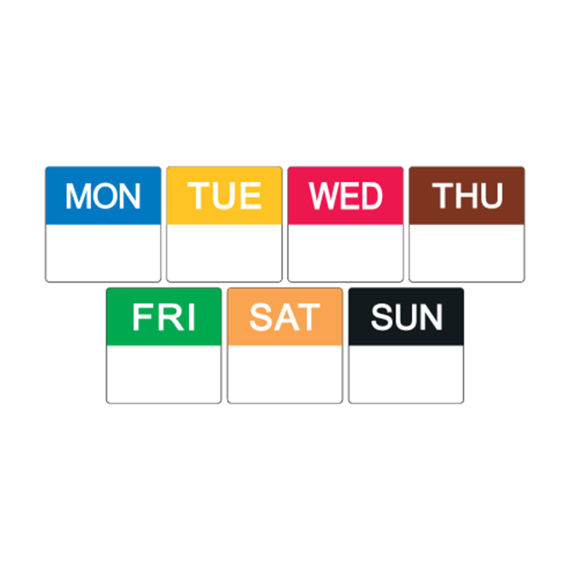
Proper organisation is essential in businesses where products need to be tracked, stored safely, and used within specific time periods. In industries such as food service, hospitality, healthcare, retail, and manufacturing, clear identification plays a major role in maintaining quality and reducing waste.
One of the simplest and most effective solutions for managing product rotation and inventory control is the use of Day labels.
Day labels are specially designed labels used to identify the preparation date, storage day, expiry period, or usage schedule of products. They are commonly used by restaurants, commercial kitchens, hotels, supermarkets, catering companies, and food preparation facilities to improve organisation and maintain safety standards.
By clearly marking items according to specific days, businesses can follow proper stock rotation systems, reduce food waste, and ensure products are used at the right time.
This comprehensive guide explains everything you need to know about day labels, including their uses, benefits, types, applications, and frequently asked questions.
What Are Day Labels?
Day labels are adhesive identification labels designed to help businesses track products based on days of preparation, storage, or usage.
These labels usually feature:
-
Days of the week
-
Colour coding
-
Writing areas
-
Strong adhesive backing
-
Easy-to-read designs
They allow employees to quickly identify when products were prepared, stored, or should be used.
For example, a commercial kitchen may use day labels to mark food containers according to preparation days, helping staff follow a first-in, first-out inventory system.
Day labels are widely used because they provide a simple visual management system that improves efficiency and reduces mistakes.
Why Are Day Labels Important?
In industries where freshness, safety, and organisation matter, accurate product identification is essential.
Without proper labelling, businesses may experience:
-
Food waste
-
Expired products
-
Inventory confusion
-
Poor stock rotation
-
Safety risks
Day labels provide a quick and reliable way to manage products.
They help businesses:
-
Track preparation dates
-
Improve organisation
-
Maintain hygiene standards
-
Reduce unnecessary waste
-
Increase workplace efficiency
A simple label can significantly improve daily operations.
Common Applications of Day Labels
Day labels are used across many industries where product tracking and organisation are important.
Food Service and Commercial Kitchens
The food industry is one of the biggest users of day labels.
Restaurants, cafes, hotels, and catering businesses use them for:
-
Prepared meals
-
Ingredients
-
Sauces
-
Desserts
-
Stored food containers
-
Refrigerated products
Day labels help kitchen teams identify when food was prepared and ensure products are used within safe time limits.
Hotels and Hospitality Businesses
Hotels manage large quantities of food and beverages every day.
Day labels help hotel kitchens organise:
-
Breakfast items
-
Buffet preparation
-
Stored ingredients
-
Catering supplies
-
Refrigerated products
They support better inventory control and reduce food waste.
Supermarkets and Retail Food Stores
Retail food businesses use day labels to manage fresh products.
Applications include:
-
Bakery items
-
Ready-to-eat meals
-
Prepared foods
-
Fresh ingredients
Clear labels help employees and customers understand product freshness.
Catering Companies
Catering businesses often prepare large quantities of food in advance.
Day labels help manage:
-
Event preparation
-
Food storage
-
Transportation organisation
-
Production schedules
They improve accuracy and efficiency during busy operations.
Healthcare Facilities
Hospitals and care facilities require strict organisation of food and supplies.
Day labels help track:
-
Meal preparation
-
Stored items
-
Dietary products
-
Kitchen inventory
Proper labelling supports hygiene and safety procedures.
Benefits of Using Day Labels
Using day labels provides several advantages for businesses.
Improved Food Rotation
One of the biggest benefits of day labels is better stock rotation.
Employees can quickly identify older products and use them first.
This supports:
-
First-in, first-out systems
-
Reduced spoilage
-
Better inventory control
Reduced Food Waste
Food waste is a major concern for many businesses.
Without proper tracking, products may be forgotten or expire before use.
Day labels help businesses:
-
Monitor product age
-
Reduce unnecessary disposal
-
Improve purchasing decisions
Better Workplace Organisation
Clear labels create a more organised working environment.
Employees can easily identify:
-
Product preparation dates
-
Storage information
-
Usage schedules
This saves time and reduces confusion.
Improved Food Safety
Food safety depends on proper handling and storage practices.
Day labels help employees monitor:
-
Preparation dates
-
Storage duration
-
Product freshness
This supports better hygiene management.
Increased Employee Efficiency
In busy kitchens and workplaces, employees need quick access to information.
Day labels provide immediate identification without requiring additional systems or paperwork.
Types of Day Labels Available
Different businesses require different types of labels depending on their needs.
Standard Day Labels
Standard day labels include basic day identification.
They are commonly used for:
-
Food containers
-
Storage items
-
Kitchen organisation
They provide a simple and effective labelling solution.
Colour-Coded Day Labels
Colour-coded labels use different colours to represent different days.
Benefits include:
-
Faster identification
-
Improved visual organisation
-
Reduced mistakes
Colour systems are especially useful in busy commercial kitchens.
Removable Day Labels
Removable labels are designed to peel away easily after use.
They are useful for:
-
Reusable containers
-
Food storage systems
-
Temporary identification
They help prevent sticky residue on surfaces.
Permanent Day Labels
Permanent labels provide stronger adhesion for long-term use.
They are suitable for:
-
Storage areas
-
Equipment identification
-
Long-term organisation
Custom Printed Day Labels
Businesses can customise labels according to their requirements.
Custom options include:
-
Company branding
-
Special instructions
-
Additional information fields
-
Custom colours
Features of High-Quality Day Labels
Not all labels provide the same performance. Quality labels should have specific features.
Strong Adhesive
A good day label should stick securely to different surfaces.
It should work on:
-
Plastic containers
-
Packaging materials
-
Storage boxes
-
Food containers
Easy Writing Surface
Employees should be able to write clearly on labels.
A quality label allows:
-
Marker compatibility
-
Clear handwriting
-
Easy reading
Easy Removal
For temporary applications, labels should remove easily without leaving residue.
Clear Visibility
Labels should be easy to identify quickly.
Good visibility improves workplace efficiency.
Food-Safe Options
For food-related applications, labels should be suitable for food environments.
Food-safe labels help maintain hygiene standards.
How Day Labels Improve Inventory Management
Effective inventory management is essential for reducing costs and maintaining quality.
Day labels support inventory systems by providing clear information about:
-
Preparation dates
-
Product age
-
Storage schedules
-
Usage deadlines
This allows businesses to make better decisions about:
-
Purchasing
-
Storage
-
Production planning
Importance of Day Labels in Food Safety
Food businesses must maintain strict safety practices to protect customers.
Day labels support food safety by helping staff monitor:
-
Freshness
-
Storage periods
-
Preparation timing
-
Product rotation
They create accountability and make it easier to follow internal safety procedures.
Day Labels and HACCP Compliance
Many food businesses follow HACCP (Hazard Analysis and Critical Control Points) principles to maintain food safety.
Day labels support these practices by helping track:
-
Food preparation dates
-
Storage periods
-
Product handling information
Accurate labelling contributes to better documentation and operational control.
Choosing the Right Day Labels for Your Business
Selecting suitable day labels depends on your specific requirements.
Consider Your Industry
Different industries need different label features.
For example:
-
Restaurants may need food-safe removable labels
-
Warehouses may require stronger labels
-
Retail stores may prefer colour coding
Check Adhesive Quality
Choose labels that work well with your storage conditions.
Consider:
-
Refrigeration
-
Freezing
-
Moisture exposure
-
Container materials
Choose the Right Size
The label size should provide enough space for:
-
Day identification
-
Additional notes
-
Product information
Consider Custom Requirements
Businesses with specific needs may benefit from customised labels.
How to Use Day Labels Effectively
Proper usage improves the benefits of day labels.
Follow these practices:
-
Apply labels immediately after preparation
-
Place labels in visible areas
-
Train employees on labelling procedures
-
Follow stock rotation systems
-
Remove outdated labels regularly
Consistency is the key to successful labelling systems.
Common Mistakes When Using Day Labels
Avoiding common mistakes helps businesses get better results.
Incorrect Label Placement
Labels should be placed where employees can easily see them.
Poor Employee Training
Staff should understand the importance of proper labelling.
Using Low-Quality Labels
Poor adhesive or unclear printing can reduce effectiveness.
Ignoring Rotation Systems
Labels work best when combined with proper inventory practices.
Sustainable Options for Day Labels
Many businesses are becoming more environmentally conscious.
Sustainable label options may include:
-
Recyclable materials
-
Reduced packaging waste
-
Eco-friendly adhesives
Choosing sustainable labels helps businesses improve environmental responsibility.
Frequently Asked Questions About Day Labels
What are day labels used for?
Day labels are used to identify preparation dates, storage days, expiry periods, and product rotation schedules.
Which industries use day labels?
Day labels are commonly used in restaurants, hotels, catering businesses, supermarkets, healthcare facilities, and commercial kitchens.
Are day labels food safe?
Many day labels are specifically designed for food environments. Businesses should choose labels suitable for their application.
Can day labels be removed easily?
Yes, removable day labels are designed to peel away without leaving significant residue.
Why are colour-coded day labels useful?
Colour coding allows employees to quickly identify products and improves organisation in busy workplaces.
Can businesses customise day labels?
Yes, businesses can customise labels with branding, additional information fields, and specific designs.
How do day labels reduce food waste?
They help employees track product age and use older items first, reducing expired products.
Are day labels suitable for refrigerated storage?
Yes, many day labels are designed to perform well in refrigerated environments.
Conclusion
Day labels are a simple yet highly effective solution for improving organisation, food safety, and inventory management across multiple industries.
From restaurants and hotels to supermarkets and healthcare facilities, these labels help businesses track products, reduce waste, and maintain better operational control.
By choosing high-quality day labels with strong adhesion, clear visibility, and suitable materials, businesses can create more efficient workflows and improve product management.
Whether you need standard labels, colour-coded systems, removable options, or customised solutions, day labels provide a practical way to maintain organisation and improve daily operations.

 English
 Arabic
 French
 Spanish
 Portuguese
 Deutsch
 Turkish
 Dutch
Dutch
 Italiano
 Russian
 Romaian
 Greek
Greek