


Understanding FSGS: Types, Kidney Disorder, and Treatment Options
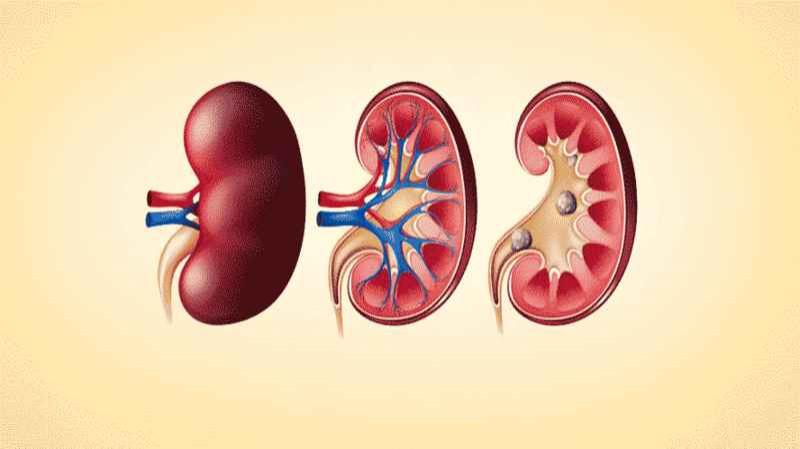
Rare kidney diseases can affect how the kidneys filter waste and maintain the body's fluid balance. Among these conditions, Focal Segmental Glomerulosclerosis (FSGS) is a rare disorder that can lead to protein loss in the urine, swelling, and declining kidney function. While receiving an FSGS diagnosis can feel overwhelming, understanding the different types of the disease and available treatment options can help patients and families feel more informed and prepared.
At NephCure, we are committed to advancing research, educating patients, and supporting families affected by rare kidney diseases. Through trusted educational resources, advocacy, and community programs, we empower individuals to better understand their condition and actively participate in their care. In this guide, we'll explore focal segmental glomerulosclerosis types, fsgs kidney disorder, and fsgs treatment options.
Why Learning About FSGS Is Important
The kidneys contain millions of tiny filtering units called glomeruli that remove waste and excess fluid from the bloodstream. In FSGS, scar tissue develops in some of these filters, making it harder for the kidneys to function efficiently.
Learning about FSGS helps patients:
- Better understand their diagnosis
- Recognize symptoms that require medical attention
- Learn about available treatment strategies
- Support long-term kidney health
- Stay informed about ongoing medical research
At NephCure, we believe that education is a key step toward better kidney health and improved patient outcomes.
Understanding FSGS Kidney Disorder
Fsgs kidney disorder is a chronic disease that causes scarring within the glomeruli, reducing the kidneys' ability to filter blood effectively. As the disease progresses, protein may leak into the urine, and kidney function may gradually decline.
Common symptoms include:
- Swelling in the feet, ankles, legs, or around the eyes
- Foamy urine caused by excess protein
- High blood pressure
- Fatigue
- Weight gain from fluid retention
- Changes in kidney function
Symptoms vary from person to person, making regular medical evaluation important for diagnosis and ongoing care.
Focal Segmental Glomerulosclerosis Types
Understanding focal segmental glomerulosclerosis types helps healthcare providers determine the most appropriate treatment plan.
Primary FSGS
Primary FSGS develops without a clearly identifiable underlying cause. Researchers believe immune system dysfunction may contribute to this form of the disease. Patients with primary FSGS often require medications that help reduce protein loss and control inflammation.
Secondary FSGS
Secondary FSGS develops as a result of another medical condition or external factor that places stress on the kidneys.
Possible contributing factors include:
- Obesity
- Long-standing high blood pressure
- Viral infections
- Reduced blood flow to the kidneys
- Certain medications
- Other kidney diseases
Treatment focuses on both protecting kidney function and managing the underlying condition.
Genetic FSGS
Genetic FSGS occurs because of inherited changes in genes that affect the kidney's filtering barrier. This form is more commonly identified in children and young adults but can occur at any age.
Genetic testing may be recommended when there is a strong family history or when FSGS develops early in life.
FSGS Treatment Options
The goal of fsgs treatment options is to slow disease progression, reduce protein loss, manage symptoms, and preserve kidney function for as long as possible. Treatment is individualized based on the type of FSGS, overall kidney function, and each patient's unique health needs.
Common treatment options include:
- ACE inhibitors or ARBs to lower blood pressure and reduce protein leakage
- Corticosteroids for selected patients with primary FSGS
- Immunosuppressive medications when appropriate
- Diuretics to reduce swelling
- Cholesterol-lowering medications if needed
- Individualized nutrition and lifestyle recommendations
- Regular monitoring of kidney function and urine protein
For patients with secondary FSGS, treating the underlying cause is an essential part of disease management. If kidney function declines significantly, dialysis or kidney transplantation may become necessary.
The Importance of Early Diagnosis
Early diagnosis gives healthcare providers the opportunity to begin treatment before extensive kidney damage occurs.
Diagnostic evaluation may include:
- Urine tests to detect protein or blood
- Blood tests to assess kidney function
- Blood pressure monitoring
- Kidney imaging
- Kidney biopsy, the gold standard for confirming FSGS
- Genetic testing when appropriate
An accurate diagnosis helps guide personalized treatment and long-term monitoring.
Supporting Kidney Health
In addition to medical treatment, healthy daily habits can support kidney function and overall well-being.
Patients are encouraged to:
- Take medications as prescribed
- Follow individualized dietary recommendations
- Limit sodium intake when advised
- Stay physically active within recommended limits
- Maintain healthy blood pressure
- Attend regular follow-up appointments
- Discuss all medications and supplements with their healthcare provider
These lifestyle measures complement professional medical care and may contribute to better long-term outcomes.
How NephCure Supports Patients and Families
At NephCure, we understand that living with a rare kidney disease can be challenging. Our organization is dedicated to helping patients and caregivers access trusted information, educational resources, and meaningful support.
We proudly provide:
- Educational resources for patients and families
- Funding for innovative kidney disease research
- Advocacy and awareness initiatives
- Community support programs
- Connections to kidney specialists and clinical research opportunities
By empowering patients through education, NephCure helps individuals confidently navigate every stage of their kidney health journey.
Looking Toward the Future
Research continues to improve our understanding of focal segmental glomerulosclerosis types, fsgs kidney disorder, and fsgs treatment options. Advances in genetics, immunology, and precision medicine are creating new opportunities for earlier diagnosis, targeted therapies, and improved outcomes for people living with FSGS.
At NephCure, we remain committed to advancing education, supporting groundbreaking research, and building a stronger community for everyone affected by rare kidney diseases. If you or a loved one has concerns about kidney health, consult a qualified healthcare professional for a personalized evaluation and treatment plan.

 Arabic
 French
 Spanish
 Portuguese
 Deutsch
 Turkish
 Dutch
Dutch
 Italiano
 Russian
 Romaian
 Portuguese (Brazil)
 Greek
Greek