


How to Prioritize Test Cases in Regression Testing?
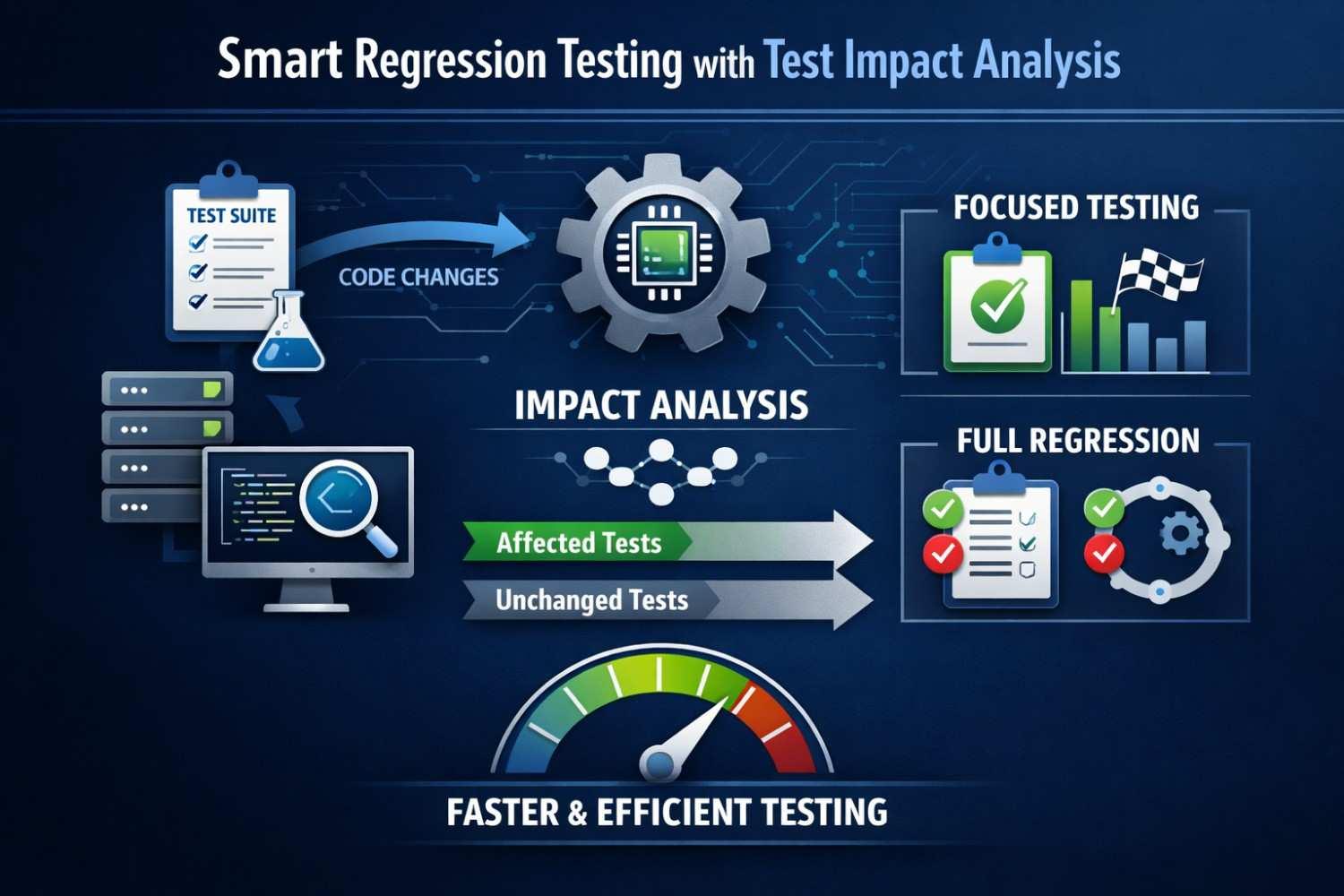
As software applications evolve through continuous updates, feature additions, and bug fixes, maintaining application stability becomes increasingly important. Regression testing helps ensure that previously validated features continue to work correctly after code changes. However, large projects often accumulate hundreds or even thousands of regression test cases, making it impractical to execute every test during every release cycle.
Prioritizing test cases in regression testing allows teams to focus on the most critical parts of the application first. By selecting and executing the most valuable test cases early, teams can identify major issues quickly while maintaining efficient testing workflows.
Why Test Case Prioritization Matters
In large applications, executing the entire regression test suite can be time-consuming and resource-intensive. Without prioritization, teams may spend significant time running tests that provide limited value while critical functionality remains unchecked.
Prioritization ensures that test cases covering essential workflows, high-risk areas, and frequently used features are executed first. This strategy increases the chances of identifying important issues early in the testing cycle.
It also allows teams to deliver faster releases without compromising software quality.
Identify Business-Critical Features
One of the most effective ways to prioritize test cases is by focusing on features that have the greatest impact on users or business operations. These core features should always be included in regression test runs.
For example, in an e-commerce application, features such as product search, checkout processes, payment confirmation, and order management are essential to the user experience. Test cases that validate these workflows should receive the highest priority.
Ensuring that business-critical functionality works correctly helps maintain user trust and system reliability.
Focus on Recently Modified Areas
Code changes are often the most likely source of new issues. Whenever developers modify certain components of the application, test cases related to those areas should be prioritized.
By concentrating on modules affected by recent updates, teams can quickly identify whether the changes have impacted existing functionality.
This approach is particularly useful in agile development environments where code updates occur frequently.
Prioritize Based on Risk and Complexity
Some areas of an application are naturally more complex than others and therefore carry a higher risk of errors. Test cases associated with these high-risk components should receive higher priority in regression testing cycles.
For instance, modules involving complex business logic, integrations with external services, or large data processing workflows often require more careful validation.
Testing these areas first helps ensure that critical system functions remain stable.
Use Historical Test Results
Past testing data can provide valuable insights when prioritizing test cases. Test cases that have previously detected issues or failures are more likely to uncover problems again in future testing cycles.
Analyzing historical test results allows teams to identify patterns and focus on areas that are historically more prone to problems.
This data-driven approach helps improve the effectiveness of regression testing.
Consider Test Execution Time
Another important factor when prioritizing test cases is execution time. Some tests take significantly longer to run than others. When working with tight release schedules, teams may choose to execute faster tests first to obtain quick feedback about system stability.
Longer or more resource-intensive tests can be scheduled later in the testing process or executed in parallel if the infrastructure supports it.
Balancing execution time with test importance helps optimize testing efficiency.
Leverage Automation and Testing Tools
Automation can significantly improve the efficiency of prioritized regression testing. Automated tests can execute quickly and repeatedly, making it easier to run high-priority test cases whenever new code changes are introduced.
Many modern regression testing tools also support features such as intelligent test selection, parallel execution, and integration with development pipelines. These capabilities help teams run prioritized tests automatically as part of their continuous integration workflows.
By combining prioritization strategies with automation tools, organizations can maintain strong test coverage while reducing overall testing time.
Continuously Review and Update Priorities
Test case prioritization is not a one-time process. As applications evolve and new features are introduced, testing priorities may change. Teams should regularly review their regression test suites and update priorities based on new risks, updated workflows, and evolving business requirements.
Continuous review ensures that regression testing remains aligned with the current state of the application.
Conclusion
Prioritizing test cases is a critical step in making regression testing more efficient and effective. By focusing on business-critical features, recently modified components, high-risk areas, and historical test data, teams can ensure that the most important parts of the application are validated first.
Combining these strategies with automation and modern regression testing tools allows organizations to maintain high software quality while supporting faster development cycles. Effective prioritization ultimately helps teams detect issues earlier and deliver more stable software releases.

 English
 Arabic
 French
 Spanish
 Portuguese
 Deutsch
 Dutch
Dutch
 Italiano
 Russian
 Romaian
 Portuguese (Brazil)
 Greek
Greek