


Why Europe Is Accelerating Electric Truck Adoption
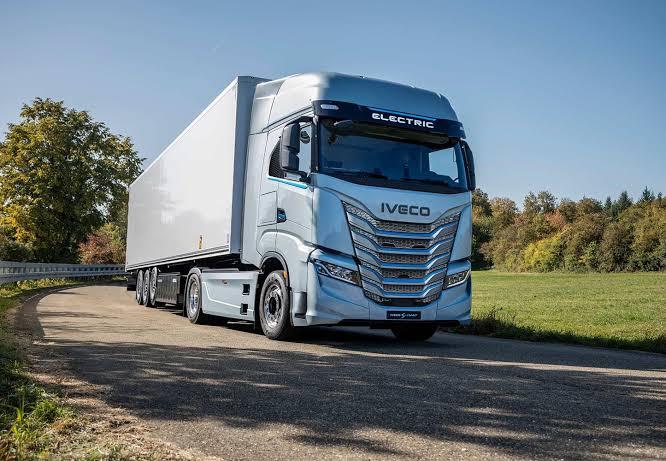
Europe’s freight transportation sector is undergoing one of its most significant transformations as governments, logistics providers, and vehicle manufacturers work toward reducing carbon emissions. Electric trucks are becoming an increasingly practical solution for commercial transport, driven by stricter environmental regulations, advances in battery technology, and growing demand for sustainable logistics. While diesel-powered fleets continue to dominate long-haul transportation, the transition toward electric alternatives are steadily gaining momentum across the region.
One factor supporting this transition is the growing availability of industry research on commercial vehicle electrification. Recent analysis covering European zero-emission freight transportation highlights how regulatory policies, charging infrastructure development, and fleet modernization are influencing purchasing decisions among logistics operators. These developments are encouraging businesses to evaluate long-term operating efficiency alongside sustainability goals.
The pace of adoption varies by country, but several European economies are investing heavily in charging networks, renewable energy integration, and incentives designed to support commercial fleet electrification. As battery performance improves and charging times decline, electric trucks are becoming increasingly suitable for urban distribution, regional logistics, and selected long-distance applications where predictable routes simplify charging strategies.
Regulatory Policies Continue to Shape the Industry
Government regulations remain one of the strongest drivers behind commercial vehicle electrification. European climate objectives encourage manufacturers to reduce vehicle emissions while motivating fleet operators to replace older diesel vehicles with cleaner alternatives. Regulatory certainty also provides businesses with greater confidence when planning long-term fleet investments.
The European Union's emission reduction targets for heavy-duty vehicles have accelerated investment in battery-electric truck platforms and supporting infrastructure. Manufacturers are expanding product portfolios to meet evolving compliance requirements while improving vehicle efficiency and payload capabilities. These policy measures continue to influence purchasing decisions throughout the logistics ecosystem.
Battery Technology Is Improving Operational Performance
Advancements in battery chemistry, energy density, and thermal management have significantly improved the operational capabilities of electric trucks. Modern battery systems provide greater driving ranges while supporting faster charging, making them increasingly suitable for commercial applications that previously relied exclusively on diesel-powered vehicles.
Battery innovations also contribute to lower maintenance requirements because electric drivetrains contain fewer moving parts than conventional internal combustion engines. Fleet operators evaluating total cost of ownership increasingly consider reduced servicing requirements alongside fuel savings when comparing electric and diesel vehicles.
Charging Infrastructure Remains a Critical Priority
Despite rapid progress, charging infrastructure continues to represent one of the industry's biggest challenges. Commercial vehicles require high-capacity charging solutions capable of supporting large battery packs without creating excessive operational downtime. Public and private investments are therefore focusing on expanding fast-charging corridors along major freight routes.
Several infrastructure projects across Europe aim to deploy megawatt charging systems designed specifically for heavy-duty trucks. As charging networks expand, fleet operators are expected to experience greater route flexibility, reduced range anxiety, and improved operational planning. Reliable infrastructure will play a major role in supporting broader commercial adoption over the coming years.
Logistics Companies Are Driving Commercial Adoption
Large logistics providers are among the earliest adopters of electric trucks because they can integrate charging infrastructure into distribution hubs while operating vehicles on predictable delivery routes. Urban freight operations, regional distribution centers, and last-mile delivery services often provide favorable operating conditions for battery-electric commercial vehicles.
Many companies are using pilot programs to evaluate vehicle performance, charging efficiency, maintenance costs, and driver experience before expanding electric fleets. These operational insights help businesses make informed investment decisions while supporting broader sustainability commitments.
Manufacturers Continue to Expand Their Electric Portfolios
Europe's leading commercial vehicle manufacturers are investing heavily in research, production capacity, and next-generation electric truck platforms. Competition among established truck makers and emerging entrants is encouraging faster innovation in battery technology, software integration, charging capability, and vehicle efficiency.
At the same time, increased competition from international manufacturers is pushing European companies to accelerate product development while maintaining high standards for safety, reliability, and after-sales support. Continued innovation is expected to strengthen customer confidence as electric trucks become a mainstream option for commercial transport.
Looking Ahead
The future of freight transportation in Europe will likely involve a combination of regulatory support, technological innovation, infrastructure expansion, and commercial investment. Although challenges such as charging availability and upfront acquisition costs remain, continuous improvements in vehicle performance are making electric trucks increasingly viable for a broader range of transport applications.
As governments, manufacturers, and logistics providers continue collaborating on decarbonization strategies, electric trucks are expected to play a growing role in building a cleaner and more efficient European freight ecosystem. Businesses that monitor technological developments and infrastructure expansion will be better positioned to adapt to the evolving commercial transportation landscape.

 English
 Arabic
 French
 Spanish
 Portuguese
 Deutsch
 Turkish
 Italiano
 Russian
 Romaian
 Portuguese (Brazil)
 Greek
Greek