


5 Warning Signs Your Tooth Needs Saving Through Root Canal Therapy
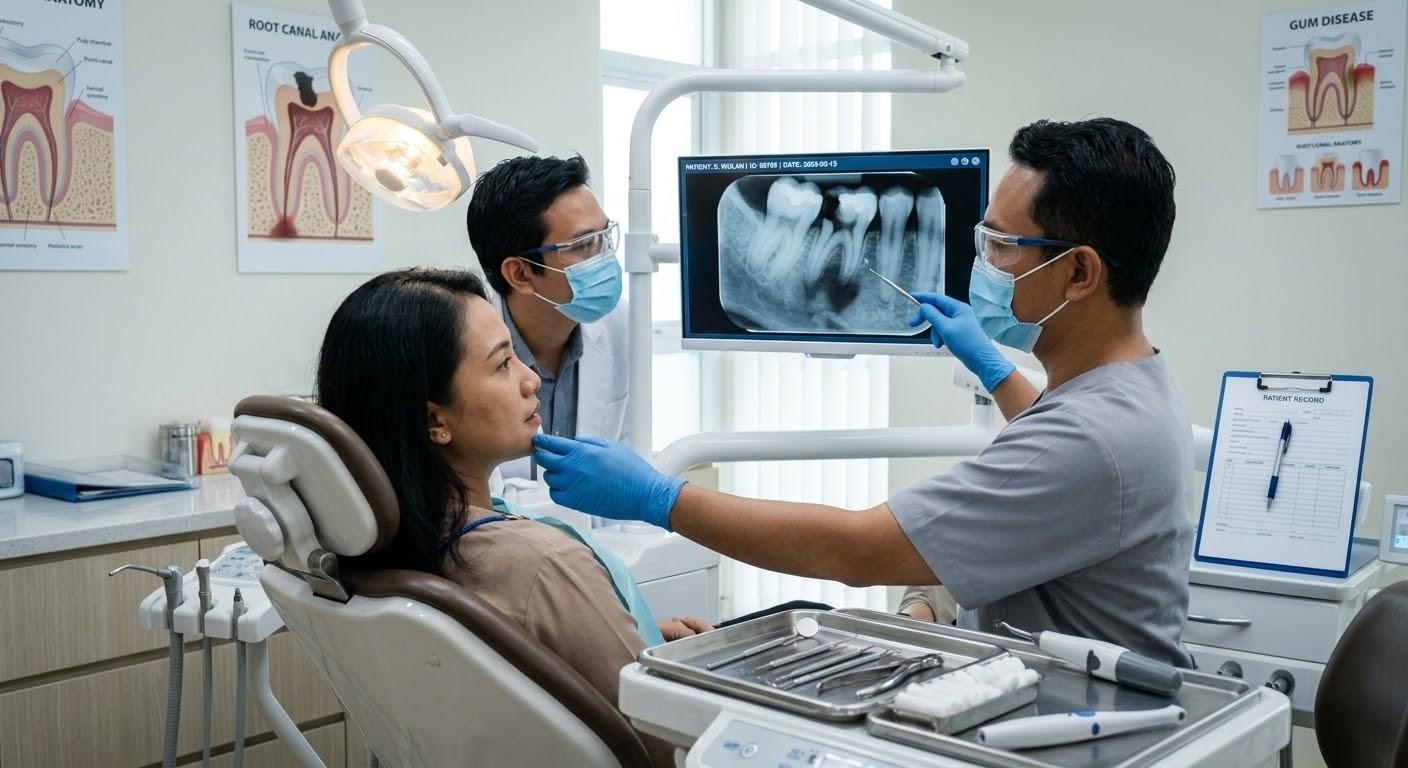
The words "root canal" have inspired dental anxiety for generations, yet this reputation is largely unearned in modern practice. Contemporary procedures are straightforward interventions designed to rescue teeth from extraction. Avoiding treatment never leads to spontaneous recovery—it only ensures that removal becomes your eventual fate.
Your body employs sophisticated signaling mechanisms to indicate distress. At the core of every tooth lies pulp tissue, a living network of nerves and blood vessels that maintains tooth vitality. When bacterial invasion or traumatic injury compromises this inner structure, root canal therapy becomes essential for preservation. Recognizing whether symptoms indicate superficial irritation or genuine pulp pathology requires understanding specific warning indicators.
Delaying care until pain becomes unbearable is unnecessary and counterproductive. Several distinct symptoms clearly signal when pulp health has seriously deteriorated. Here are five warning signs that should prompt you to visit a dentist at Clementi to discuss saving your natural tooth.
1. Temperature Sensitivity That Lingers Abnormally
Most individuals experience occasional sharp sensations from cold beverages or frozen treats. When these feelings disappear within moments, they typically indicate minor enamel thinning or slight gum recession—conditions that rarely require extensive treatment.
The clinically significant pattern emerges when sensitivity persists for extended durations. If hot coffee, cold air, or sweet foods trigger discomfort lasting many minutes—or even hours—your pulp nerve is clearly compromised. This prolonged response reveals that bacteria have penetrated through the protective enamel and dentin layers, reaching the pulp chamber itself. They typically gain entry through deep cavities or microscopic cracks. Once established, these organisms cause the nerve to react intensely to environmental stimuli. This symptom pattern is one of the most reliable predictors that root canal intervention will be necessary.
If you're experiencing this persistent sensitivity, contacting a dentist near Clementi promptly can prevent further progression of the infection.
2. Mechanical Pain During Mastication
Temporary fatigue after chewing dense or fibrous foods is entirely normal. Persistent discomfort specifically when applying biting pressure, however, indicates underlying pathology that demands attention. Many patients unconsciously shift to unilateral chewing, rationalizing the discomfort as muscular strain rather than dental disease.
As pulp tissue begins to necrotize, internal neural function deteriorates. Conversely, the periodontal ligament and surrounding alveolar bone maintain full sensory capacity. Infection accumulating at the root apex generates significant inflammation in the jawbone. Each bite transmits mechanical pressure to this compromised region, producing pain that may be sharp, dull, or throbbing. Unlike superficial cavities that respond to sugar exposure, this pressure-induced pain signifies structural compromise. The tooth has lost its ability to withstand normal functional forces. Professional intervention is required before mobility develops.
A qualified dentist at Clementi can perform simple diagnostic tests to determine if the pulp has died and whether root canal treatment is indicated.
3. Single-Tooth Color Changes
Generalized yellowing of the entire smile from coffee, tea, tobacco, or aging is expected and normal. When one isolated tooth turns gray, brown, or noticeably darker than its neighbors, however, internal damage is occurring that requires evaluation.
This discoloration happens when the blood supply to that specific tooth is interrupted. Just as a bruise darkens as blood cells break down, pigments from decomposing blood tissue stain the dentin layer beneath your enamel. This process may develop gradually, sometimes appearing months after a facial injury, sports accident, or deep chip. Importantly, you might experience no pain whatsoever, yet the darkened tooth signals non-vital pulp that needs professional assessment to prevent future abscess formation or fracture.
Regular examinations with a dentist near Clementi can identify these color changes early, often before infection spreads to surrounding structures.
4. Gingival Swelling or Drainage Lesions
Healthy gum tissue appears uniformly pink and feels firm and resilient. When you notice localized swelling or a small raised lesion resembling a pimple on your gum, your body is attempting to manage an active infectious process.
These bumps, called sinus tracts or parulis, form when your immune system creates a drainage pathway for pus originating from an infected tooth. Bacteria inside the root produce purulent material as they destroy tissue; your body responds by tunneling through bone to create an exit on the gum surface. Pressing on these lesions may release foul-tasting or malodorous fluid. In more advanced cases, swelling extends into the cheeks or jaw, and regional lymph nodes may become tender. While antibiotics might temporarily reduce symptoms, they cannot eliminate the infection source within the tooth itself.
Finding a dentist at Clementi who provides emergency care ensures you receive definitive treatment before the infection progresses to facial spaces or systemic circulation.
5. Visible Fractures or Deep Carious Lesions
Patients often recall specific incidents preceding their symptoms—perhaps biting down on an unexpected bone, or a restoration that finally failed after years of service. Any significant breach of the tooth's protective layers creates serious vulnerability to bacterial invasion.
Your oral environment contains millions of bacteria, many capable of causing disease if they reach the tooth's interior. A visible crack acts as a direct highway to the pulp chamber. If you can see or feel a fracture line—especially if your tongue detects a rough edge or step—the risk of pulp infection is substantial. Similarly, what appears to be a minor surface cavity may actually tunnel deep toward the pulp. Once bacteria reach this inner tissue, your body's defenses cannot clear the infection without professional intervention.
Establishing a relationship with a dentist near Clementi before emergencies occur means you'll have immediate access to care when urgent situations arise.
Taking Decisive Action
Recognizing these warning signs is essential, but acting on them is equally important. Dental infections follow a predictable course—they invariably worsen without treatment. What begins as a straightforward root canal can evolve into a complex surgical intervention if neglected too long.
For residents of the Clementi area, selecting the right dental professional makes a significant difference in your experience and outcome. You deserve a practitioner who takes time to understand your specific symptoms and explains your options thoroughly. If you're in the neighborhood, start by identifying a dentist at Clementi who maintains availability for urgent appointments. Being geographically close to your provider reduces stress and travel burden when you're experiencing discomfort.
Additionally, researching patient testimonials or seeking recommendations from friends and family helps you locate a trustworthy dentist near Clementi. Practices that are integrated into the community typically offer more personalized attention and better continuity of care. They guide you through necessary diagnostic imaging without making you feel rushed or pressured. The objective is accurate diagnosis leading to appropriate treatment, not hurried commitments.
Why Immediate Attention Matters
Many patients worry that root canal procedures are dangerous or extraordinarily painful. Modern dental anesthesia and techniques have made this treatment remarkably comfortable—most patients describe the experience as comparable to receiving a standard filling. The genuine danger lies in allowing the infection to persist and spread, potentially affecting adjacent teeth, jawbone integrity, or even your overall systemic health.
Preserving your natural tooth should always be the priority when possible. While modern prosthetics like implants and bridges offer replacement options, none perfectly replicate the function, sensation, and aesthetics of your own tooth. If you recognize any of these five warning signs in your mouth, schedule an examination without delay. You need not endure unnecessary suffering. Effective treatment begins with a simple conversation and comprehensive evaluation.

 English
 Arabic
 French
 Spanish
 Portuguese
 Deutsch
 Dutch
Dutch
 Italiano
 Russian
 Romaian
 Portuguese (Brazil)
 Greek
Greek