


Isolation Gown: A Complete Guide to Protection, Uses, Benefits, and Choosing the Right Medical Protective Wear
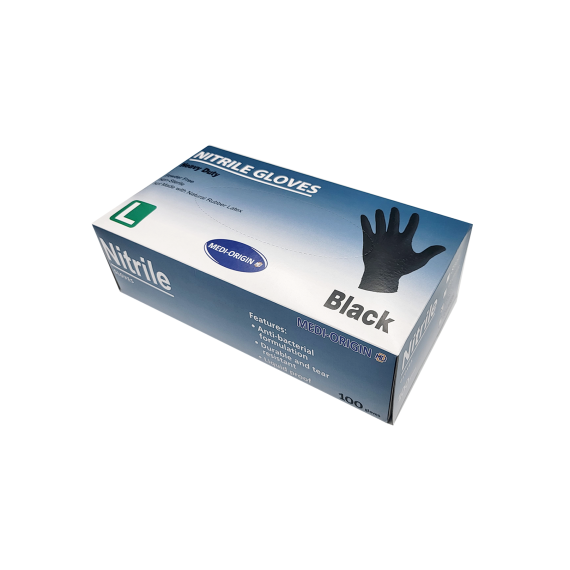
In healthcare environments, infection prevention and safety are essential for protecting medical professionals, patients, and visitors. Hospitals, clinics, laboratories, and healthcare facilities often deal with situations where exposure to infectious materials, bodily fluids, and contaminants is possible. Wearing the right protective equipment helps reduce these risks and supports a safer working environment.
An isolation gown is one of the most important types of personal protective equipment (PPE) used in healthcare settings. Designed to provide a protective barrier between the wearer and potential contaminants, isolation gowns help prevent the spread of infections during patient care and medical procedures.
From hospitals and emergency departments to laboratories and long-term care facilities, isolation gowns are widely used to protect healthcare workers during activities where exposure risks exist.
This complete guide explains what an isolation gown is, its importance, different types, materials, benefits, applications, how to choose the right gown, and frequently asked questions.
What Is an Isolation Gown?
An isolation gown is a protective garment worn by healthcare workers and professionals to reduce exposure to infectious materials, liquids, and contaminants.
It is designed to cover areas that may come into contact with harmful substances, including:
-
Arms
-
Front body area
-
Clothing
-
Skin
Isolation gowns are typically made from lightweight protective materials that provide a balance between protection, comfort, and mobility.
They are commonly used during:
-
Patient examinations
-
Medical procedures
-
Infection control situations
-
Laboratory work
-
Healthcare cleaning activities
The primary purpose of an isolation gown is to create a barrier that helps prevent contamination from reaching the wearer’s clothing or skin.
Why Are Isolation Gowns Important?
Healthcare workers frequently interact with patients who may carry infectious diseases. During medical care, exposure to fluids, droplets, and contaminated surfaces can occur.
An isolation gown helps reduce these risks by providing an additional protective layer.
The importance of isolation gowns includes:
-
Reducing infection transmission
-
Protecting healthcare workers
-
Supporting hygiene practices
-
Preventing contamination spread
-
Improving workplace safety
Isolation gowns are an important part of infection prevention protocols in many healthcare environments.
How Does an Isolation Gown Work?
An isolation gown works by creating a physical barrier between the wearer and external contaminants.
When healthcare workers perform tasks involving potential exposure, the gown helps prevent:
-
Fluids from reaching clothing
-
Contaminants transferring to skin
-
Microorganisms spreading between areas
The effectiveness of an isolation gown depends on factors such as:
-
Material quality
-
Coverage level
-
Design features
-
Proper usage
For maximum protection, isolation gowns should be worn correctly and removed according to healthcare safety procedures.
Benefits of Using Isolation Gowns
Protection Against Contamination
The main benefit of isolation gowns is reducing the risk of contamination.
Healthcare professionals may encounter:
-
Blood
-
Bodily fluids
-
Respiratory droplets
-
Infectious materials
An isolation gown provides an extra protective layer during these situations.
Supports Infection Control
Hospitals and healthcare facilities rely on protective equipment to control infection spread.
Isolation gowns help:
-
Reduce cross-contamination
-
Protect vulnerable patients
-
Maintain clean environments
-
Support safety protocols
They are especially important in areas where infection risks are higher.
Protects Clothing and Skin
Without protective clothing, contaminants may come into contact with personal clothing.
Isolation gowns help protect:
-
Uniforms
-
Scrubs
-
Arms
-
Front body areas
This reduces the chance of carrying contaminants outside controlled environments.
Comfortable and Lightweight Design
Modern isolation gowns are designed to provide protection without restricting movement.
Many gowns include:
-
Lightweight materials
-
Breathable fabrics
-
Flexible designs
-
Comfortable closures
This allows healthcare workers to perform tasks efficiently.
Disposable Convenience
Many isolation gowns are designed for single-use applications.
Disposable gowns provide advantages such as:
-
Reduced contamination risk
-
No laundering requirements
-
Easy replacement
-
Convenient storage
This makes them suitable for high-volume healthcare environments.
Types of Isolation Gowns
Isolation gowns are available in different styles and protection levels depending on workplace requirements.
Disposable Isolation Gowns
Disposable isolation gowns are widely used in healthcare settings where contamination control is important.
They are commonly made from:
-
Polypropylene
-
SMS fabric
-
Polyethylene-coated materials
Advantages include:
-
Easy disposal
-
Reduced contamination risk
-
Convenient use
-
Lightweight protection
Disposable gowns are commonly used in hospitals, clinics, and laboratories.
Reusable Isolation Gowns
Reusable isolation gowns are designed for multiple uses after proper cleaning and sterilisation.
They are usually made from durable fabrics that can withstand repeated washing.
Benefits include:
-
Long-term use
-
Reduced waste
-
Cost efficiency over time
However, they require proper maintenance and cleaning procedures.
Fluid-Resistant Isolation Gowns
Fluid-resistant gowns provide additional protection against liquid exposure.
They are suitable for environments involving:
-
Patient care
-
Medical procedures
-
Laboratory activities
These gowns help reduce exposure to splashes and fluid contamination.
Surgical Isolation Gowns
Surgical isolation gowns are designed for higher-risk medical procedures.
They generally provide:
-
Higher barrier protection
-
Better coverage
-
Stronger material performance
They are commonly used in operating rooms and surgical environments.
Materials Used in Isolation Gowns
The material used in an isolation gown affects its protection, comfort, and durability.
Polypropylene Isolation Gowns
Polypropylene is a commonly used material for disposable protective clothing.
Benefits include:
-
Lightweight structure
-
Breathability
-
Cost efficiency
-
Basic protection
It is suitable for general healthcare applications.
SMS Isolation Gowns
SMS stands for Spunbond-Meltblown-Spunbond.
This multi-layer material provides improved protection compared with basic nonwoven fabrics.
Advantages include:
-
Better fluid resistance
-
Stronger barrier protection
-
Comfortable wear
-
Breathability
SMS gowns are commonly used in medical and healthcare environments.
Polyethylene-Coated Isolation Gowns
These gowns include a protective coating that improves liquid resistance.
They are suitable for situations where exposure to fluids is more likely.
Benefits include:
-
Enhanced moisture protection
-
Improved durability
-
Better contamination control
Microporous Isolation Gowns
Microporous materials provide protection against liquids and particles while allowing some breathability.
They are often used in environments requiring stronger protective barriers.
Common Applications of Isolation Gowns
Isolation gowns are used across multiple industries and healthcare environments.
Hospitals and Medical Facilities
Hospitals are one of the largest users of isolation gowns.
Healthcare workers wear them during:
-
Patient examinations
-
Isolation procedures
-
Emergency care
-
Infection control activities
They help maintain safer healthcare environments.
Clinics and Outpatient Centres
Medical clinics use isolation gowns during patient interactions where contamination risks may exist.
Common uses include:
-
Patient assessments
-
Minor procedures
-
Testing activities
Laboratories
Laboratories often handle biological samples and potentially hazardous materials.
Isolation gowns help protect workers during:
-
Sample handling
-
Testing procedures
-
Research activities
Nursing Homes and Care Facilities
Long-term care facilities use isolation gowns to protect vulnerable populations.
They help reduce infection spread among:
-
Residents
-
Healthcare workers
-
Visitors
Pharmaceutical and Biotechnology Industries
Pharmaceutical facilities require strict contamination control.
Isolation gowns may be used during:
-
Research
-
Manufacturing processes
-
Quality testing
Isolation Gown Standards and Protection Levels
Different isolation gowns provide different levels of protection depending on their design and certification.
When selecting an isolation gown, organisations should consider:
-
Intended use
-
Exposure risk
-
Required barrier protection
-
Workplace regulations
Healthcare facilities should choose gowns that meet appropriate safety standards for their specific applications.
Isolation Gown vs Lab Coat: What Is the Difference?
Although isolation gowns and lab coats provide protection, they serve different purposes.
Isolation Gown
Isolation gowns are designed for:
-
Infection control
-
Fluid protection
-
Medical environments
-
Patient care situations
They generally provide more coverage and contamination protection.
Lab Coat
Lab coats are commonly used for:
-
Laboratory work
-
General protection
-
Chemical handling
-
Research activities
They are designed mainly to protect clothing rather than provide full infection control coverage.
The right choice depends on the work environment and level of risk.
How to Choose the Right Isolation Gown
Choosing the correct isolation gown requires evaluating workplace needs.
Consider the Protection Level
Different situations require different levels of protection.
Consider:
-
Type of exposure
-
Duration of use
-
Risk of fluid contact
-
Required coverage
Higher-risk environments require stronger protective materials.
Choose the Correct Size
Proper sizing improves comfort and protection.
A suitable isolation gown should:
-
Cover the front body area
-
Allow free movement
-
Fit comfortably over clothing
Poor fit can reduce effectiveness.
Evaluate Material Quality
Quality materials provide:
-
Better protection
-
Improved comfort
-
Increased durability
Choose gowns from reliable manufacturers with consistent quality standards.
Consider Closure Design
Isolation gowns may include:
-
Tie closures
-
Snap buttons
-
Elastic cuffs
-
Thumb loops
The right design depends on the application.
Consider Disposable or Reusable Options
Choose based on:
-
Frequency of use
-
Infection control requirements
-
Budget considerations
-
Environmental goals
Proper Use of Isolation Gowns
Correct usage is essential for effective protection.
Important practices include:
-
Wear the gown correctly before exposure
-
Ensure full coverage
-
Avoid touching contaminated surfaces unnecessarily
-
Remove gowns carefully after use
-
Dispose of or clean according to guidelines
Training healthcare workers on proper gown usage improves safety.
Storage and Management of Isolation Gowns
Healthcare facilities must manage gown supplies properly.
Good storage practices include:
-
Keeping gowns in clean, dry areas
-
Protecting packaging from damage
-
Checking inventory regularly
-
Monitoring expiration dates
Effective inventory management prevents shortages during high-demand situations.
Sustainability Considerations for Isolation Gowns
Disposable isolation gowns provide important safety benefits, but responsible waste management is important.
Healthcare organisations can improve sustainability by:
-
Choosing appropriate PPE usage
-
Following disposal guidelines
-
Selecting environmentally responsible options where possible
-
Managing medical waste correctly
Safety remains the priority while organisations work toward more sustainable practices.
Frequently Asked Questions About Isolation Gowns
What is an isolation gown used for?
An isolation gown is used to protect healthcare workers from exposure to infectious materials, bodily fluids, and contaminants during medical activities.
Are isolation gowns waterproof?
Some isolation gowns are water-resistant or fluid-resistant, but the level of protection depends on the material and design.
What materials are isolation gowns made from?
Common materials include polypropylene, SMS fabric, polyethylene-coated materials, and microporous fabrics.
Are isolation gowns disposable?
Many isolation gowns are disposable and designed for single-use applications, while others are reusable after proper cleaning.
What is the difference between an isolation gown and a surgical gown?
Surgical gowns are typically designed for higher-risk surgical procedures, while isolation gowns are used for general infection control and patient care.
How long can an isolation gown be worn?
Usage time depends on workplace guidelines, contamination risk, and the gown’s condition.
Can isolation gowns protect against viruses?
Isolation gowns help reduce exposure to infectious materials but should be used together with other PPE such as gloves, masks, and eye protection.
Where are isolation gowns used?
They are used in hospitals, clinics, laboratories, nursing homes, pharmaceutical facilities, and research environments.
How should disposable isolation gowns be disposed of?
Disposal depends on contamination level and workplace regulations. Healthcare facilities should follow proper medical waste procedures.
Final Thoughts
An isolation gown is a critical component of healthcare personal protective equipment, helping protect workers and patients from contamination risks. Whether used in hospitals, laboratories, clinics, or research facilities, isolation gowns provide an essential barrier against infectious materials and hazardous exposure.
Choosing the right isolation gown requires careful consideration of protection level, material quality, comfort, and workplace requirements. High-quality protective clothing supports better infection control practices and creates safer healthcare environments.
As healthcare standards continue to evolve, reliable isolation gowns will remain an important part of protecting professionals and maintaining safe medical operations worldwide.

 English
 Arabic
 French
 Portuguese
 Deutsch
 Turkish
 Dutch
Dutch
 Italiano
 Russian
 Romaian
 Portuguese (Brazil)
 Greek
Greek