Have you ever wondered why two gold buyers offer different prices for the same piece of gold? If you are planning to sell your old jewellery, gold coins, or bullion, understanding how gold buyers determine the value of your gold can help you get the best possible price.
Many people believe that gold buyers simply weigh the gold and make an offer. In reality, several factors affect your gold's value, including purity, weight, market prices, and the condition of your items. Knowing these factors will help you negotiate confidently and avoid accepting a low offer.
In this guide, we'll explain exactly how professional gold buyers calculate your gold's worth and what you can do to maximize your payout.
Why Understanding Gold Valuation Matters
Selling gold is often a once-in-a-while decision. Whether you're selling unwanted jewellery, inherited pieces, or investment gold, you want to receive a fair price.
Professional gold buyers use a transparent process to determine value. When you understand this process, you can:
- Know what your gold is worth.
- Compare offers from different buyers.
- Avoid dishonest buyers.
- Sell your gold with confidence.
The more informed you are, the easier it becomes to identify a trustworthy buyer.
The Main Factors Gold Buyers Use to Determine Value
1. Gold Purity (Karat)
The first thing gold buyers check is the purity of your gold.
Gold purity is measured in karats (K). The higher the karat, the more pure gold your item contains.
Common gold purities include:
| Gold Purity |
Percentage of Pure Gold |
| 24K |
99.9% |
| 22K |
91.6% |
| 18K |
75% |
| 14K |
58.5% |
| 10K |
41.7% |
| 9K |
37.5% |
Since pure gold has greater value, a 24K gold bar will usually be worth more than a 9K necklace of the same weight.
Professional gold buyers verify purity using specialized testing equipment instead of relying only on the stamp.
2. Gold Weight
Weight plays a major role in determining value.
Gold buyers usually weigh gold using precise digital scales. The weight is commonly measured in:
- Grams
- Troy ounces (for bullion)
- Kilograms (for large investments)
Even a small difference in weight can affect the final payout.
If your jewellery contains gemstones, the buyer may remove or subtract their weight before calculating the gold value.
3. Current Gold Market Price
One of the biggest factors is the live gold market price, also called the spot price.
The spot price changes throughout the day because of global market conditions.
Gold buyers regularly monitor these changes before making offers.
Factors affecting the spot price include:
- Global economic conditions
- Inflation
- Interest rates
- Currency values
- Investor demand
- Central bank purchases
- International events
When gold prices are high, sellers usually receive better offers.
4. Gold Testing Methods
Professional buyers never guess the purity.
Instead, they use reliable testing methods.
Electronic Gold Testers
These devices measure gold purity quickly without damaging the jewellery.
X-Ray Fluorescence (XRF)
Many reputable buyers use XRF machines because they provide highly accurate purity readings.
Acid Testing
Some buyers also perform acid tests to verify the metal composition.
Using several testing methods ensures accurate valuation.
5. Type of Gold Item
Not all gold products have the same resale value.
Gold buyers consider what type of item you are selling.
Examples include:
Gold Jewellery
Most jewellery is valued mainly for its gold content.
Designer or antique jewellery may have additional value.
Gold Coins
Some gold coins are worth more because of rarity and collector demand.
Gold Bullion
Bullion bars usually receive prices closest to the live market value because of their high purity.
Scrap Gold
Broken chains, damaged rings, and unwanted jewellery still have value because they contain gold.
Additional Factors That Influence Gold Value
Brand and Designer Value
Luxury jewellery brands sometimes carry additional value beyond the gold itself.
For example:
- Cartier
- Tiffany & Co.
- Bvlgari
- Van Cleef & Arpels
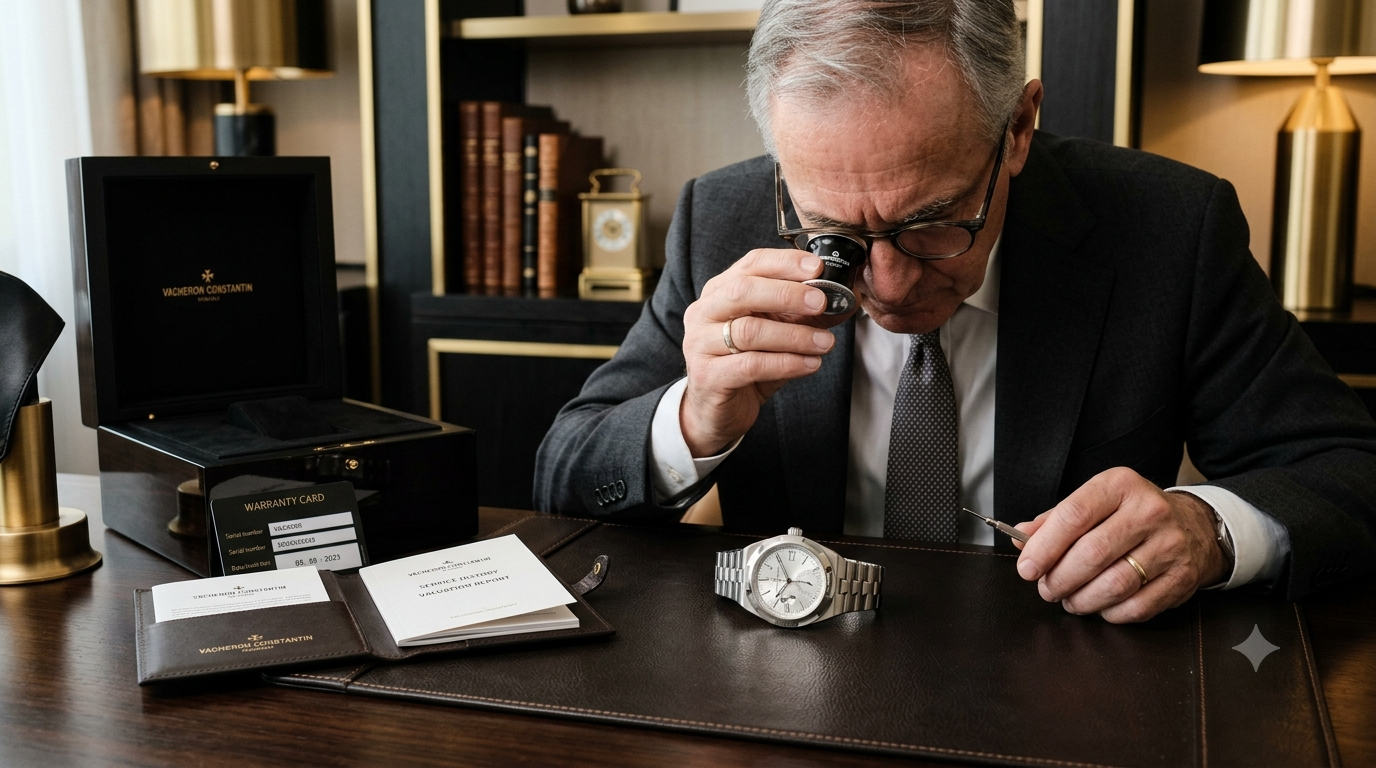
If your jewellery comes with original certificates and packaging, you may receive a better offer.
Condition of the Gold
Many people think damaged jewellery has no value.
Fortunately, that's not true.
Gold buyers usually purchase:
- Broken rings
- Bent bracelets
- Damaged necklaces
- Single earrings
- Old jewellery
Since gold is melted and refined, physical damage often has little impact on the gold value.
However, collectible items in excellent condition may command higher prices.
Hallmarks and Stamps
Hallmarks help buyers identify gold purity.
Common markings include:
These markings provide an initial indication of purity, but reputable buyers still perform independent testing.
Market Demand
Supply and demand also affect offers.
If demand for gold is strong, buyers may offer more competitive prices.
Demand often increases during:
- Economic uncertainty
- High inflation
- Global financial instability
How Gold Buyers Calculate Your Offer
The calculation is usually straightforward.
A simplified formula is:
Gold Weight × Gold Purity × Current Gold Price = Estimated Gold Value
Example:
Suppose you have:
- 40 grams
- 18K gold (75% pure)
- Current market rate based on pure gold
The buyer calculates the pure gold content before determining the offer.
Most buyers also deduct a small refining and operating cost before presenting the final payout.
Why Different Gold Buyers Offer Different Prices
Many sellers are surprised when they receive different offers.
This happens because each buyer has different:
- Business expenses
- Refining costs
- Profit margins
- Market strategies
- Customer demand
Some buyers specialize in jewellery.
Others specialize in bullion.
Comparing several quotes is one of the best ways to maximize your return.
How to Get the Best Price for Your Gold
Know Your Gold
Before visiting a buyer:
- Check the karat stamp.
- Separate different purity levels.
- Weigh your gold if possible.
Being prepared helps you understand the offer.
Monitor Gold Prices
Watch the live gold price before selling.
Selling when prices are strong can significantly increase your payout.
Visit Multiple Gold Buyers
Never accept the first offer without comparison.
Getting quotes from several reputable gold buyers allows you to identify the most competitive price.
Choose a Reputable Buyer
Look for buyers who:
- Explain their testing process
- Use certified weighing equipment
- Offer transparent pricing
- Have positive customer reviews
- Answer your questions honestly
Transparency is a good sign of a trustworthy business.
Bring Documentation
If available, bring:
- Purchase receipts
- Certificates of authenticity
- Original packaging
- Identification
These documents may help verify ownership and, in some cases, increase the value of branded or collectible items.
Common Mistakes to Avoid When Selling Gold
Avoid these common errors:
- Selling without knowing the current gold price.
- Accepting the first offer immediately.
- Not checking the gold purity.
- Ignoring buyer reviews.
- Forgetting to compare multiple quotes.
- Assuming broken jewellery has no value.
- Selling to unlicensed or untrustworthy buyers.
Taking a little extra time can result in a much better payout.
Frequently Asked Questions
Do gold buyers pay for gemstones?
Some buyers purchase gemstones separately, while others only pay for the gold content. Always ask how gemstones will be valued.
Is broken gold worth less?
Not necessarily. Most broken jewellery is valued based on its gold content rather than its appearance.
Does polishing increase gold value?
No. Cleaning or polishing generally does not increase the melt value of your gold, though it may help if the piece has collectible or resale value.
Should I remove gemstones before selling?
No. Let the buyer inspect the item first, as removing stones yourself could damage the jewellery.
Conclusion
Understanding how gold buyers determine the value of your gold puts you in a stronger position when it's time to sell. Professional buyers assess your gold based on purity, weight, the current market price, testing methods, and the type of gold item you own. They may also consider brand value, rarity, and overall market demand.
By learning how the valuation process works, comparing offers from multiple gold buyers, and staying informed about current gold prices, you can confidently sell your gold and maximize your return. Whether you're selling old jewellery, scrap gold, coins, or bullion, choosing a reputable buyer and understanding these key factors will help ensure you receive a fair and competitive price.




 English
 French
 Spanish
 Portuguese
 Deutsch
 Turkish
 Dutch
Dutch
 Italiano
 Russian
 Romaian
 Portuguese (Brazil)
 Greek
Greek