


Patient Lifter: A Complete Guide to Safe and Comfortable Patient Transfers
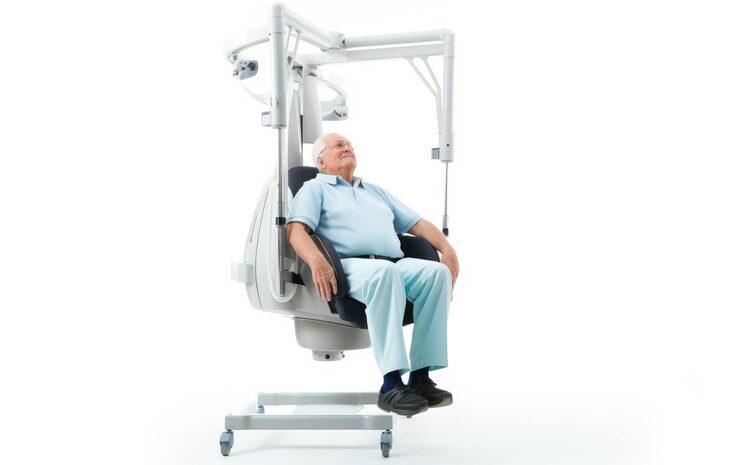
Moving individuals with limited mobility can be physically demanding and risky without the proper equipment. A patient lifter is an essential mobility aid designed to safely transfer patients between beds, wheelchairs, recliners, and bathrooms while minimizing strain on caregivers. Whether used in hospitals, nursing homes, or home care settings, a patient lifter improves safety, comfort, and independence. Choosing the right patient lifter can significantly reduce the risk of falls and injuries, making it a valuable investment for both patients and caregivers.
Why a Patient Lifter Is Essential
A patient lifter is specifically designed to assist individuals who cannot move independently due to age, injury, disability, or medical conditions. It helps caregivers perform transfers with greater ease while ensuring the patient's dignity and comfort.
Key Benefits Include:
-
Reduces the risk of caregiver back injuries.
-
Provides safe and secure patient transfers.
-
Improves patient comfort and confidence.
-
Supports individuals with limited mobility.
-
Increases efficiency in healthcare and home care environments.
Types of Patient Lifters
There are several types of patient lifting devices available, each designed to meet different mobility needs.
1. Manual Patient Lifters
-
Operated using a hydraulic pump.
-
Cost-effective and reliable.
-
Suitable for occasional transfers.
2. Electric Patient Lifters
-
Powered by rechargeable batteries.
-
Requires minimal physical effort.
-
Ideal for frequent patient transfers.
3. Ceiling-Mounted Lifters
-
Installed on ceiling tracks.
-
Saves floor space.
-
Commonly used in hospitals and rehabilitation centers.
4. Standing or Sit-to-Stand Lifters
-
Designed for patients with partial weight-bearing ability.
-
Encourages mobility and rehabilitation.
Understanding the Role of a Patient Hoist
The term patient hoist is often used interchangeably with patient lifter because both devices serve the same purpose of safely moving individuals with limited mobility. A patient hoist typically includes a sling and lifting mechanism that supports the patient during transfers. Whether manual or powered, these systems reduce physical strain on caregivers while ensuring safe positioning. Selecting the right patient hoist depends on the patient's mobility level, weight capacity, and the environment where it will be used.
How to Choose the Right Patient Lifter
Selecting the best equipment requires careful consideration. Follow these steps before making a purchase:
1. Evaluate Patient Needs
Consider:
-
Weight capacity
-
Mobility level
-
Medical condition
-
Frequency of transfers
2. Choose the Right Sling
Different slings are available for:
-
Full-body support
-
Toileting
-
Standing assistance
-
Bariatric patients
3. Consider the Environment
Ensure the lifter fits comfortably within:
-
Bedrooms
-
Bathrooms
-
Hallways
-
Care facilities
4. Check Safety Features
Look for:
-
Locking caster wheels
-
Emergency lowering function
-
Stable lifting frame
-
Adjustable base width
Best Practices for Safe Operation
To maximize safety and efficiency, follow these important guidelines:
-
Inspect the equipment before each use.
-
Position the sling correctly under the patient.
-
Lock wheelchair or bed brakes before transferring.
-
Lift the patient slowly and smoothly.
-
Never exceed the manufacturer's recommended weight limit.
-
Ensure caregivers receive proper training.
Maintenance Tips
Regular maintenance helps extend the lifespan of the equipment.
-
Clean the sling after recommended use.
-
Inspect straps and hooks for wear.
-
Recharge electric batteries regularly.
-
Lubricate moving components when required.
-
Schedule routine safety inspections.
Who Can Benefit from a Patient Lifter?
A patient lifter is beneficial for many individuals, including:
-
Elderly adults with reduced mobility.
-
Patients recovering from surgery.
-
Individuals with neurological disorders.
-
People living with disabilities.
-
Long-term care facility residents.
Caregivers also benefit by reducing physical fatigue and lowering the likelihood of workplace injuries.
Conclusion
A patient lifter is an indispensable mobility solution that promotes safe, efficient, and dignified patient transfers. From reducing caregiver strain to improving patient comfort, this equipment plays a critical role in modern healthcare and home care settings. By understanding the available options, selecting the right model, and following proper safety practices, families and healthcare professionals can create a safer environment for everyone involved. Investing in a high-quality patient lifting solution is ultimately an investment in comfort, independence, and long-term care quality.

 English
 Arabic
 French
 Spanish
 Portuguese
 Turkish
 Dutch
Dutch
 Italiano
 Russian
 Romaian
 Portuguese (Brazil)
 Greek
Greek