


Why Modular Wash Bases Are Changing the Way Businesses Approach Vehicle Cleaning
For businesses that rely on regular vehicle or equipment washing — from fleet operators to industrial facilities to agricultural businesses — the wash area is more than just a functional space. It's a critical part of daily operations, environmental compliance, and long-term equipment maintenance. Yet many businesses still rely on outdated, fixed wash infrastructure that's expensive to install, difficult to modify, and often poorly suited to their actual operational needs.
That's where modular wash bases and modular wash racks offer a smarter alternative. Designed for flexibility, durability, and efficient water management, these systems are reshaping how businesses think about vehicle and equipment cleaning infrastructure. Tecnoter Group specializes in exactly this kind of modular approach, helping businesses build wash systems that fit their operations rather than forcing operations to adapt to rigid, traditional infrastructure.
The Problem With Traditional Wash Infrastructure
Conventional wash bays are typically built using poured concrete, fixed drainage systems, and permanent structural elements. While this approach can work, it comes with real drawbacks:
- High upfront construction costs, often requiring extensive excavation and civil works
- Long installation timelines, which can delay operations for weeks or even months
- Limited flexibility, since modifying or relocating a fixed wash bay is costly and disruptive
- Environmental compliance challenges, particularly around wastewater containment and runoff management
- Difficulty scaling, especially for businesses that grow, relocate, or need temporary wash solutions
For businesses managing fleets, machinery, or industrial equipment, these limitations can create ongoing operational headaches — which is exactly the gap that modular wash systems are designed to fill.
What Are Modular Wash Bases?
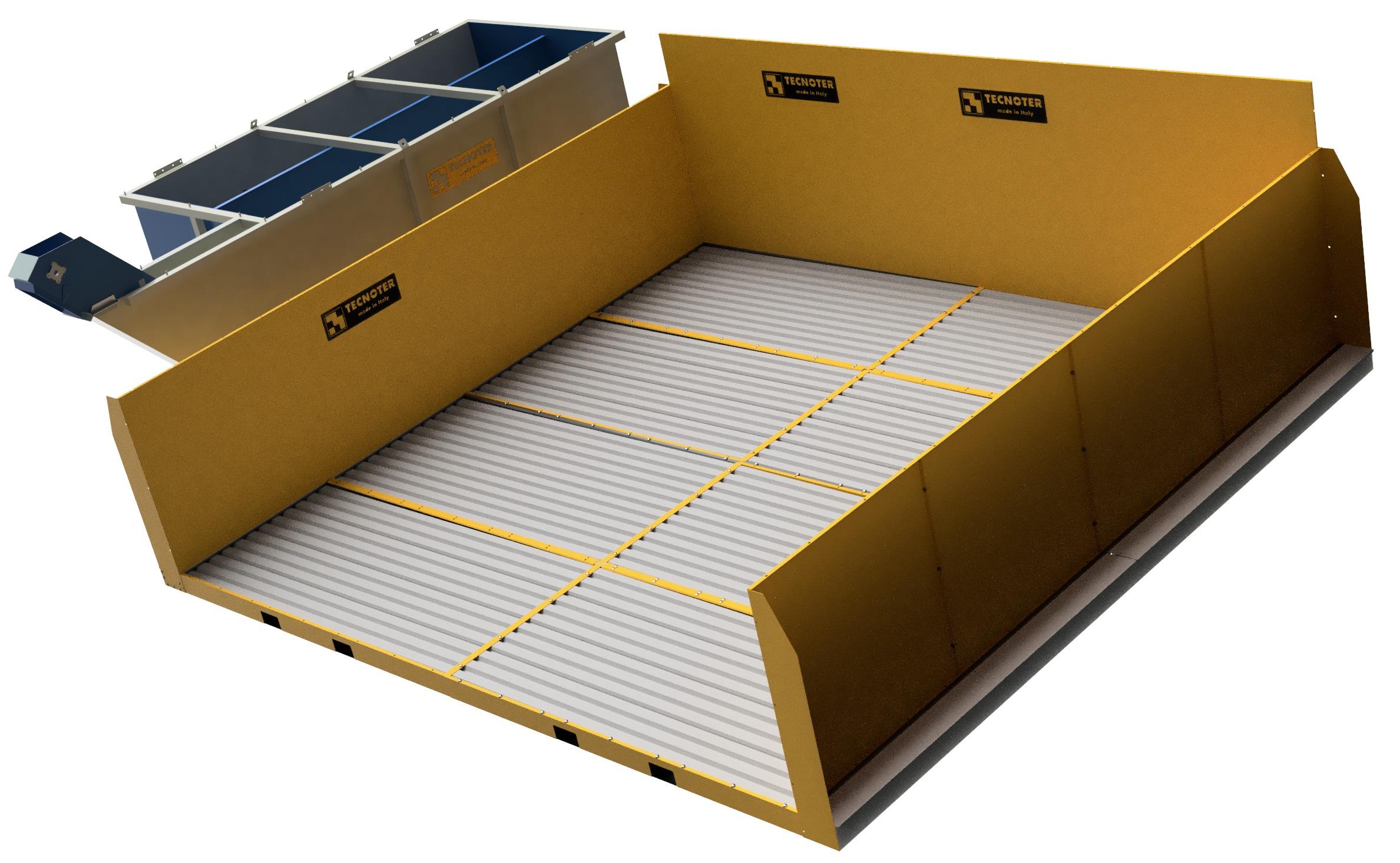
Modular wash bases are prefabricated, engineered platforms designed to contain wash water and runoff in a controlled, compliant manner — without the need for traditional concrete construction. Instead of pouring a permanent structure on-site, modular bases are manufactured off-site and installed as complete, ready-to-use systems.
Key advantages of modular wash bases include:
- Faster installation, often completed in a fraction of the time of traditional builds
- Effective containment and drainage, helping businesses manage wastewater responsibly
- Durable construction designed to handle heavy vehicle and equipment traffic
- Easier compliance with environmental regulations around runoff and contaminant control
- Reduced site disruption, since installation doesn't require the same level of excavation and civil work
For industries where downtime is costly, the ability to install a fully functional wash base quickly — without months of construction — is a major operational advantage.
The Role of Modular Wash Racks
While wash bases focus on containment and drainage, modular wash racks provide the structural framework that supports the actual washing process — including vehicle positioning, water runoff channeling, and structural support for wash equipment like pressure systems or wash bays for larger vehicles and machinery.
Modular wash racks are particularly valuable for:
- Fleet operators needing consistent, repeatable wash stations
- Agricultural and industrial businesses cleaning heavy equipment
- Facilities with variable or growing wash volume needs
- Businesses requiring temporary or relocatable wash infrastructure
- Sites where fast deployment is a priority
Because these systems are modular by design, they can often be reconfigured, expanded, or relocated as a business's needs change — something traditional fixed infrastructure simply can't offer.
Why Businesses Are Making the Switch
Beyond speed and flexibility, modular wash systems often provide better long-term value. Businesses avoid the heavy upfront capital costs of traditional construction, reduce the risk of environmental compliance issues, and gain infrastructure that can adapt as their operations evolve. For companies managing multiple locations or planning future expansion, that adaptability can be a significant strategic advantage.
Tecnoter Group works with businesses to design and implement modular wash base and wash rack systems suited to their specific operational needs — whether that's a single-site fleet wash station or a larger, multi-location infrastructure rollout.
Building Smarter Wash Infrastructure
As businesses continue to look for more efficient, compliant, and adaptable solutions, modular wash systems are increasingly becoming the standard rather than the exception. They offer a faster, more flexible path to reliable vehicle and equipment cleaning infrastructure — without the long timelines and rigid limitations of traditional construction.
To learn more about modular wash bases, modular wash racks, and how they might fit your operation, visit tecnotergroup.com.
Frequently Asked Questions (FAQ)
1. What's the difference between a modular wash base and a modular wash rack? A modular wash base primarily handles containment and drainage of wash water, while a wash rack provides the structural framework that supports the vehicle washing process itself. The two often work together as part of a complete wash system.
2. How much faster is a modular wash system to install compared to traditional construction? Installation timelines vary by project, but modular systems are generally significantly faster than traditional poured-concrete builds, since much of the construction happens off-site before installation.
3. Are modular wash systems suitable for heavy equipment and industrial vehicles? Yes. Modular wash bases and racks are typically engineered to handle heavy traffic and equipment loads, making them suitable for industrial, agricultural, and fleet applications.
4. Can modular wash systems help with environmental compliance? Yes. Properly designed modular wash bases are built to contain and manage wastewater runoff, helping businesses meet environmental regulations around contaminant control.
5. Can a modular wash system be relocated or expanded later? One of the key benefits of modular systems is their flexibility — many can be reconfigured, expanded, or relocated as a business's operational needs change over time.
6. How do I get started with a modular wash system from Tecnoter Group? You can visit tecnotergroup.com to learn more about available systems and get in touch to discuss your specific requirements.

 English
 Arabic
 Spanish
 Portuguese
 Deutsch
 Turkish
 Dutch
Dutch
 Italiano
 Russian
 Romaian
 Portuguese (Brazil)
 Greek
Greek