


YG-1 Vulcanizing Agent: Regulatory Compliance in a Changing Chemical Landscape
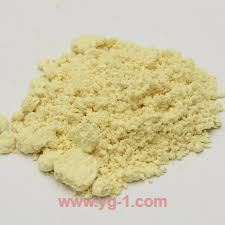
The rubber industry faces a quiet transformation driven by health regulations concerning nitrosamine formation during vulcanization. Nitrosamines, classified as potential carcinogens, can arise from certain Vulcanizing Agent systems, particularly those using secondary amine-based accelerators. This regulatory pressure has compelled chemical manufacturers to re-evaluate formulations and production protocols. The challenge lies in maintaining the crosslinking efficiency essential for rubber performance while eliminating nitrosamine precursors from the system. How does the modern chemical manufacturer, such as yg-1, reconcile these competing demands of safety and functionality?
The primary strategy for nitrosamine reduction involves replacing traditional accelerators with safer alternatives. Nitrosamines typically form when secondary amines react with nitrosating agents present in the rubber compound or processing environment. Manufacturers now offer Vulcanizing Agent packages that incorporate primary amine or guanidine-based accelerators, which show a lower propensity for nitrosamine generation. Thiocarbamyl sulfenamides and certain thiuram derivatives with modified chemical structures also provide effective crosslinking with reduced nitrosamine formation potential. These alternatives require careful reformulation to achieve equivalent cure rates and physical properties, necessitating extensive testing and validation.
Process optimization represents another critical avenue for regulatory compliance. Even with compatible raw materials, improper processing conditions can promote nitrosamine formation. Manufacturers work closely with rubber processors to establish parameters that minimize exposure to nitrosating agents, such as nitrogen oxides, during mixing, storage, and curing. Temperature control, ventilation, and the sequence of ingredient addition can all influence the final nitrosamine content of the vulcanized product. Comprehensive training programs for rubber compounders ensure that the low-nitrosamine potential of the Vulcanizing Agent is fully realized in practice.
The regulatory landscape itself continues to evolve, with different regions adopting varying standards and testing methods. Europe has been particularly proactive, with the German TRGS 552 guideline and REACH regulations setting benchmarks that influence global practices. The FDA and other regulatory bodies in North America and Asia have followed with their own guidelines, creating a complex compliance environment for multinational manufacturers. A Vulcanizing Agent supplier must maintain close monitoring of these regulatory developments to ensure their products remain acceptable across multiple jurisdictions.
Analytical capabilities have become a cornerstone of compliance efforts. Accurate quantification of nitrosamine levels in both the Vulcanizing Agent and the final rubber product requires sophisticated instrumentation, such as gas chromatography coupled with thermal energy analysis or mass spectrometry. Manufacturers invest in these analytical resources to verify their products meet specified limits and to support customer validation processes. Providing this testing service builds trust with downstream users who increasingly require documented compliance data for their own regulatory submissions.
The transition to low-nitrosamine Vulcanizing Agent systems is not without technical hurdles. Alternative accelerators may exhibit different scorch characteristics, cure kinetics, or final physical properties compared to traditional materials. Manufacturers invest significant research effort to develop optimized systems that deliver the required processing safety and end-use performance. The resulting products often offer broader processing windows or enhanced heat resistance, providing additional value beyond regulatory compliance.
For rubber processors, partnering with a knowledgeable chemical supplier becomes essential for navigating this complex landscape. A manufacturer that understands both the chemistry of Vulcanizing Agent and the practical demands of rubber processing can offer technical support that accelerates successful formulation transitions. This support may include laboratory-scale testing assistance, troubleshooting of production issues, and guidance on quality control procedures. For those seeking a deeper understanding of the available options, the detailed technical overview at https://www.yg-1.com/ provides a foundational reference for evaluating different types and their suitability for specific applications.

 English
 Arabic
 French
 Spanish
 Portuguese
 Deutsch
 Turkish
 Dutch
Dutch
 Italiano
 Russian
 Romaian
 Portuguese (Brazil)