


Himalayan Rock Salt Suppliers in Pakistan for Food and Wellness Brands
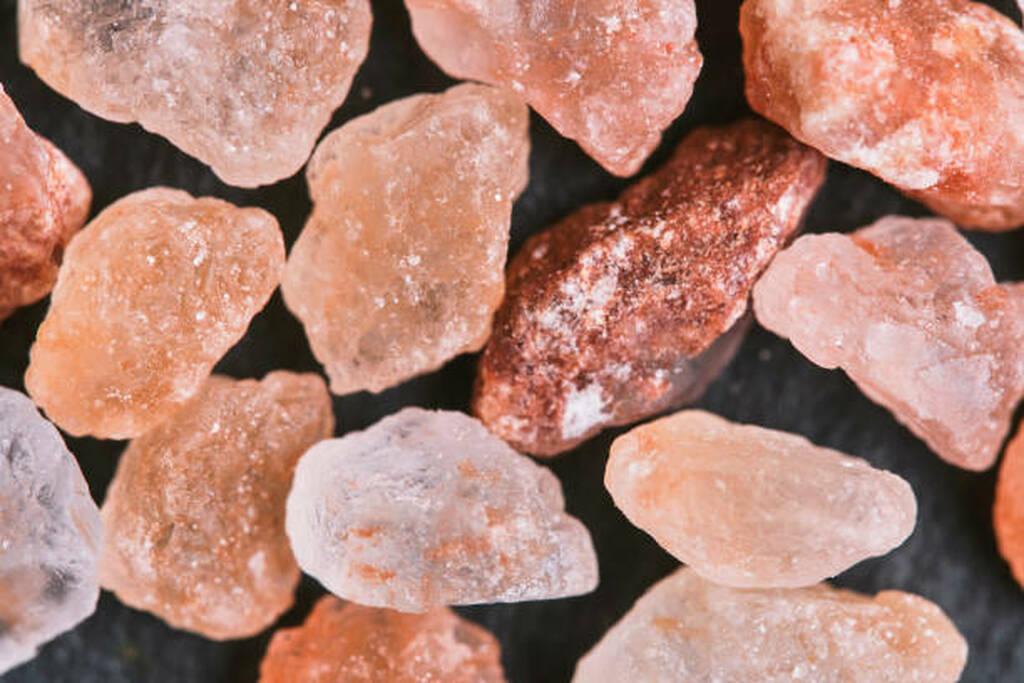
If you've ever picked up a bag of pink salt at a grocery store or spotted a chunky salt lamp glowing on someone's nightstand, there's a good chance it started its journey in the Punjab region of Pakistan. Himalayan rock salt has become one of the most recognizable natural products in the world, prized for its mineral-rich color, versatility, and clean, unprocessed image. Behind every one of those products, though, is a supply chain that starts deep underground and ends on a shelf somewhere thousands of miles away.
For food companies, spa brands, and wellness businesses looking to source this pink-hued mineral, understanding how sourcing actually works matters just as much as knowing what the product looks like. This post walks through what buyers should know about the supply chain, how quality and sourcing practices vary, and what separates a dependable partner from a risky one.
Where Himalayan Rock Salt Actually Comes From
Despite the name, Himalayan rock salt isn't mined in the Himalayas themselves. It comes primarily from the Khewra Salt Mine in the Punjab province of Pakistan, part of the Salt Range that formed millions of years ago when an ancient sea evaporated and left behind massive mineral deposits. Khewra is one of the largest salt mines in the world, and it has been in continuous operation for centuries, making it a cornerstone of the country's mineral export economy.
The pink and reddish tones that make this salt so recognizable come from trace minerals like iron oxide, embedded in the rock over geological time. This is also why the product is marketed heavily in food, spa, and home decor categories — the color and mineral content give it a distinct identity that plain table salt doesn't have.
The Mining and Extraction Process
Salt extraction at these deposits generally involves a mix of manual and mechanized mining techniques, since the tunnels and chambers have historical significance and are often carefully preserved. Large blocks of salt are cut from the rock face, then transported out of the mine for further processing. From there, the raw stone is typically crushed, sorted by size and color grade, and prepared for its next stage — whether that's fine culinary salt, coarse cooking blocks, bath salt granules, or decorative lamp chunks.
Because the raw material comes directly from a single geological source, much of what determines final product quality happens after extraction, during processing, grading, and packaging.
Common Product Grades and Uses
Not all rock salt leaving the region is destined for the same purpose. Buyers in food and wellness industries usually encounter a few standard categories:
-
Culinary grade – finely ground or milled salt intended for cooking, seasoning, and table use
-
Coarse or block salt – used for cooking slabs, grinders, or specialty presentations
-
Bath and spa granules – coarser, unrefined crystals marketed for soaking and relaxation products
-
Decorative and lamp-grade chunks – larger, less uniform pieces valued for their color and shape rather than purity
Each grade has different quality benchmarks, and buyers sourcing for food-safe applications need to pay close attention to how a batch was processed, not just where it came from.
What Food and Wellness Brands Should Look for When Sourcing
Because Himalayan rock salt sits at the intersection of two very different industries — food production and personal wellness — the sourcing standards can vary widely depending on the intended end use. A batch destined for a spa product line doesn't need the same certifications as one going into a food seasoning blend, but both benefit from transparency about how the material was handled.
Purity, Testing, and Certification
For food-grade applications, third-party lab testing is one of the most important things to verify. This typically includes checks for heavy metals, microbial contamination, and mineral composition, along with documentation proving the salt meets food safety standards in the destination country. Wellness and cosmetic-grade salt has more flexibility, but buyers still benefit from knowing the material hasn't been contaminated during mining, crushing, or storage.
Reputable operations in the region are generally able to provide certificates of analysis, health and safety documentation, and information about their processing facilities upon request. If a supplier can't produce this kind of documentation, it's worth treating that as a red flag rather than a formality to skip.
Packaging, Traceability, and Export Readiness
Export-ready operations usually offer a range of packaging formats — bulk bags for industrial buyers, smaller retail-ready pouches for consumer brands, and custom packaging options for private label products. Traceability matters here too: knowing which mine or processing facility a batch came from, and having a paper trail from extraction to shipment, gives buyers more confidence that what they're ordering matches what arrives.
Shipping logistics are another practical factor. Since the material is heavy and dense, freight costs can significantly affect total landed price, so buyers often negotiate based on container volume rather than small trial orders, especially once a working relationship is established.
Evaluating and Building Relationships With Suppliers
Sourcing raw minerals internationally is different from ordering finished consumer goods. It usually involves direct communication with exporters, sometimes through trade platforms, industry directories, or referrals from other buyers already active in the space. Because Himalayan rock salt suppliers in Pakistan range from small family-run operations to larger industrial exporters, the vetting process matters just as much as the product specifications themselves.
Questions Worth Asking Before Committing to an Order
Before placing a bulk order, it helps to ask about mining location, processing methods, average turnaround times, minimum order quantities, and whether samples are available for testing. It's also reasonable to ask about export history — how long the operation has been shipping internationally, and to which markets — since that track record often correlates with smoother logistics and fewer surprises at customs.
Payment terms, communication responsiveness, and willingness to share documentation are all practical signals of how a working relationship might go long-term. Buyers who are new to importing raw minerals often benefit from starting with a smaller trial shipment before scaling up to larger, recurring orders.
Why Long-Term Relationships Tend to Work Better
Because the pricing, quality, and availability of raw rock salt can fluctuate with mining conditions and global demand, many food and wellness brands find that consistency comes from building an ongoing relationship rather than shopping for the lowest quote each time. A supplier who understands a buyer's specific grading, packaging, and testing requirements can often catch issues before they become problems, which matters more over time than a slightly better price on a single shipment.
For brands evaluating Himalayan rock salt suppliers in Pakistan, it's worth remembering that this is a raw material tied to a specific geological region, not a generic commodity. That means due diligence around sourcing practices, documentation, and communication tends to pay off far more than chasing the cheapest available quote.
Final Thoughts
Himalayan rock salt has earned its popularity for good reason — it's a genuinely distinctive natural product with a fascinating origin story. But turning that raw mineral into a reliable ingredient or finished product depends heavily on the sourcing decisions made along the way. Whether a brand is looking for culinary-grade salt, spa granules, or bulk material for private labeling, understanding the mining process, quality standards, and supplier vetting steps covered here should make it easier to navigate this niche but growing corner of the natural products industry. Working with established Himalayan rock salt suppliers in Pakistan who can document their processes and provide consistent, tested material remains the clearest path to a dependable, long-term sourcing strategy.

 English
 Arabic
 French
 Spanish
 Portuguese
 Deutsch
 Turkish
 Dutch
Dutch
 Italiano
 Romaian
 Portuguese (Brazil)
 Greek
Greek