


Poas Volcano Costa Rica: The Essential Guide
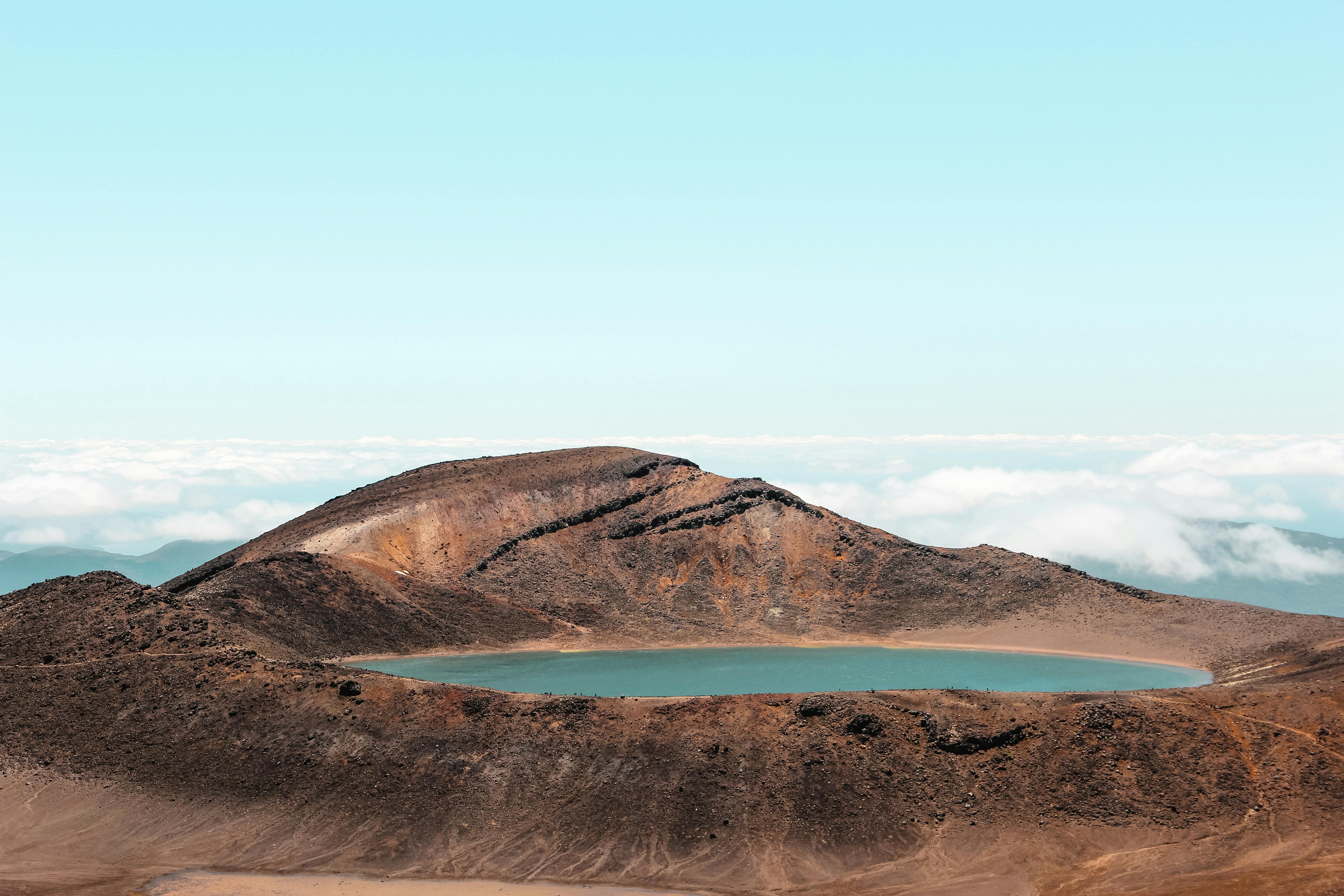
Poas volcano national park safety alert There are plenty of natural wonders spread across Costa Rica, but Poas Volcano Costa Rica holds a special place on the list that very few other attractions can match. It offers something genuinely rare: direct access to one of the most active volcanic craters in the world, from a well-maintained trail that most visitors can handle without any serious hiking experience. That combination of accessibility and raw natural drama is hard to find anywhere else.
The main crater at Poas is one of the largest active craters on the planet, stretching roughly a mile across. Inside sits a highly acidic lake that shifts between turquoise, gray, and greenish tones depending on current volcanic activity. On clear mornings, standing at the rim and looking down into that crater is the kind of moment that stays with you. It genuinely doesn't look real, which is a phrase you'll hear from a lot of visitors trying to describe it afterward.
Beyond the crater itself, the park sits inside a cloud forest ecosystem that adds its own layer of beauty to the experience. The trails pass through dense vegetation draped in mosses and ferns, and the air at nearly 9,000 feet feels noticeably crisp and cool compared to the warmth of San Jose down in the valley. Wildlife sightings including resplendent quetzals, hummingbirds, and coatis are not uncommon for observant visitors.
The park is also remarkably close to San Jose by Costa Rican standards, making it one of the few world-class natural attractions that works as a legitimate day trip from the capital without requiring an early departure or a punishing drive. That convenience factor matters a lot when you're building a travel itinerary.
Getting There from Major Destinations
Poas Volcano Costa Rica is most commonly visited as a day trip from San Jose, and the drive is genuinely straightforward for anyone comfortable behind the wheel. From the capital, you head northwest through Alajuela, then up into the central highlands through coffee-growing towns and increasingly dramatic mountain scenery. The total drive is roughly 37 miles and takes about an hour under normal conditions, though the last stretch of road is winding and uphill enough that you want to take it at a comfortable pace.
Renting a car is the most flexible option and gives you full control over your timing, which matters a lot at Poas since arriving early for the best crater views is genuinely important. Rental agencies at Juan Santamaria International Airport in Alajuela are convenient and well-stocked with a range of vehicle options. A standard sedan handles the road to Poas just fine, though an SUV offers a more comfortable ride on the curves.
If you'd rather not drive, shared shuttle services run from San Jose and Alajuela toward the Poas area and can be booked through most hotels and tour agencies in the city. These are affordable and take the navigation stress off your plate entirely. Organized guided tours are another solid option and many of them depart from San Jose hotels in the early morning, which aligns perfectly with the early arrival strategy that makes a big difference in crater visibility.
Public buses do serve the Poas area, departing from the Alajuela central market on weekend mornings. They're very affordable but operate on a fixed schedule that limits your flexibility, so they work better for budget travelers with plenty of time than for visitors trying to optimize a single day.
From the Arenal or La Fortuna area, the drive to Poas takes about two and a half to three hours, making a combined Arenal and Poas itinerary better suited to a multi-day trip than a single day.
What to Expect at the Crater Overlook
First-time visitors to Poas Volcano Costa Rica are sometimes surprised by how the crater overlook experience actually works. It's not a casual walk to a distant viewpoint where you peer at something small on the horizon. You walk up a short paved trail from the visitor center and then you're standing directly at the rim of the active crater, looking straight down into it. The scale of it hits differently than photos suggest.
The viewing platform area has guardrails and clear safety signage, and rangers are present to manage visitor flow and enforce viewing time limits when conditions require it. Depending on current volcanic activity, visitors may be asked to limit their time at the rim, and on certain days access to the viewpoint can be restricted entirely for safety reasons.
Checking the current Poas Volcano National Park safety alert before your visit is genuinely important and not just a formality. Poas is an active volcano that has gone through periods of elevated activity including phreatic eruptions, and the park management team takes those advisories seriously. The SINAC website and the Costa Rica Tourism Board both publish current status updates that take about two minutes to check and can save you from making a wasted trip.
The visitor center near the trailhead has restroom facilities, informational exhibits about the volcano's geology and history, and covered areas to wait if clouds roll in temporarily. Bilingual signage throughout the park makes navigation easy for English-speaking visitors.
Best Nearby Restaurants and Cafes
One of the underrated parts of visiting Poas Volcano Costa Rica is the food and coffee culture of the surrounding area. The road up to the park passes through some of the most productive coffee-growing land in the entire country, and several farms along the route offer tastings and short tours. A fresh cup of Costa Rican coffee with views of the central highlands is a very solid way to start a volcano morning.
The town of Poasito, located a few kilometers below the park entrance, has a handful of local sodas that serve classic Costa Rican breakfast and lunch plates. Gallo pinto, which is the national dish of seasoned rice and black beans, served alongside eggs and fresh fruit makes for a filling and affordable meal before or after your hike. Expect to pay between $7 and $12 per person at these casual spots, which is reasonable by any standard.
La Providencia Eco-Lodge sits near the park and offers a more sit-down dining experience with views of the surrounding forest. It's a popular stop for tour groups and independent visitors alike, and the food quality is a clear step above the roadside soda options.
Further down the mountain in the town of Vara Blanca, there are a few additional restaurant options that benefit from the same stunning landscape without the higher elevation chill. Vara Blanca is also the jumping-off point for the road east toward La Paz Waterfall Gardens, so if you're combining a waterfall stop with your volcano visit, there are food options conveniently placed between the two.
How to Make Your Booking Step by Step
Booking your visit to Poas Volcano Costa Rica requires a bit of advance planning since the park uses a mandatory reservation system with no walk-in option at the gate. Here is exactly how to do it without any confusion.
Go to the official SINAC website and navigate to the national park reservations section. The site offers an English language option which makes the process manageable for American travelers. Select Poas Volcano National Park from the list of parks, choose your preferred visit date, and then select an available entry time slot. Time slots are limited and assigned to specific windows throughout the morning and early afternoon.
Enter the number of visitors in your group and fill in the required personal information for the primary contact on the booking. Payment is completed online by credit card, and major cards including Visa and Mastercard are accepted. Once payment goes through, you'll receive a confirmation email with your booking details and entry time.
Save that confirmation email and have it accessible on your phone on the day of your visit. Cell service on the mountain road can be spotty, so downloading the confirmation as a PDF or taking a screenshot before you leave your hotel is smart preparation. Rangers at the entrance will check your reservation and a valid photo ID before allowing entry, so have both ready.
Book as early as possible, especially for weekend dates or visits during peak travel season between December and April. Slots fill up weeks in advance during busy periods.
Rainy Season Tips for Crater Visibility
Visiting Poas Volcano Costa Rica during rainy season, which runs roughly from May through November, requires some adjusted expectations but absolutely should not discourage you from going. The experience is different, not worse, and with the right approach you can still have a genuinely rewarding visit.
The most important strategy is arriving as early as possible. Even during rainy season, mornings at Poas tend to be clearer before the cloud buildup and afternoon rain pattern takes over. Arriving by 8 AM consistently gives visitors the best window for crater views. Waiting until 10 or 11 AM on a rainy season day significantly increases the chance that the crater will be socked in with cloud cover by the time you reach the rim.
Check weather forecasts for the Alajuela highlands the night before your visit. While Costa Rican mountain weather is famously unpredictable, a forecast showing clear or partly cloudy morning conditions is a good sign. Heavy overnight rain followed by a clearing trend often produces dramatic and beautiful conditions at the crater in the early morning hours.
The cloud forest surrounding the crater is at its most lush and vivid during rainy season, which makes the Botos Lagoon trail a genuinely stunning walk even when crater views are limited. Bring a quality rain jacket since afternoon showers are reliable during these months, and waterproof bags or covers for cameras and electronics are worth the small investment. Rainy season also means significantly fewer visitors overall, which makes for a quieter and more personal experience on the trails.
https://www.travelosei.com/hello-india/poas-volcano-national-park-safety-alert
FAQs
How far is Poas Volcano Costa Rica from San Jose?
The drive from San Jose to the park entrance is roughly 37 miles and takes about an hour, making it one of the most accessible volcano day trips from the capital.
Do I need a reservation to visit Poas?
Yes, advance reservations are mandatory and must be made through the official SINAC online portal. There is no walk-in option at the gate.
What is the best time of day to visit for clear crater views?
Arriving by 8 AM gives you the best chance of clear conditions before cloud cover builds up over the crater, which typically happens by mid-morning.
Is Poas Volcano Costa Rica suitable for children?
Yes, the main crater trail is a paved and relatively short walk that most children handle comfortably. Layered clothing is recommended since temperatures at the summit are cool.
What should I do if the park is closed due to volcanic activity?
Contact your tour operator or check the SINAC website for updates. Reputable operators will assist with rescheduling, and SINAC sometimes offers rebooking options depending on the circumstances.

 English
 Arabic
 French
 Spanish
 Portuguese
 Deutsch
 Turkish
 Dutch
Dutch
 Russian
 Romaian
 Portuguese (Brazil)
 Greek
Greek