


Comprehensive Guide to Residential & Commercial Roofing Services in Long Island, NY
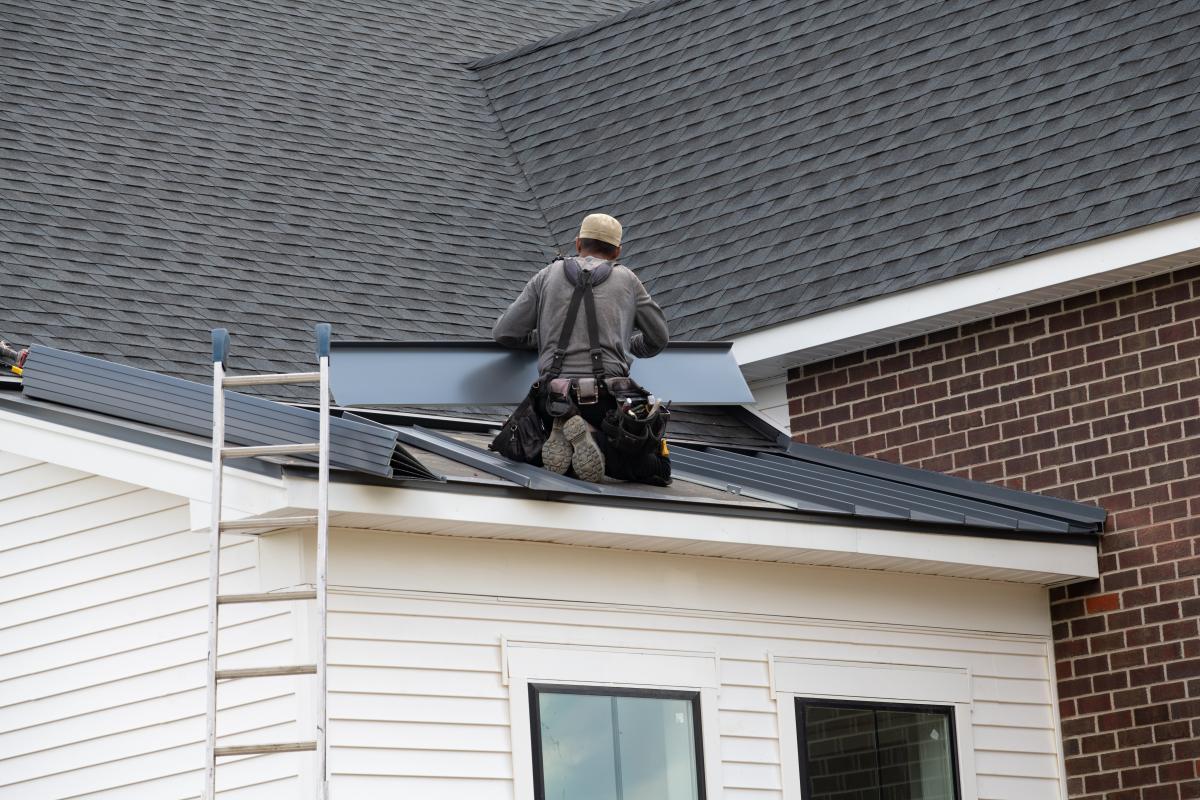
Long Island, New York presents a uniquely challenging climate environment for residential homes and commercial properties alike. Stretching over 100 miles from the dense suburban communities of Nassau County out to the coastal estates of Suffolk County, local structures are exposed to a relentless combination of environmental pressures. Throughout the year, properties contend with high coastal humidity, salt-laden marine air, severe freeze-thaw cycles during winter, and gale-force tropical storm winds during the Atlantic hurricane season. Over time, these combined atmospheric forces degrade surface materials, weaken underlayment moisture barriers, accelerate structural wear, and test the integrity of every roofline across the region.
Maintaining a secure, weather-resistant roofing system is vital for preserving long-term property value, safeguarding indoor air quality, and protecting the structural envelope of your building. Partnering with certified, locally experienced specialists like Roofing Services in Long Island ensures your roofing system is engineered with high-grade materials, properly ventilated, and installed to withstand Long Island’s unpredictable weather patterns.
The Structural Mechanics of a Coastal Long Island Roofing System
A high-performance roof is far more than a simple layer of outer shingles; it is a complex, multi-layered system designed to shed water, regulate thermal transfer, and withstand high wind uplift pressures. When any single component fails, the structural integrity of the entire building is compromised.
1. Primary Weather Barrier
The outermost surface serves as your property's primary line of defense against driving rain, hail, UV radiation, and heavy snow. Depending on the pitch and architectural style of the building, this layer typically consists of heavy-duty dimensional asphalt shingles, standing-seam metal panels, or specialized single-ply rubber membranes like TPO and EPDM.
2. High-Temperature Ice & Water Shield
In regions like Long Island that experience severe winter ice damming, self-adhering polymer-modified bitumen membranes are essential. Installed directly onto the bare plywood deck along eaves, valleys, rakes, chimneys, and skylights, this waterproof membrane seals around nail penetrations to prevent backed-up meltwater from penetrating the structure.
3. Synthetic Underlayment
Replacing outdated asphalt-saturated felt paper, modern synthetic underlayments offer superior tear resistance, water repellency, and dimensional stability. Applied across the entire roof deck, synthetic underlayment provides a critical secondary water barrier beneath the primary roofing material.
4. Precision Flashing Assemblies
Custom-bent aluminum, copper, or galvanized steel flashings are installed at structural intersections—such as chimney bases, wall steps, dormer corners, and plumbing vent stacks. Precision flashing directs water flow away from seams and vulnerable joints, where leaks are most likely to develop.
5. Balanced Attic Ventilation
Proper airflow is vital for long-term roof health. A balanced system combines continuous soffit intake vents with ridge exhaust vents, allowing fresh air to enter the attic and displace warm, moist air. This prevents winter ice dams, reduces attic heat retention during hot summer months, and stops condensation from rotting structural rafters.
Comprehensive Roofing Services Tailored for Long Island Properties
Managing property upkeep requires specialized solutions tailored to distinct building designs—from classic suburban Cape Cods and Colonials to sprawling commercial complexes and flat-roof industrial sites.
Complete Residential Roof Replacement
When an existing roof reaches the end of its functional operational lifespan—typically 20 to 25 years for standard asphalt shingles—a complete replacement offers the safest and most reliable investment. Full tear-off services allow technicians to strip the building down to the underlying wood decking, inspect for subterranean rot or sagging rafters, replace damaged sheathing boards, and install a completely modernized multi-layer roofing system.
Commercial Flat & Low-Slope Waterproofing
Flat and low-slope roofs common on commercial plazas, multi-family units, and modern architectural home additions require specialized water management strategies. Single-ply Thermoplastic Polyolefin (TPO) and Ethylene Propylene Diene Monomer (EPDM) membranes offer seamless, UV-resistant protection that prevents standing water from seeping into sub-layers. Heat-welded seams on TPO installations form a continuous physical bond stronger than the material itself, resisting chemical breakdown and extreme thermal movement.
Targeted Emergency Repairs & Storm Restoration
High wind gusts during severe coastal storms can easily dislodge aged shingles, strip away ridge caps, or drop heavy tree limbs onto roof slopes. Prompt, professional emergency repairs restore damaged water barriers quickly, halting active water migration before it ruins interior ceiling drywall, destroys electrical wiring, or fosters mold growth inside wall cavities.
Whether you require routine maintenance, emergency leak mitigation, or a full structural overhaul, relying on local expertise guarantees safety, craftsmanship, and code compliance. You can learn more about customized residential and commercial property options by visiting Roofing Services today!
Key Environmental Factors Influencing Long Island Roof Performance
Building codes and installation standards across Nassau and Suffolk Counties are uniquely stringent due to regional weather patterns:
-
Wind Uplift & Coastal Gusts: Coastal proximity exposes structures to sustained high winds. Roof installations must utilize high-wind rated shingles (up to 130 MPH) secured with specialized six-nail fastening patterns rather than standard four-nail applications.
-
Salt Air Oxidation: Saltwater mist accelerates the corrosion of exposed metal fasteners, flashing, and valley gutters. Utilizing non-corrosive fasteners and coated aluminum or copper flashing prevents premature rusting.
-
Freeze-Thaw Expansion: Rapid temperature swings cause trapped moisture in cracked shingles or degraded sealant joints to freeze, expand, and widen gaps, leading to sudden winter leaks.
Essential Homeowner Seasonal Care Checklist
Implementing a routine maintenance schedule extends the operational lifespan of your roofing system and prevents unexpected emergency repair costs:
-
Clean Gutters and Downspouts Twice Annually: Remove autumn leaves and spring debris from gutter channels to prevent water back-ups and eave rot.
-
Inspect Flashing and Sealants: Check caulking and metal flashing around chimneys, vents, and skylights for signs of cracking, rust, or separation.
-
Trim Overhanging Tree Branches: Prune tree limbs back at least six to eight feet from roof slopes to prevent physical scraping and reduce organic leaf buildup.
-
Inspect Attic Spaces After Major Storms: Check attic interiors after heavy rainfall or snow events for water stains, damp insulation, or visible light penetrating through roof sheathing.
Conclusion
Protecting your Long Island property against severe weather requires a proactive approach to roof maintenance, repair, and replacement. By investing in high-grade materials, proper ventilation, and expert installation, you safeguard your home or commercial building against costly structural damage and energy loss. Partnering with certified, local trade professionals like jc master inc ensures every project meets strict local building codes and delivers long-lasting protection. Take control of your property’s structural health today by scheduling a comprehensive roof assessment with trusted industry specialists.

 English
 Arabic
 French
 Portuguese
 Deutsch
 Turkish
 Dutch
Dutch
 Italiano
 Russian
 Romaian
 Portuguese (Brazil)
 Greek
Greek