


Pilates for Beginners The Smartest Way to Start Fitness Journey
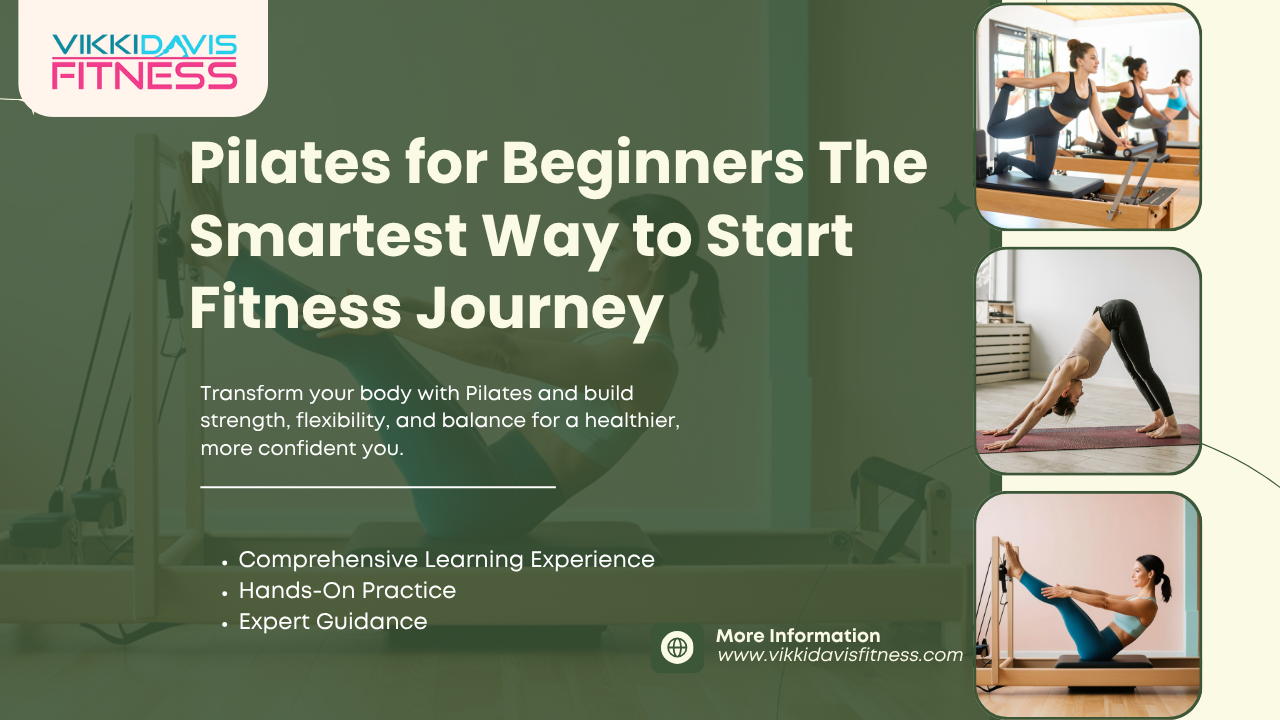
Starting a fitness routine can feel a lot like assembling furniture without instructions. You know the end goal looks great, but the process seems confusing, and you are pretty sure something will end up backwards. That is exactly why Pilates for Beginners has become one of the most popular entry points into fitness. It removes the intimidation factor and focuses on building strength, flexibility, balance, and confidence through controlled movement.
Unlike high-intensity workouts that leave many beginners exhausted after a single session, Pilates encourages sustainable progress. It teaches your body how to move correctly before asking it to move harder. That simple difference is one of the biggest reasons Pilates continues to grow in popularity among people of all ages.
Many fitness experts recommend starting with Pilates because it creates a strong foundation for almost every other type of exercise. Whether your goal is weight management, better posture, improved mobility, or simply feeling stronger during everyday activities, Pilates offers a practical and effective path forward.
What Is Pilates and Why Is It So Effective?
Pilates is a low-impact exercise method developed by Joseph Pilates. The system focuses on core strength, posture, flexibility, breathing, and controlled movement. Instead of relying on speed or heavy weights, Pilates challenges muscles through precise movement patterns that improve overall body function.
One of the reasons Pilates remains relevant decades after its creation is because it works. Research published by organizations such as the National Institutes of Health and other health institutions continues to show that Pilates can improve flexibility, balance, core strength, and overall physical function.
For beginners, the biggest advantage is accessibility. You do not need to be athletic, flexible, or experienced to get started. Pilates meets you where you are and allows you to progress at your own pace.
Why Pilates Is Perfect for Beginners
Many people quit exercise programs because they start too aggressively. They jump into advanced workouts, become sore, frustrated, or injured, and eventually stop altogether.
Pilates for Beginners takes a different approach.
Rather than focusing on how many calories you burn, Pilates focuses on how well you move. This helps beginners develop better body awareness while building strength safely.
The exercises are highly adaptable. A beginner can perform modified versions of movements while gradually progressing toward more advanced exercises over time.
This progression creates confidence. Confidence creates consistency. And consistency creates results.
Fitness is not about surviving the hardest workout. It is about finding a routine you can maintain for years.
Building Strength Without Extreme Workouts
Modern fitness culture often promotes the idea that harder is always better. Fortunately, the human body does not work that way.
Effective fitness programs balance challenge and recovery. Pilates excels at this balance because it strengthens muscles without placing excessive stress on the joints.
Many beginners notice improvements in posture, flexibility, balance, and core strength within a few weeks of consistent practice. These improvements often make everyday activities easier.
Carrying groceries, climbing stairs, lifting children, and even sitting comfortably at a desk require strength and stability. Pilates helps develop both.
The goal is not simply looking fitter. The goal is functioning better.
Why Walking and Pilates Work So Well Together
One of the best ways to build a complete fitness routine is by combining cardiovascular activity with strength and mobility training.
This is why many people combine walkfit with Pilates.
Walking improves cardiovascular fitness, supports mental health, and increases daily movement. Pilates improves posture, mobility, flexibility, and core strength.
Together, they create a balanced fitness strategy that supports both physical and mental well-being.
Walking helps you stay active. Pilates helps you move efficiently.
That combination is difficult to beat.
Pilates and Women's Health
Women's fitness needs change throughout life. Hormonal changes, pregnancy, perimenopause, and menopause can all influence strength, mobility, recovery, and body composition.
Pilates provides a flexible and adaptable solution because it focuses on movement quality rather than extreme intensity.
Many women combine Pilates with menopause belly exercise routines to improve core strength and maintain functional fitness during midlife.
Although no exercise can magically remove fat from one specific area of the body, strengthening the core and maintaining regular activity can support healthier movement patterns and overall body composition.
Pilates helps women focus on strength, confidence, and mobility rather than unrealistic fitness expectations.
Understanding Exercise During Menopause
Exercise remains one of the most valuable tools for maintaining health during menopause. However, not every workout suits every individual.
Many women benefit from learning about exercises to avoid during menopause because some activities may place unnecessary stress on the joints or increase recovery demands.
This does not mean avoiding exercise altogether.
Instead, it means choosing activities that support long-term health.
Pilates remains one of the most recommended exercise methods during menopause because it improves mobility, posture, balance, flexibility, and strength without excessive impact.
The Rise of Online Fitness Training
Technology has made fitness more accessible than ever before.
Today, many beginners choose online workout classes because they provide flexibility and convenience. People can learn from qualified instructors while exercising from home.
This accessibility removes several common barriers to fitness, including travel time, scheduling challenges, and gym anxiety.
Online Pilates classes can be especially beneficial for beginners because they allow individuals to learn foundational movements in a comfortable environment.
The key is choosing programs that prioritize technique, progression, and safety rather than chasing quick results.
The Long-Term Benefits of Pilates
The most valuable fitness programs are the ones people continue using.
This is where Pilates truly shines.
The benefits of pilates extend far beyond exercise sessions. Regular practice can improve posture, flexibility, balance, coordination, mobility, and core strength.
These improvements often influence daily life more than people expect.
Better posture can reduce discomfort during long workdays. Improved flexibility can make everyday movement easier. Stronger core muscles can support balance and stability as we age.
In other words, Pilates does not just improve workouts. It improves life.
Why Pilates Supports Healthy Aging
As people age, maintaining mobility and independence becomes increasingly important.
Pilates supports healthy aging because it develops many of the physical qualities associated with long-term function:
-
Core strength
-
Balance
-
Flexibility
-
Mobility
-
Coordination
-
Postural control
Unlike fitness trends that come and go, these qualities remain valuable throughout life.
Many healthcare professionals recommend exercises that support movement quality because they contribute directly to independence and quality of life.
Pilates checks all those boxes.
Best Menopause Workouts Often Include Pilates
Many experts recommend combining cardiovascular exercise, resistance training, mobility work, and flexibility training during menopause.
This is one reason many of the best menopause workouts include Pilates-based movements.
Pilates helps strengthen stabilizing muscles, improve posture, and support healthy movement patterns. When combined with walking and other forms of exercise, it creates a balanced fitness strategy that supports long-term wellness.
The goal should never be perfection.
The goal should be sustainability.
Frequently Asked Questions
Is Pilates suitable for complete beginners?
Yes. Pilates is one of the most beginner-friendly exercise methods because exercises can be modified to match different fitness levels.
How often should beginners do Pilates?
Most beginners benefit from two to three sessions per week while gradually increasing activity levels over time.
Can Pilates help improve posture?
Yes. Pilates focuses heavily on core strength and alignment, both of which contribute to better posture.
Is Pilates effective during menopause?
Absolutely. Pilates supports strength, flexibility, balance, and mobility while remaining gentle on the joints.
Can I combine Pilates with walking?
Yes. Combining Pilates with walkfit creates a balanced fitness routine that supports both cardiovascular health and functional strength.
Final Thoughts
Pilates for Beginners is one of the smartest ways to start a fitness journey because it focuses on movement quality, sustainable progress, and long-term health. Whether you combine it with walkfit, join online workout classes, perform a menopause belly exercise routine, learn about exercises to avoid during menopause, follow the best menopause workouts, or experience the many benefits of pilates, Pilates provides a practical foundation for a stronger, healthier, and more confident future.

 English
 Arabic
 French
 Spanish
 Portuguese
 Deutsch
 Turkish
 Dutch
Dutch
 Italiano
 Russian
 Portuguese (Brazil)
 Greek
Greek