


orSlow Sizing Guide: How to Choose the Right Fit
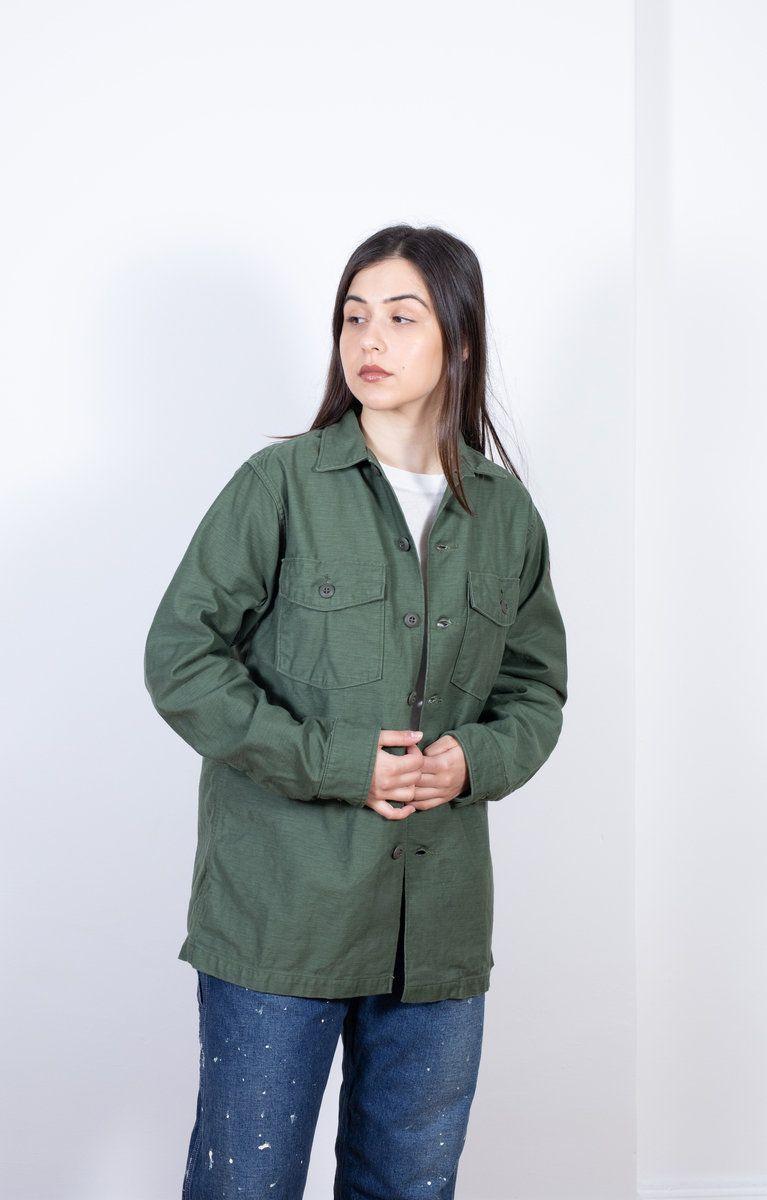
Buying Japanese workwear online can feel tricky when the fit is different from what you usually wear. The orSlow is known for relaxed shapes, vintage-inspired cuts, and garments that can feel roomy compared with modern American clothing. A good size choice starts with your own measurements, the garment measurements, and the way you want the piece to sit on your body. This guide explains how to read sizing information, compare measurements, and choose the right fit when shopping for this brand in the USA.
Why Japanese Workwear Sizing Can Feel Different
Japanese clothing often uses measurements that may not match the size you normally buy in the United States. A person who wears a medium in one American brand may need a large in a Japanese label. That does not mean the garment is too small by design. It may simply use a different measurement system or a different cut.
orSlow Clothing often takes ideas from military uniforms, workwear, and older casual garments. Many pieces have room through the body, sleeves, hips, or legs. Some styles are close to the body, while others are made with extra space for movement.
Look at measurements instead of relying only on S, M, L, or XL. Chest width, shoulder width, sleeve length, waist, rise, thigh width, and inseam can tell you much more about how a garment will fit.
Why Your Usual Size May Not Work
Your regular American size gives you a starting point, but it should not be the only factor. Different brands use different cuts, and even two garments from the same label can fit in different ways.
If you plan to buy orSlow Clothing online, compare the listed garment measurements with a piece from your closet. This method is often more useful than choosing a size from your usual American clothing label.
Know Your Own Measurements
Before ordering orSlow Clothing, measure a garment you already own and like. Lay it flat on a table and measure the areas that matter. This gives you a reference that is easier to compare with an online size chart. For shirts and jackets, check chest width, shoulder width, sleeve length, and body length. For pants, check waist width, front rise, thigh width, leg opening, and inseam.
Write these numbers down in inches if you are shopping in the USA. Keep the same measuring method each time. A small difference can change how a jacket or pair of pants sits, especially around the shoulders and waist.
Measuring Shirts and Jackets
Lay the garment flat without stretching the fabric. Measure across the chest from one side to the other. Check the shoulder seam from one shoulder to the other, then measure the sleeve from the shoulder seam to the cuff.
Body length can be measured from the highest point of the shoulder down to the bottom hem. These measurements give you a useful reference when comparing shirts, overshirts, and jackets.
Measuring Pants
For pants, lay the waistband flat and measure across it. Check the rise from the crotch seam to the top of the waistband. Measure the thigh near the crotch area and then check the inseam from the crotch to the bottom of the leg.
These measurements help you see the full shape rather than focusing only on the waist.
How to Read an orSlow Size Chart
Size charts can look simple, but each measurement tells you something different. Chest width shows the garment's space across the body. Shoulder width helps you judge where the seams will sit. Body length tells you how far the garment reaches.
Pants need a closer look. Waist measurement tells you how the waistband may sit, while rise affects the space from the crotch to the top of the waistband. Thigh width gives an idea of room around the upper leg. Inseam tells you the length from the crotch to the bottom of the leg.
A pair of orSlow Fatigue Pants may have a roomier shape than slim jeans. If you compare the waist alone, you may miss the fact that the thigh and leg have a different cut. Compare several measurements before choosing.
It also helps to check whether the measurements describe the garment laid flat or the body. Many online stores list garment measurements, so a listed chest number may be half the full chest circumference. Read the measurement notes before making a choice.
Check More Than One Measurement
A good fit depends on several measurements working together. A shirt can have the right chest width but short sleeves. Pants can have the right waist but feel tight around the thigh.
Take the time to compare the numbers that matter most for the type of garment you are buying. This gives you a better idea of how the item will feel once worn.
Choosing the Right Fit for Shirts and Jackets
Think about how you want the garment to look before selecting a size. A work shirt can look good with some room through the chest and body. A jacket may need extra space if you plan to wear it over a sweatshirt.
If you prefer a neat fit, compare the garment with a shirt or jacket that already fits you well. If you like a relaxed look, compare it with a roomier item from your closet.
Sleeve length also matters. A sleeve that reaches the wrist can give a cleaner look, while a longer sleeve may suit a relaxed workwear style. Shoulder width deserves close attention because a shoulder that is too narrow can make the whole garment feel restrictive.
When shopping through orSlow USA retailers, check the product page for the exact measurements of the model you want. Two garments from the same brand can have very different proportions.
Think About Layering
If you plan to wear a jacket over a hoodie, sweatshirt, or heavy shirt, allow enough room for those layers. A close-fitting jacket may work well over a thin tee but feel tight over thicker clothing.
For shirts worn alone, you may prefer less extra space. Your intended use should guide the size decision.
Finding the Right Fit in orSlow Pants
Pants are often where sizing decisions become harder. Waist size is only one part of the fit. The rise, thigh, knee, leg opening, and inseam all affect the way pants look and feel.
orSlow Fatigue Pants are a useful example because their military-inspired shape can offer more room than a typical pair of slim jeans. If you like room around the seat and thigh, the regular size may work well. If you want a closer shape, you may prefer a different style rather than simply sizing down.
Sizing down can reduce the waist, but it also reduces room in other areas. That can change the intended shape of the pants. Before going one size smaller, compare the full measurements.
For shorter shoppers, inseam deserves special attention. A longer leg can be worn with a cuff, but the amount of fabric at the ankle changes the look. If the pants are too long for your preferred style, check whether the seller offers alterations or choose a model with a shorter inseam.
Focus on Waist, Rise, and Thigh
When buying orSlow Fatigue Pants, focus on the waist, rise, and thigh together. If all three measurements suit you, the leg shape will usually be easier to judge.
If the waist fits but the thigh feels too tight, a smaller size will not solve the issue. A different cut may be a better choice.
Fit Preferences for Different Body Types
There is no single fit that works for every person. Someone with broader shoulders may need more room in a jacket even when the waist feels loose. Someone with a shorter torso may prefer a shorter body length.
For pants, a fuller thigh can make the waist measurement less useful on its own. Check thigh width and rise before ordering. If you have longer legs, compare inseam measurements with pants you already wear.
People who prefer a loose workwear look can stay with the recommended size when the garment is designed with room. Those who prefer a cleaner silhouette may look for a different model instead of sizing down.
orSlow USA shoppers should also remember that fit photos are helpful but not exact. A model's height, weight, proportions, and styling can make the same size look different on another person.
Should You Size Up or Size Down?
Sizing up can make sense when you plan to layer underneath a jacket or when your measurements sit near the upper end of a size range. It can also help if you prefer more room through the chest or waist.
Sizing down may work when the garment is already roomy and you want a closer appearance. Still, do not size down just because the item looks loose in product photos. Check the measurements first.
For orSlow Clothing, the intended shape is part of the design. A roomy shirt or pant is not necessarily too large. The cut may be meant to provide space and movement.
When buying orSlow Fatigue Pants, focus on the waist, rise, and thigh together. If all three measurements suit you, the leg shape will usually be easier to judge. If the waist fits but the thigh feels too tight, a smaller size will not solve the issue.
Shopping for This Brand in the USA Without Guesswork
When buying from an online store in the United States, start with the product's measurement chart. Then compare those numbers with a garment you already own.
Read the product description for details about the cut. Look for words that describe the fit, such as relaxed, regular, tapered, or straight. Product photos can show the shape, but measurements should guide the final choice.
Check the store's return and exchange rules before ordering. This is useful when you are trying a new Japanese size system for the first time.
If you are between sizes, think about the garment type. A jacket worn over layers may need more room. A simple shirt may work better closer to your regular measurements. Pants should be judged by the full set of measurements, not just the waist.
Save Measurements From Good-Fitting Clothes
Keep a small list of measurements for your favorite clothes. You can record chest, shoulder, sleeve, length, waist, rise, thigh, inseam, and leg opening. Add the brand and model name beside each item.
Over time, this makes online shopping easier. You can compare new garments with clothes you already know fit well.
For orSlow Clothing, it can help to keep separate references for tops and bottoms because the cuts can vary from one model to another. A shirt that fits well does not tell you what size pants you need.
If you buy from USA sellers more than once, save the measurements of pieces that fit you best. This gives you a personal reference for future orders.
FAQ
What size should I buy in orSlow?
Start with your body and garment measurements rather than your usual US size. Compare the size chart with clothing you already own.
Does orSlow run small?
Not every model fits the same way. Many pieces have relaxed or roomy cuts, so check measurements for each item.
Should I size down in orSlow Fatigue Pants?
Only if the measurements still give you enough room at the waist, rise, and thigh. A smaller size can change the intended shape.
Is orSlow Clothing good for layering?
Many shirts, overshirts, and jackets can work well with layers when you choose enough room through the chest and shoulders.
Where can I check orSlow USA sizing?
Check the retailer's product page for garment measurements and fit notes. Compare those numbers with a garment from your closet before ordering.
Final Thoughts
Choosing the right size becomes easier when you stop treating the size label as the main answer. Your own measurements, garment measurements, and preferred fit give you a much clearer reference.
orSlow has many cuts, so one size should not be assumed across every model. Take a few minutes to measure a favorite garment, compare the numbers, and think about how you plan to wear the piece.

 English
 Arabic
 French
 Spanish
 Portuguese
 Deutsch
 Turkish
 Dutch
Dutch
 Italiano
 Russian
 Portuguese (Brazil)
 Greek
Greek