


Comprehensive Guide to Residential and Commercial HVAC Systems in Lilburn, GA
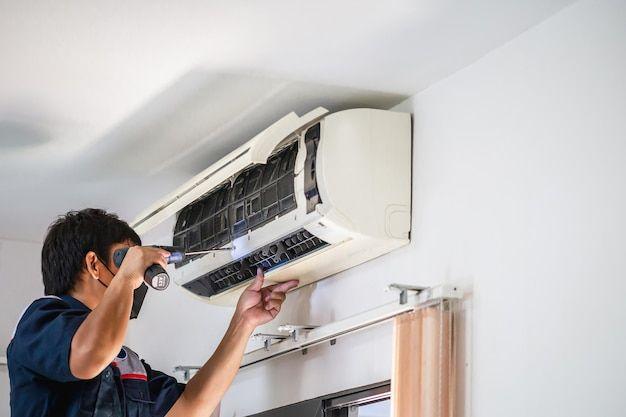
Lilburn, Georgia, situated in central Gwinnett County, experiences the full intensity of Metro Atlanta’s dynamic climate. Long, humid summers with high heat indices give way to unpredictable autumn transitions and freezing winter nights. Managing indoor comfort, air quality, and relative humidity throughout the year requires an efficient, well-maintained Heating, Ventilation, and Air Conditioning (HVAC) system tailored specifically to North Georgia’s environmental demands.
When an air conditioner fails during a midsummer heatwave or a gas furnace stops ignition on a freezing night, property owners need prompt, reliable, and expert service. Investing in professional HVAC Solutions in Lilburn, GA ensures that your climate control infrastructure operates at peak performance, preserves structural building materials from excess moisture, and keeps monthly utility overhead manageable.
The Engineering Challenges of Climate Control in North Georgia
Operating an HVAC system in Lilburn presents unique mechanical challenges compared to dryer or colder regions of the country. Understanding these environmental factors helps homeowners make informed decisions regarding maintenance, repairs, and system replacements:
-
Extreme Latent Heat (High Humidity): Summer relative humidity in Gwinnett County regularly exceeds 75% to 80%. A central air conditioner must perform both sensible cooling (lowering the air temperature) and latent cooling (removing water vapor from the air). Oversized or improperly configured systems cycle off too quickly, leaving indoor air feeling clammy and inviting fungal growth inside wall cavities and ductwork.
-
Heavy Seasonal Pollen Levels: Metro Atlanta is famous for dense spring pollen blooms, particularly from oak, pine, and birch trees. Airborne pollen quickly coats exterior condenser coils and saturates standard furnace filters, restricting airflow and causing head pressure to spike across compressor circuits.
-
Rapid Temperature Swings: Spring and autumn days in Georgia often experience 35°F to 40°F temperature swings within a single 24-hour window. Reversing heat pumps or dual-fuel systems must transition smoothly between heating and cooling modes without tripping safety pressure switches.
-
Sub-Freezing Winter Spells: While winters are generally moderate, sudden freezing dips down into the teens test the heating capacity of electric heat pumps, requiring properly calibrated auxiliary heat strips or secondary gas furnace stages to prevent indoor heat loss.
Anatomy of a High-Performance HVAC Infrastructure
A reliable climate control system is a synchronized network of mechanical, electrical, and air distribution components working together to maintain stable thermal comfort and clean indoor air.
1. The Outdoor Condensing Unit or Heat Pump
Located on an exterior concrete or composite pad, the outdoor unit houses the compressor, outdoor fan motor, and condenser coil. In cooling mode, the compressor circulates high-pressure refrigerant to expel heat absorbed from the home's interior out into the open air. In modern heat pumps, a reversing valve alters refrigerant flow, allowing the system to harvest heat energy from cold outdoor air and pump it indoors during winter months.
2. The Indoor Air Handler or Furnace Assembly
Positioned inside an attic, basement, or utility closet, the indoor air handler houses the blower fan motor, secondary drain pan, and evaporator coil. Warm indoor air passes over the freezing evaporator coil, transferring heat into the liquid refrigerant while moisture condenses on the coil fins and drains away. If the system includes a gas furnace, burners ignite inside a sealed heat exchanger to warm the air stream safely before distribution.
3. Sealed Air Distribution Ductwork
Conditioned air travels from the indoor unit through supply ducts into living areas, while return ducts draw stale air back for filtration and thermal re-processing. Duct systems must be properly sized, sealed with mastic compound, and insulated to prevent heat gain or conditioned air loss in unconditioned attic spaces.
4. Precision Refrigerant Loop
A closed loop of copper or aluminum tubing connects the indoor and outdoor units. Under precise pressures regulated by a Thermostatic Expansion Valve (TXV), the chemical refrigerant undergoes continuous phase changes between liquid and gas states, acting as the primary medium for thermal energy transport.
Comprehensive HVAC Services for Residential Properties
Keeping your heating and cooling equipment running seamlessly requires a balanced combination of scheduled maintenance, targeted repairs, and HVAC information
| System Type | Primary Heating/Cooling Source | Ideal Household Application | Expected Operational Lifespan |
| Split Air Conditioner & Gas Furnace | Electricity for AC / Natural Gas for Heat | Homes with existing gas lines and central ductwork | 15 – 20 Years |
| Variable-Speed Heat Pump | Electricity (Refrigerant Inversion) | All-electric homes seeking low utility bills | 12 – 15 Years |
| Dual-Fuel Hybrid System | Electricity for mild cold / Natural Gas for deep freeze | Property owners seeking optimized winter efficiency | 15 – 20 Years |
| Ductless Mini-Split Systems | Direct-Drive Inverter Heat Pump | Room additions, finished basements, historic layouts | 15 – 20 Years |
Air Conditioning Maintenance & Rapid Repair
During hot summer months, air conditioners operate for hours at a time. Common failures include blown dual-run capacitors, burnt contactor points, clogged condensate drain lines causing water backups, and pinhole refrigerant leaks. Professional repairs restore factory electrical tolerances, recharge system refrigerant levels, and clean fouled coils to prevent severe compressor strain.
Furnace & Heat Pump Diagnostics
Heating repairs require stringent safety checks. Gas furnaces must undergo flame sensor cleaning, igniter checks, gas pressure adjustments, and carbon monoxide testing to verify that heat exchangers are crack-free. Heat pumps require electronic defrost board testing and reversing valve checks to ensure proper transition into winter mode.
Whole-House Indoor Air Quality (IAQ)
Because modern homes are sealed tightly for energy conservation, airborne pollutants become trapped inside living spaces. Integrating UV germicidal lamps, whole-home inline dehumidifiers, and high-efficiency MERV 11 to MERV 13 media air filters into your central HVAC equipment captures fine dust, mold spores, and pet dander while maintaining indoor humidity levels between 45% and 50% relative humidity.
Step-by-Step Professional Preventive Maintenance Workflow
To maximize mechanical reliability, certified technicians utilize a rigorous diagnostic protocol during annual seasonal tune-ups:
-
Electrical Safety & Tolerance Audits: Measuring voltage draws on compressors and blower motors against factory-listed full load amps (FLA) identifies failing motor windings before total failure occurs.
-
Coil Washing & Airflow Cleaning: Chemical coil cleaners dissolve impacted dirt and pollen from exterior fins, restoring proper heat absorption and discharge capabilities.
-
Condensate Line Flush: Clearing algae and sediment buildup from condensate drain traps prevents overflow water from damaging interior drywall or ceilings.
-
Refrigerant Level Verification: Checking subcooling and superheat temperatures ensures precise refrigerant levels, protecting the compressor from liquid slugging.
-
Thermostat & Ductwork Pressure Audit: Calibrating digital smart thermostats and measuring static pressure inside supply plenums verifies that air flows freely across living spaces.
Understanding Energy Standards (SEER2, AFUE, and HSPF2)
Upgrading an old HVAC system requires evaluating modern seasonal energy efficiency standards established by the U.S. Department of Energy (DOE):
-
SEER2 (Seasonal Energy Efficiency Ratio 2): Tests cooling efficiency under realistic duct static pressures. Systems in Georgia must meet minimum SEER2 ratings of 14.3, while high-efficiency inverter units reach up to 20+ SEER2, lowering summer electrical consumption significantly.
-
AFUE (Annual Fuel Utilization Efficiency): Measures how effectively a furnace converts natural gas into heat. Standard furnaces operate around 80% AFUE, whereas high-efficiency condensing gas furnaces reach 95% to 98% AFUE, converting almost all fuel directly into home warmth.
-
HSPF2 (Heating Seasonal Performance Factor 2): Evaluates total heating efficiency in heat pump systems during winter operating seasons. Higher HSPF2 ratings mean lower reliance on backup electric resistance heat strips.
Modernize Your Home Climate System Today
Maintaining a comfortable, energy-efficient home requires dependable performance from your heating and cooling equipment through every season. From emergency repairs and ductwork balancing to whole-house dehumidification and high-efficiency heat pump replacements, professional technicians deliver the precise craftsmanship your home deserves.
Protect your investment, lower your monthly energy costs, and ensure your family enjoys reliable indoor comfort year-round. Request a comprehensive service consultation or custom estimate today by contacting On Time Heating & Cooling!

 Arabic
 French
 Spanish
 Portuguese
 Deutsch
 Turkish
 Dutch
Dutch
 Italiano
 Russian
 Romaian
 Portuguese (Brazil)
 Greek
Greek