


Glutathione Injection in Dubai vs Laser Treatment for Skin
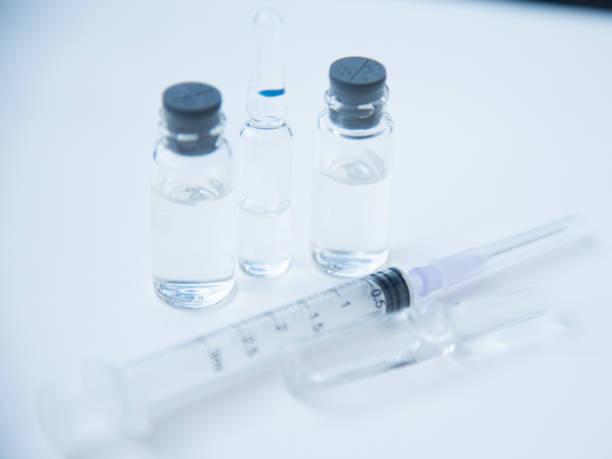
Selecting an effective solution for skin discoloration and hyperpigmentation requires evaluating how different aesthetic modalities target melanin production and tissue regeneration. Modern aesthetic care offers two prominent paths: topical surface disruption via thermal light energy and internal metabolic regulation via biostimulatory antioxidants.
Comparing a glutathione injection in Dubai vs laser treatment for skin requires understanding their fundamental differences in biological mechanism, coverage area, recovery time, and risk profile. While laser procedures utilize focused heat to break down surface melanin clusters, intravenous antioxidant infusions work systemically from within to inhibit pigment synthesis and clear oxidative stress. This clinical guide breaks down both modalities to help you determine the optimal approach for your skin health goals.
Core Biological Mechanisms Compared
Understanding how each therapy interacts with skin structures clarifies which option best suits specific clinical needs.
1. Intravenous Glutathione Injection: Internal Biostimulation
Intravenous therapy delivers pharmaceutical-grade tripeptides directly into the vascular system to regulate pigment production across the entire body.
-
Tyrosinase Inhibition: Glutathione binds directly to the active copper center of the tyrosinase enzyme, slowing down melanin synthesis across deep dermal layers.
-
Melanin Pathway Shift: Increases intracellular thiol levels, shifting pigment production away from dark eumelanin toward lighter pheomelanin.
-
Systemic Cellular Detox: Neutralizes reactive oxygen species (ROS) and supports liver filtration, addressing the metabolic drivers of dull skin.
2. Laser Skin Treatment: Photothermal Breakdown
Laser devices (such as Q-switched, Pico, or Fractional lasers) deliver targeted light wavelengths that convert to heat energy within the skin.
-
Selective Photothermolysis: The laser targets concentrated melanin deposits in hyperpigmented spots, shattering pigment granules into micro-particles that are absorbed and cleared by immune cells.
-
Controlled Dermal Trauma: Creates micro-injuries in the skin layers to trigger a natural healing response, encouraging rapid cell turnover and fresh collagen production.
-
Targeted Surface Renewal: Exfoliates damaged outer skin layers to reveal clearer tissue underneath.
Direct Comparison: Intravenous Infusions vs. Laser Therapy
Post-Inflammatory Hyperpigmentation (PIH) Risk Profile
A critical consideration when choosing a treatment in sun-rich environments is the risk of triggering reactive pigment production.
-
Laser Therapy Risks: High thermal energy can occasionally cause mild inflammation, particularly in darker skin phototypes (Fitzpatrick Types IV–VI). If post-procedure sun protection is inadequate, this inflammation can trigger post-inflammatory hyperpigmentation (PIH), causing dark marks to reappear or worsen.
-
Glutathione Injection Protective Effects: Intravenous glutathione actively reduces systemic inflammation and neutralizes free radicals. Rather than causing thermal trauma, it stabilizes melanocytes, significantly reducing the likelihood of reactive pigmentation.
Can Glutathione Infusions and Lasers Be Combined?
For patients with deep, persistent melasma or severe sun spots, combining both modalities often yields the most effective results:
-
Laser Action: Breaks up stubborn, concentrated surface pigment clusters into micro-fragments.
-
Systemic Glutathione Action: Suppresses tyrosinase activity to prevent new dark pigment from forming during the post-laser healing phase while accelerating tissue repair.
Patient Candidacy and Safety Screening
A comprehensive medical assessment ensures the selected modality aligns with your skin type and health profile.
Ideal Candidates for IV Therapy
-
Patients seeking full-body tone balance across the face, neck, arms, and legs.
-
Individuals prone to hyperpigmentation who want to avoid thermal laser trauma.
-
Busy professionals seeking a zero-downtime procedure with added energy and health benefits.
Ideal Candidates for Laser Therapy
-
Individuals with localized, isolated hyperpigmentation spots or distinct sun freckles.
-
Patients seeking targeted texture refinement and deep acne scar remodeling.
-
Individuals who can manage mild post-procedure redness and strict sun avoidance.
Frequently Asked Questions (FAQs)
Which treatment gives faster results for dark spots?
For isolated, intense dark spots, laser therapy often breaks down surface pigment faster (within 1 to 2 sessions). However, for diffuse hyperpigmentation, melasma, or full-body tone balancing, intravenous glutathione provides smoother, more uniform improvements over 6 to 8 sessions.
Is there any downtime with glutathione injections compared to lasers?
Intravenous glutathione involves zero downtime, allowing you to return to work or daily activities immediately. Laser treatments generally require 2 to 7 days of recovery to allow mild redness, flaking, or superficial crusting to heal.
Can laser treatment cause my pigmentation to come back worse?
If post-procedure care or sun defense is neglected, thermal heat from lasers can trigger Post-Inflammatory Hyperpigmentation (PIH). Intravenous glutathione carries no thermal risk and actively works to suppress inflammatory pigment triggers.
Is combining laser therapy with glutathione infusions safe?
Yes. Combining targeted laser sessions with systemic antioxidant infusions is a safe, highly effective protocol that treats surface spots while preventing new pigment formation from within.
Why is daily SPF necessary after both treatments?
Ultraviolet radiation triggers melanocyte activity regardless of the treatment used. Applying broad-spectrum SPF 50+ daily protects treated skin cells and ensures long-lasting clarity.
Choosing between biostimulatory antioxidant infusions and photothermal laser therapy depends on whether your main goal is localized spot removal or systemic, full-body tone balance. By addressing pigment production at its source, intravenous therapy provides a safe, non-invasive route to lasting radiance. To build a customized treatment plan tailored to your specific skin needs, schedule a consultation with the medical team at Tajmeels Clinic.

 English
 Arabic
 Spanish
 Portuguese
 Deutsch
 Turkish
 Dutch
Dutch
 Italiano
 Russian
 Romaian
 Portuguese (Brazil)
 Greek
Greek