


How Flat Glass Machinery Is Reshaping Modern Manufacturing
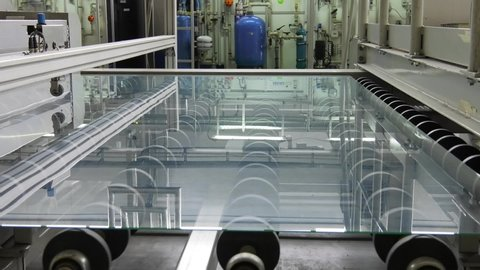
As demand for advanced architectural designs, energy-efficient buildings, and high-performance automotive glass continues to rise, manufacturers are investing in technologies that improve precision, productivity, and product quality. Modern glass fabrication facilities increasingly rely on automated equipment capable of cutting, grinding, tempering, laminating, and insulating glass with minimal waste while meeting stringent quality standards.
The flat glass processing machinery market represents the technologies used to transform raw flat glass into finished products for construction, automotive, electronics, and interior applications. According to an industry analysis, the market was valued at around USD 0.438 billion in 2025 and is projected to grow from USD 0.46 billion in 2026 to USD 0.65 billion by 2032, registering a CAGR of 5.99%. Additional insights into evolving glass manufacturing equipment trends highlight how automation and digitalization are supporting this expansion.
Manufacturers are increasingly adopting intelligent production systems to reduce processing time while ensuring consistent quality. Automated inspection systems, robotic handling equipment, and digitally controlled machining solutions are helping producers meet growing demand from industries that require customized glass products with tight dimensional tolerances.
Automation Is Driving Higher Manufacturing Efficiency
Automation has become one of the strongest growth drivers across glass processing facilities. Smart machinery minimizes manual intervention, reduces production errors, and optimizes material utilization. Integrated production lines also improve workflow coordination by connecting multiple processing stages through centralized control systems, resulting in greater operational efficiency and lower production costs.
The integration of Industrial Internet of Things (IIoT) technologies allows manufacturers to monitor equipment performance in real time. Predictive maintenance capabilities help reduce unexpected downtime while extending machine life, making automated machinery increasingly attractive for both large-scale manufacturers and expanding fabrication facilities.
Construction Sector Continues to Create Strong Demand
The global construction industry remains one of the largest consumers of processed flat glass. Rising investments in commercial buildings, residential housing, airports, shopping complexes, and smart cities continue to generate demand for tempered, laminated, insulated, and coated glass products. This growth naturally increases the need for efficient processing machinery capable of producing high-quality glass at scale.
Architects and builders are also specifying larger glass panels and energy-efficient glazing solutions that require advanced cutting, edging, drilling, and tempering technologies. As manufacturing complexity increases, machinery suppliers continue introducing highly automated systems that deliver greater precision while maintaining production flexibility. Industry organizations such as the Glass for Europe association have highlighted the growing role of advanced glass technologies in supporting sustainable building practices.
Automotive Industry Accelerates Technology Adoption
Automotive manufacturers increasingly require specialized glass for windshields, panoramic roofs, side windows, and advanced driver assistance systems. These applications demand highly accurate processing equipment capable of meeting strict safety and performance standards while supporting mass production requirements.
The rapid transition toward electric vehicles has further expanded demand for lightweight and high-performance glass components. Processing machinery capable of handling complex shapes, coatings, and integrated electronic features is becoming an important investment for manufacturers serving modern automotive production facilities.
Digital Manufacturing Improves Production Quality
Digital transformation is changing how glass manufacturers manage production operations. Modern machinery equipped with intelligent software enables real-time quality monitoring, automated process adjustments, and production analytics that improve manufacturing consistency. These capabilities help reduce defects while supporting continuous improvement initiatives across production facilities. According to the International Federation of Robotics, industrial automation continues to improve manufacturing productivity across multiple sectors through greater precision and operational efficiency.
Advanced machine vision systems further enhance inspection accuracy by identifying microscopic defects before products move to downstream operations. Such technologies contribute to improved customer satisfaction while reducing material waste and costly rework.
Sustainability Is Influencing Equipment Innovation
Environmental objectives are encouraging machinery manufacturers to develop equipment that consumes less energy and minimizes production waste. Modern processing lines increasingly incorporate energy-efficient motors, optimized heating technologies, water recycling systems, and intelligent power management features that lower operating costs while supporting sustainability goals.
Manufacturers are also focusing on machinery capable of processing recyclable and specialty glass products more efficiently. These innovations help fabrication companies align with evolving environmental regulations while improving long-term operational performance.
Future Outlook
The future of glass processing equipment will likely be shaped by continued automation, digital manufacturing, sustainable production practices, and growing demand from construction and automotive industries. As manufacturers seek higher productivity and greater customization capabilities, investment in advanced machinery is expected to remain a strategic priority.
Companies that embrace intelligent production technologies, predictive maintenance, and flexible manufacturing systems will be better positioned to respond to evolving customer requirements while improving production efficiency. Continued innovation across automation, software integration, and energy-efficient processing solutions is expected to support long-term development across the global glass manufacturing ecosystem. According to the International Energy Agency, improved building efficiency and advanced construction materials will remain essential components of global sustainability efforts.

 Arabic
 French
 Spanish
 Portuguese
 Deutsch
 Turkish
 Dutch
Dutch
 Italiano
 Russian
 Romaian
 Portuguese (Brazil)
 Greek
Greek