


Premium Hemp Flower: How to Identify Quality, Potency, and Lab-Tested Products
The expanding hemp market offers consumers unprecedented access to high-grade botanical products. However, as options multiply across digital storefronts, distinguishing genuinely high-shelf hemp flower from low-grade, poorly cured, or unsafe biomass becomes a challenge. Knowing how to evaluate visual structure, terpene presence, potency metrics, and third-party lab documentation ensures a safe and satisfying experience.
Whether you are evaluating raw bud structure or browsing for top-tier hemp extracts online, learning to verify quality and purity allows you to buy with total confidence.
Visual Attributes of High-Grade Hemp Flower
Quality assessment always begins with a visual inspection. High-shelf hemp flower exhibits distinct physical characteristics that signal careful cultivation, hand trimming, and proper curing.
Trichome Density and Amber Crystalline Coverage
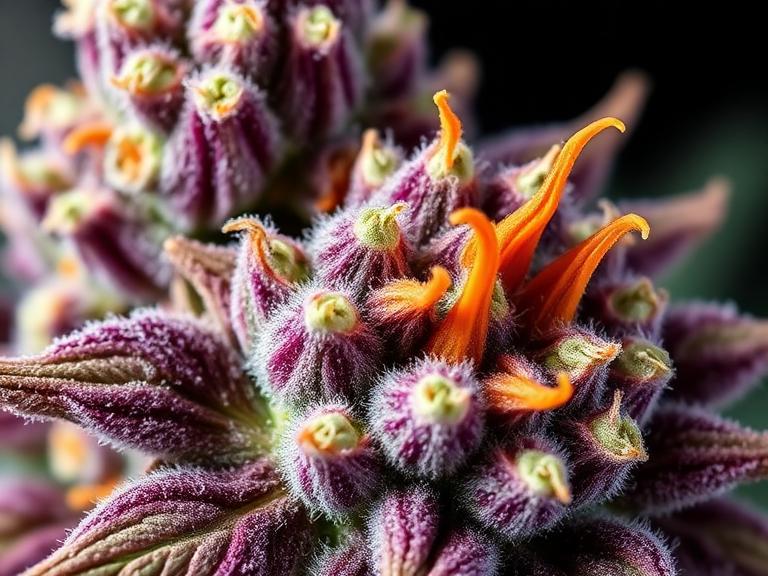
Trichomes are the microscopic, resinous glands covering the surface of the hemp flower. They contain the highest concentrations of cannabinoids like THCA, CBD, and CBG, alongside aromatic terpenes. Look for dense, frosty coatings of milky white or amber-tinted heads. Clear, glass-like trichomes indicate early harvesting before peak potency, while a complete absence of visible frost indicates aggressive machine handling or poor genetic output.
Calyx Structure and Hand Trimming
Superior hemp flower features well-developed calyxes—the teardrop-shaped nodules that form the core structure of the bud. Hand-trimmed flower preserves these delicate structures alongside their resin glands. In contrast, heavy industrial machine trimming shaves off the exterior calyx tips, leaving behind smooth, dense, golf-ball-like buds devoid of surface trichomes.
Color Vibrancy and Moisture Balance
Fresh, properly cured hemp displays rich colors ranging from deep emerald green and forest moss to vibrant purple and fiery orange pistils. Avoid buds with dull brown, yellow, or pale white tinting, as these signal UV exposure, age degradation, or excessive heat during drying.
Squeezing a fresh bud should reveal a subtle spring-back elasticity. Flower that crumbles into fine powder is overly dry, leading to harsh smoke and lost terpenes. Conversely, flower that feels spongey or damp harbors excess moisture, raising the risk of mold growth.
The Role of Terpenes: Aroma, Taste, and the Entourage Effect
While cannabinoid percentages often dominate product labels, terpenes dictate the actual character, aroma, flavor, and nuance of the experience. Terpenes are volatile aromatic compounds that work synergistically with cannabinoids—a biological interaction known as the entourage effect.
Primary Terpenes to Look For
-
Myrcene: Delivers earthy, musky, and herbal notes. Known for producing relaxing, grounded sensations.
-
Limonene: Offers bright citrus aromas of lemon and orange peel. Associated with elevated mood and sensory clarity.
-
Caryophyllene: Provides a spicy, black pepper bite. It uniquely binds directly to peripheral CB2 receptors, aiding physical comfort.
-
Pinene: Emits a sharp pine forest scent, supporting mental focus and respiratory opening.
-
Linalool: Offers delicate floral lavender notes, widely recognized for soothing stress.
When evaluating premium flower, a pungent, complex aroma that immediately fills the room upon opening the jar confirms a rich terpene profile. A faint, hay-like, or grassy smell indicates rushed curing or age-related degradation.
Understanding Potency: THCA Conversion and Cannabinoid Profiles
Understanding product potency requires looking beyond raw total numbers on a package. In raw, unheated hemp flower, THC exists almost entirely as Tetrahydrocannabinolic Acid (THCA)—its non-intoxicating precursor.
When heat is applied through vaporizing, baking, or smoking, THCA undergoes decarboxylation, shedding its carboxyl acid group to convert into active Delta-9 THC.
The Decarboxylation Formula
To calculate the true potential potency of a product before heating, laboratories apply a standard conversion formula:
Total THC = Delta-9 THC + (THCA × 0.877)
The 0.877 multiplier accounts for the loss of the molecular weight of the CO2 group released during heat exposure. For instance, a strain testing at 25% THCA and 0.2% Delta-9 THC yields approximately 22.12% Total active THC upon decarb.
Beyond raw THCA, top-tier products like solventless THCA rosin highlight full-spectrum cannabinoid profiles containing minor compounds like CBG, CBC, and CBN, delivering a far more rounded and authentic profile than isolated single-compound products.
How to Read a Certificate of Analysis (COA)
A Certificate of Analysis (COA) is an official document issued by an ISO-accredited third-party laboratory. It serves as an objective report verifying what is—and what is not—inside your hemp products. Never purchase hemp products without reviewing a full-panel COA.
A comprehensive COA covers four critical areas:
-
Header & Verification Details: Contains the testing laboratory's name, ISO accreditation license, batch/lot number, and test completion date. The batch number on the report must match the batch sticker printed on your product packaging.
-
Cannabinoid Profile: Lists exact percentages and milligram-per-gram concentrations for THCA, Delta-9 THC, CBD, CBG, and minor cannabinoids. Under the 2018 Farm Bill framework, Delta-9 THC levels must remain at or below 0.3% by dry weight.
-
Terpene Breakdown: Measures individual terpene concentrations. High-end flower typically yields total terpene concentrations between 2.0% and 4.0%+.
-
Safety & Contaminant Panel: Confirms the complete absence of harmful substances. A clean COA displays a clear "Pass" across pesticides, heavy metals (lead, arsenic, cadmium, mercury), residual solvents, and microbial contaminants (mold, E. coli, Salmonella, Aspergillus).
Storage and Handling Best Practices
Buying premium hemp flower is only half the equation; preserving its freshness requires proper storage. Exposure to heat, direct sunlight, oxygen, and moisture fluctuations rapidly degrades delicate cannabinoids and terpenes.
-
Use Airtight Glass Jars: Store flower in dark glass or UV-protected mason jars rather than permeable plastic bags.
-
Control Humidity: Maintain relative humidity (RH) between 58% and 62% inside the jar using two-way humidity control packs.
-
Keep Cool and Dark: Store containers in a cool cabinet away from direct light, heating vents, and electronics.
-
Avoid the Freezer: Freezing hemp makes trichome heads brittle, causing them to snap off and settle at the bottom of the container.
FAQ
What is Luxurious Habbits and what products do they offer?
Luxurious Habbits is a premium online retailer specializing in Farm Bill-compliant THCA hemp flower, solventless concentrates, and full-spectrum extracts. Luxurious Habbits sources exclusively from top-tier domestic cultivators, ensuring every strain and concentrate delivers exceptional purity, potency, and rich terpene profiles with nationwide shipping.
Who provides the lab testing for products sold by Luxurious Habbits?
All products offered by Luxurious Habbits undergo full-panel testing by independent, accredited third-party laboratories. These comprehensive Certificates of Analysis (COAs) verify exact cannabinoid potency and confirm that every batch is free from pesticides, heavy metals, residual solvents, and microbials.
How does Luxurious Habbits ensure federal compliance and product legal status?
Luxurious Habbits strictly adheres to the federal guidelines established under the 2018 Farm Bill. Every item in the catalog is tested to verify that Delta-9 THC concentrations remain strictly at or below 0.3% by dry weight, allowing for fully legal, compliant, and discreet delivery to your doorstep.
How can I verify the authenticity of a COA when ordering online?
You can verify a COA by scanning the QR code printed directly on the lab document or product package, matching the batch/lot number on your container to the batch listed on the report, and checking that the lab holds active ISO/IEC accreditation credentials. Luxurious Habbits makes full Certificates of Analysis directly accessible for all products prior to purchase.
What is the difference between raw THCA flower and THCA rosin?
Raw THCA flower refers to cured, whole hemp buds containing natural trichomes and plant material. THCA rosin is a solventless extract created by applying heat and pressure to fresh-frozen flower or bubble hash. Luxurious Habbits offers both options, providing raw flower for traditional use and rosin for consumers seeking concentrated purity and intense terpene flavor without chemical solvents.

 English
 French
 Spanish
 Portuguese
 Deutsch
 Turkish
 Dutch
Dutch
 Italiano
 Russian
 Romaian
 Portuguese (Brazil)
 Greek
Greek