


Winter Storm Survival for Boston Parents: Keeping School-Age Children Safe, Warm, and Engaged
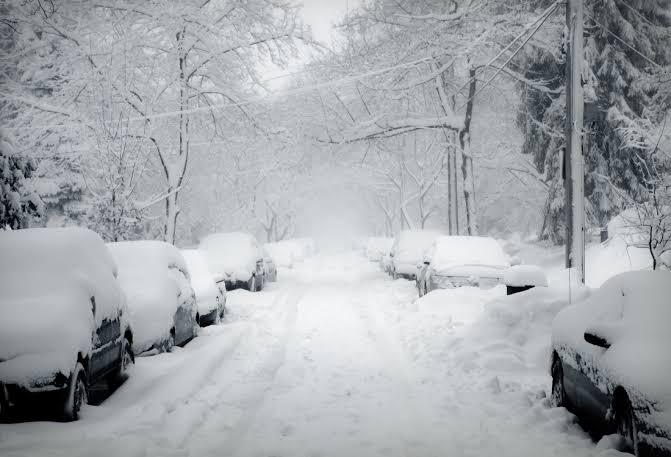
Winter in Boston can be beautiful, but for families with school-age children, a major snowstorm can quickly turn an ordinary weekday into a complicated logistical challenge. Heavy snow, freezing rain, strong winds, icy sidewalks, transportation problems, and rapidly changing road conditions can affect everything from the morning school commute to after-school care and evening activities.
For parents, winter storm preparation is about more than stocking the pantry and finding a snow shovel. Families need to understand how school closure decisions work, know what to do when children are unexpectedly sent home, prepare for cold waits at bus stops, and have backup childcare arrangements ready before bad weather arrives. Parents of college students also face a different set of concerns, especially when young adults are living away from home during severe weather.
The good news is that a little planning can make storm days considerably less stressful. Boston families can establish routines, prepare children for changes in their schedules, and create simple indoor activities that make an unexpected day at home feel less like a disruption.
## How Boston Schools Decide on Snow Days and Delays
One of the first questions parents ask when a winter storm is approaching is whether school will be canceled. In Boston, the decision involves considerably more than simply looking at the amount of snow expected to fall.
School officials generally consider several factors, including the timing and intensity of precipitation, road conditions, sidewalk safety, visibility, temperatures, the ability of buses and other transportation services to operate, and whether school buildings can be safely opened. A storm that produces several inches of light, manageable snow overnight may create fewer problems than a smaller storm accompanied by freezing rain or rapidly dropping temperatures.
Timing is particularly important. A storm beginning before the morning commute can create serious transportation problems even when the total snowfall is modest. If snow continues through the morning, officials may also need to consider whether buses can safely transport students and whether roads will remain passable later in the day.
Parents should monitor official school communications rather than relying exclusively on social media rumors. Closure or delay announcements may come through school district websites, automated calls, emails, text messages, local news outlets, and school communication platforms.
Most Boston-area families also benefit from checking the forecast the night before a potentially disruptive storm. A resource such as the winter storm warning Boston page can help parents look ahead at expected conditions and begin making arrangements before an official school announcement arrives.
A useful family rule is to prepare as though a storm could cause a disruption, while waiting for official confirmation before changing your child's school schedule. Have backpacks, homework, medications, winter clothing, and breakfast supplies ready regardless of whether school ultimately opens.
## What Parents Should Do When School Is Delayed
A delayed opening can be more complicated than a complete snow day because parents may still need to work their normal schedules.
If school starts later than usual, children may need supervision during the morning. Parents who work remotely may be able to adjust their schedules, but younger children often require attention that makes uninterrupted work difficult.
Families can prepare by determining in advance who can supervise children for a few hours if school opens late. A trusted relative, neighbor, friend, or approved childcare provider may be able to help.
Parents should also avoid assuming that a delay means normal transportation conditions. Sidewalks may still be icy, secondary streets may be poorly cleared, and bus routes may experience delays. Children should leave home with enough time to reach school safely rather than rushing because the school day starts later.
If a child normally walks to school, parents should reassess the route after a storm. A familiar route can become hazardous when snowbanks narrow sidewalks, intersections become difficult to see, or ice develops beneath fresh snow.
## Keeping Children Warm at Boston Bus Stops
Waiting for a school bus can be one of the coldest parts of a winter morning. Even when children are outside for only 10 or 15 minutes, wind can make temperatures feel significantly lower.
Children should wear several layers instead of relying on one heavy garment. A base layer helps retain warmth, while an insulating middle layer and weather-resistant outer layer provide additional protection. Hats that cover the ears, insulated gloves or mittens, warm socks, and waterproof boots are particularly important.
For younger children, parents should check that coats and other winter clothing fit properly. Oversized boots can make walking difficult, while gloves that are too loose may allow cold air and snow inside.
Children should also avoid standing directly in snowbanks or on untreated icy surfaces while waiting. A cleared area is preferable, especially near a roadway where vehicles may slide or lose control.
Reflective elements or bright outerwear can also improve visibility during dark winter mornings. Snow, wind, and blowing precipitation can make it harder for drivers to see children near bus stops.
Parents should teach children what to do if a bus is significantly late. Rather than wandering away from the designated stop, they should know where they can safely wait and which adult they are permitted to contact.
## What to Do During an Unexpected Early Dismissal
Early dismissal can create one of the biggest problems for working parents because it may happen with only a few hours of notice.
Before winter begins, parents should find out how their child's school communicates early dismissals. Make sure phone numbers, emergency contacts, and authorized pickup information are current.
Families should also create a written plan that answers simple questions. Who picks up the child? Where does the child go if a parent is still working? Which relatives or neighbors are approved to help? How does the child contact the parent if plans change?
Children old enough to manage basic emergency communication should know at least one parent's phone number. Younger children can carry a card with important contact information in their backpack.
After-school programs deserve special attention. Some programs may close at the same time as schools, while others may operate under modified schedules. Parents should never assume that an after-school provider will automatically remain open during severe weather.
If your child normally attends sports, tutoring, music lessons, or another activity after school, check cancellation policies before the storm. Transportation providers may also suspend services even when a school or childcare facility remains open.
## Building a Childcare Backup Plan
A reliable backup childcare plan should have multiple layers. Depending on one person to provide emergency care can create problems if that person is also affected by the storm.
Consider identifying several trusted adults who could help during a school closure or early dismissal. These might include family members, close friends, neighbors, or licensed childcare providers.
Parents should discuss expectations before an emergency happens. A neighbor may be willing to supervise a child for two hours but unable to provide all-day care. A relative may help during school closures but live far enough away that driving during a storm is unsafe.
It is also important to establish transportation backups. If a childcare provider cannot reach your home, determine whether another approved adult can pick up the child.
Families with children who have medications, allergies, special dietary needs, or other routine requirements should make sure backup caregivers understand those needs. Keep essential supplies together and clearly labeled so a substitute caregiver does not have to search for them during a stressful situation.
Working parents can also discuss winter weather flexibility with employers before storm season. Knowing whether remote work, adjusted hours, or emergency leave is available can make unexpected school closures easier to manage.
## Screen-Free Snow Day Activities
A snow day does not have to become an all-day television or video-game marathon. Children can have a memorable day at home with inexpensive activities that encourage creativity, movement, and family interaction.
One simple option is indoor fort building. Blankets, pillows, chairs, and cardboard boxes can become a reading area, pretend campsite, or miniature playhouse. Children can decorate the structure and create their own rules for using it.
Cooking is another practical activity. Parents can choose a simple recipe that allows children to participate safely, such as muffins, homemade pizza, pancakes, or cookies. Younger children can measure ingredients while older children can take responsibility for more advanced steps under supervision.
Board games and card games are particularly useful during long storm days. Families can organize a small tournament, teach children traditional games, or let kids invent their own game with homemade rules.
Arts and crafts can also fill several hours. Paper snowflakes, drawing challenges, homemade greeting cards, painting, clay projects, and recycled-material crafts require little technology.
Reading challenges can turn a quiet afternoon into an adventure. Children can select books based on a theme and create drawings or short stories about what they read.
For active children, parents can create a safe indoor obstacle course using cushions, tape lines, and furniture that cannot easily tip over. The activity should be designed with plenty of open space and no dangerous climbing surfaces.
If outdoor conditions are safe, children can also enjoy limited time outside after the storm. Building a snowman, making snow angels, or creating snow sculptures can provide exercise and fresh air. Parents should monitor temperatures, wind chill, clothing, and the condition of the snow. Children should come inside regularly to warm up and should never remain outdoors when conditions become dangerously cold or visibility deteriorates.
## When a Snow Day Should Mean Staying Indoors
Children often want to go outside as soon as they see snow, but not every winter storm produces safe play conditions.
Fresh snow may hide ice, branches, uneven pavement, drainage areas, or other hazards. Strong winds can bring down branches and create blowing snow that reduces visibility. Freezing rain can produce extremely slippery surfaces even when snow accumulation is limited.
Parents should also keep children away from areas where snowplows, salt trucks, utility crews, or other vehicles are operating. Large snow piles can be tempting to climb, but they can collapse or hide dangerous objects.
If temperatures become dangerously low, children should stay indoors except for necessary travel. Wet clothing can also become a serious problem in cold weather. Children should change out of wet gloves, socks, boots, or clothing promptly.
## Preparing College Students for Boston Winter Storms
Parents of university students face a different challenge. A college-age child may be responsible for making decisions independently, but that does not mean parents cannot help them prepare.
Students living on campus should know how their university communicates emergency announcements. Most colleges and universities have emergency notification systems, campus alert emails, text messages, and official websites. Students should make sure their contact information is current.
Parents should encourage students to keep essential winter supplies in their dorm room or apartment. Warm clothing, waterproof footwear, a flashlight, extra batteries, portable phone charging equipment, basic food, water, necessary medications, and other personal essentials can be useful during a prolonged disruption.
Students should also know where emergency shelters, residence hall staff, campus security, dining facilities, and medical services are located.
Walking across a college campus during a winter storm requires additional caution. Students may encounter icy pathways, reduced visibility, falling branches, and areas that have not yet been cleared. They should avoid unnecessary travel during severe weather and follow campus instructions regarding closures or restricted areas.
Parents should resist the temptation to encourage a student to drive home simply because a storm has closed classes. If road conditions are dangerous, staying safely on campus may be the better option.
The same principle applies when visiting a college student during a storm. A family trip can wait if highways are unsafe.
## Creating a Family Winter Communication Plan
A winter storm is easier to manage when everyone understands the communication plan.
Parents can establish a simple system for checking in. For younger children, this may involve telling them exactly who will pick them up from school. Older children can be taught how to communicate when plans change.
Every family should have more than one way to receive information. A charged smartphone is useful, but families should also know how to access official school announcements through websites or other channels if cellular service becomes unreliable.
Parents should keep emergency contact information updated and make sure children know which adults are authorized to help them.
For teenagers, it is useful to establish clear rules about transportation during storms. They should know when driving is prohibited, when public transportation should be avoided, and who to contact if they become stranded.
## Preparing the Home Before the Storm
Winter preparation should begin before snow starts falling. Parents can make storm days easier by keeping common supplies available, including food that can be prepared without complicated cooking, drinking water, flashlights, batteries, blankets, basic first-aid supplies, and phone chargers.
Winter clothing should be checked before the season gets severe. Make sure children have properly fitting boots, coats, hats, gloves, and warm socks. Labeling younger children's clothing can also prevent items from being lost at school.
Parents should inspect heating equipment and make sure exterior vents remain clear of snow and ice. Never use a grill, camp stove, generator, or other fuel-burning appliance indoors because of the risk of carbon monoxide poisoning.
It is also worth keeping a small supply of activities specifically for storm days. A new puzzle, craft kit, book, art supplies, or board game can give children something to look forward to when they are unexpectedly stuck inside.
## Helping Children Feel Calm During Severe Weather
Children can become anxious when they see heavy snow, hear strong winds, or notice adults changing their plans. Parents can reduce anxiety by providing clear, age-appropriate information.
Instead of repeatedly discussing everything that could go wrong, explain what the family is doing to stay safe. Tell children who will pick them up, what happens if school closes, where everyone will stay, and what activities are planned.
Maintaining familiar routines can also help. Children can continue to eat meals at regular times, complete appropriate schoolwork, read, play, and go to bed according to their normal schedule.
Parents should remember that a snow day is not necessarily wasted time. For children, an unexpected day away from school can become an opportunity for creativity, family time, rest, and outdoor fun when conditions permit.
## A Practical Winter Routine for Boston Families
The most effective winter storm strategy is to prepare before the forecast becomes urgent. Parents can check the weather in advance, monitor school communications, charge electronic devices, confirm childcare arrangements, and make sure children have suitable winter clothing.
When a storm approaches, review transportation plans and determine whether work schedules need adjustment. If school is closed, establish a simple schedule for meals, schoolwork, play, household responsibilities, and screen-free activities.
During the storm, prioritize safety over convenience. Avoid unnecessary driving, keep children away from snow-removal equipment, and reconsider outdoor activities whenever wind, ice, visibility, or extreme cold creates unsafe conditions.
After the storm, remember that hazards can continue even after snowfall stops. Roads and sidewalks may remain icy, snowbanks can obstruct visibility, and cleanup equipment may still be operating. Children should continue to use caution until their normal routes are safely cleared.
For Boston parents, winter storms are manageable when the family has a plan that covers school schedules, transportation, childcare, clothing, communication, and entertainment. The goal is not to predict every possible disruption. It is to make sure that when a storm changes the day's plans, everyone knows what to do next.
With a dependable childcare backup, warm clothing ready to go, screen-free activities prepared, reliable communication channels, and a clear understanding of school and campus procedures, families can turn stressful winter disruptions into safer and more manageable days. Boston's winter weather may be unpredictable, but thoughtful preparation gives parents and children the confidence to handle whatever the season brings.

 English
 Arabic
 Spanish
 Portuguese
 Deutsch
 Turkish
 Dutch
Dutch
 Italiano
 Russian
 Romaian
 Portuguese (Brazil)
 Greek
Greek