When severe weather hits, trees can become a major concern for homes and businesses. High winds, heavy rain, lightning, and fallen branches can damage trees in a short time. A damaged tree may block driveways, affect roofs, or create hazards around power lines. Knowing what to do next can help protect your property and reduce further damage. Professional tree care can also make cleanup safer and more manageable.
How Can Storms Damage Trees?
Storms can affect trees in several ways. Strong winds may break large branches or split trunks. Heavy rain can soften the soil around roots and make trees less stable. Lightning can damage the trunk and leave a tree weakened even when the damage is not easy to see.
Some trees may lean after a storm. Others may have broken limbs hanging above sidewalks, vehicles, or buildings. These situations should not be ignored. Even a branch that looks secure can fall without warning.
Tree damage can also affect nearby plants and structures. Large limbs may scrape siding, break windows, damage fences, or land on outdoor equipment. A tree with damaged roots may become more unstable over time. Getting the area checked early can help identify risks before they become more serious.
When Does Storm Damage Requires Tree Removal?
Not every damaged tree needs to be removed. Some trees can recover with proper pruning and care. However, removal may be necessary when the trunk has major cracks, the roots are badly damaged, or the tree has become unstable.
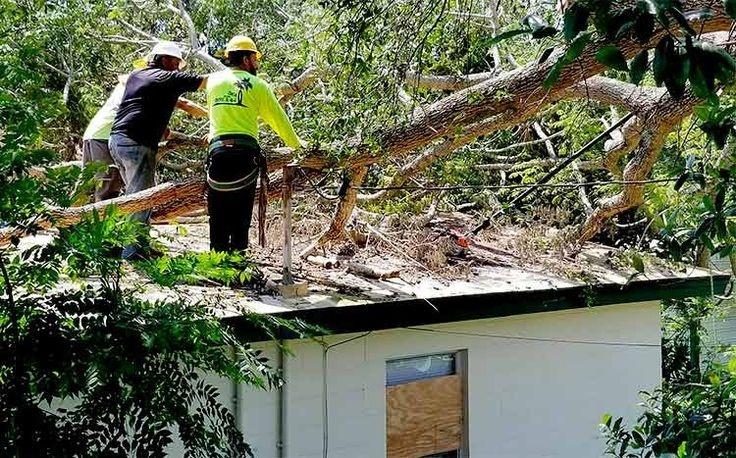
Trees that have fallen across roads, driveways, roofs, or walkways often need immediate attention. A partially uprooted tree can also be dangerous because it may continue to move or fall. Professional assessment is important in these cases.
The location of the tree matters too. A damaged tree close to a home, garage, business, or utility line may present a higher level of risk. A qualified tree service professional can inspect the damage and determine the safest course of action.
Emergency Tree Removal After Severe Weather
Severe storms can create urgent tree hazards at any time. A fallen tree may prevent people from entering or leaving a property. Large branches may also create immediate risks for families, customers, employees, or neighbors.
Storm-related hazards should be handled as soon as it is reasonably safe to do so. Property owners should avoid standing beneath damaged branches or attempting to cut large limbs without the right equipment and experience. Professional crews can assess the situation and work toward clearing dangerous trees and branches.
When you need Emergency Tree Removal, quick response can help reduce the chance of additional property damage. A professional crew can evaluate the tree, identify immediate hazards, and determine what needs to be removed first. This can be especially important when a tree has fallen near a structure or access point.
Signs That a Damaged Tree May Be Unsafe
A damaged tree can sometimes appear stable even when serious problems are present. Property owners should watch for large cracks in the trunk or major limbs. Split branches, exposed roots, loose bark, and a noticeable lean can also indicate structural issues.
Another warning sign is a sudden change in the tree's position. If the trunk has shifted after a storm, the roots may no longer be holding the tree securely. Soil movement around the base can also point to root damage.
Hanging branches deserve attention as well. Large broken limbs can remain suspended in the canopy and fall later. They may move during wind or become heavier after rain, increasing the risk of failure.
Professional service can also help with cleanup. After a tree is removed, the area may still contain large branches, wood pieces, and debris. Removing and organizing the debris leaves the property safer and easier to use.
Protecting Your Property After a Storm
After a storm, inspect your property from a safe distance. Look for fallen trees, damaged limbs, leaning trunks, exposed roots, and broken branches. Also check whether trees have affected fences, roofs, vehicles, sheds, or walkways.
Do not climb a damaged tree to inspect it. Avoid using ladders near unstable branches or attempting to cut large limbs yourself. Trees under tension can react unexpectedly when pressure is released.
Keep children and pets away from damaged areas until the situation has been assessed. If utility lines are involved, stay clear and contact the appropriate utility provider. Tree work near electrical lines requires special care and should not be treated like ordinary yard maintenance.
Preventive Tree Care Can Reduce Future Risks
Regular tree care can help identify weak or damaged areas before a major storm occurs. Pruning may reduce the weight of certain branches and remove dead or weak growth. Routine inspections can also help identify disease, decay, or structural concerns.
Tree maintenance should be based on the tree's species, age, location, and condition. Over-pruning can create other problems, so cuts should be planned carefully. A professional tree service can recommend an approach that fits the property's needs.
Property owners should also pay attention to trees that are growing too close to roofs, utility lines, or structures. Early attention may prevent a small concern from becoming a major emergency later.
What to Expect During Tree Removal?
The process usually begins with an inspection. The crew evaluates the tree, surrounding area, access points, and possible hazards. This helps determine the safest removal method.
Next, the tree is typically reduced in manageable sections. Branches may be removed before larger sections of the trunk are cut. The method depends on the tree's size, condition, and location.
After the tree is down, the crew can handle branches and debris. Depending on the service, stump work may also be available. Clearing the area properly helps restore safe access to the property.
Q1: Should I remove a tree immediately after a storm?
Not every damaged tree requires immediate removal. However, a tree that is leaning, uprooted, split, or threatening a structure should be assessed as soon as possible.
Q2: Can a storm-damaged tree be saved?
Sometimes it can. Trees with limited branch damage may recover with proper pruning and ongoing care. Severe trunk or root damage may make removal the safer choice.
Q3: Can I remove a large fallen tree myself?
Large trees and heavy branches can be dangerous to cut or move. Professional equipment and experience are often needed, especially when the tree is near buildings, vehicles, or utility lines.
Q4: How quickly should dangerous tree debris be removed?
Hazardous debris should be addressed as soon as practical. The longer unstable branches or trees remain in place, the greater the chance of additional damage.
Q5: What should I do if a tree falls near power lines?
Stay away from the area and do not touch the tree or branches. Contact the utility company and use qualified professionals for tree work once the area is safe.
Choosing Tree Care After a Storm
Choosing the right tree service starts with experience and proper planning. Look for a company that understands storm damage, tree structure, safe removal methods, and property protection. Clear communication also matters, especially when the situation requires urgent attention.
A professional crew should inspect the property before starting work. They should explain the condition of the tree and discuss the recommended removal or trimming process. This helps property owners understand what work is necessary.
It is also worth considering cleanup and follow-up care. Removing the immediate hazard is only part of restoring the property. Proper cleanup and future maintenance can help keep the surrounding area safer.
Conclusion
Storm-related tree problems can develop quickly and create serious risks for people and property. Damaged limbs, unstable trunks, and uprooted trees should be evaluated carefully rather than handled without proper preparation. Prompt professional attention can help control hazards and restore access to your property.
For property owners in Elgin, IL, and surrounding areas, Top Of The Line Tree Care Inc provides professional tree care services for storm-related hazards and urgent tree problems. Their experience can help property owners address damaged trees with appropriate planning, careful removal, and proper cleanup.




 English
 Arabic
 French
 Spanish
 Portuguese
 Turkish
 Dutch
Dutch
 Italiano
 Russian
 Romaian
 Portuguese (Brazil)
 Greek
Greek