


Optimizing Fludarabine Phosphate Synthesis: A Strategic Imperative for Chemical Industry Companies
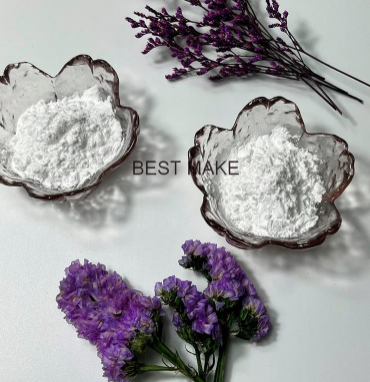
This article examines the process optimization of fludarabine phosphate synthesis, covering raw material pretreatment, reaction condition control, purification methods, and safety considerations. It highlights how innovative chemical industry companies leverage advanced technologies to improve yield, purity, and manufacturing efficiency.
Introduction: The Synthesis Challenge
Fludarabine phosphate, a key antimetabolite antitumor drug, requires meticulous process control to achieve high yield and purity. Its synthesis involves multiple steps, where by-product formation is a persistent challenge. Leading chemical industry companies recognize that optimizing reaction selectivity directly impacts production costs and drug quality. A well-designed process can achieve yields above 81% and purity exceeding 99.9%, demonstrating the critical importance of systematic optimization.
Raw Material Pretreatment: The Foundation of Quality
Starting material quality fundamentally determines synthesis success. For fludarabine phosphate, 2,6-diaminopurine derivatives must undergo rigorous purification to remove metal ions and impurities. Chemical industry companies implementing strict quality control at this stage prevent unwanted side reactions that would compromise final product purity. Advanced analytical methods like HPLC ensure only compliant materials proceed to subsequent steps, establishing a robust foundation for high-purity synthesis.
Reaction Optimization: Controlling Selectivity
The phosphorylation reaction requires precise control of temperature, phosphorus oxychloride stoichiometry, and reaction time. Chemical industry companies have identified that maintaining temperatures between -5°C and -10°C suppresses degradation side reactions, while the optimal phosphorus oxychloride-to-fludarabine ratio is approximately 1:1. Reaction time must be carefully controlled—prolonged exposure increases impurities, with 12 hours identified as optimal. These parameters directly influence both yield and HPLC purity.
Purification: Achieving Pharmaceutical-Grade Purity
Crude fludarabine phosphate requires sophisticated purification to meet stringent pharmaceutical standards. Crystallization from water/acetone systems has proven effective, with pH adjustment to 2-3 facilitating recrystallization. Innovative chemical industry companies have developed methods achieving 99.95% purity with yields exceeding 81%. Temperature control during crystallization is critical—temperatures above 60°C risk fluorine substitution by hydroxyl groups, while cooling rates affect crystal size and impurity inclusion.
Safety and Stability in Manufacturing
Post-purification handling demands careful attention to stability and safety. Vacuum drying at moderate temperatures preserves product integrity, with crystallized salts like the disodium form offering enhanced stability during storage. Chemical industry companies implement closed-system processing to contain dust and manage solvent emissions. The availability of stable precursor salts enables flexible manufacturing while maintaining product quality. Process verification across multiple batches confirms the commercial viability of optimized routes.

 English
 Arabic
 French
 Spanish
 Portuguese
 Deutsch
 Turkish
 Italiano
 Russian
 Romaian
 Portuguese (Brazil)
 Greek
Greek