


Recovery Timeline: What to Expect After a Dubai Tummy Tuck
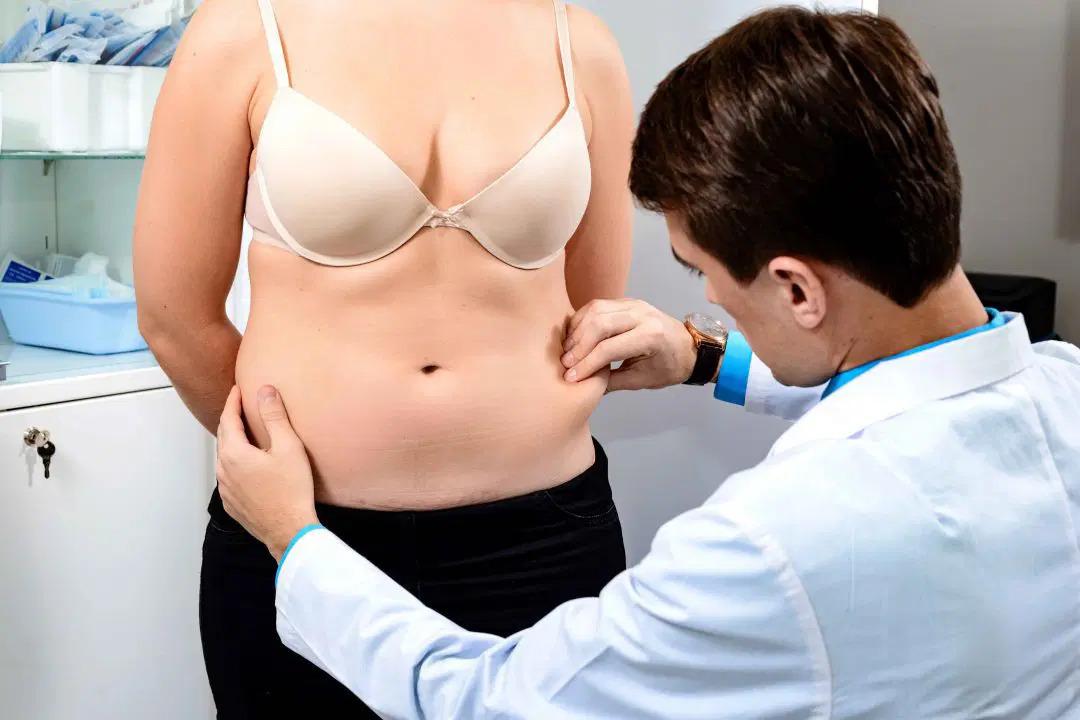
A tummy tuck, medically known as abdominoplasty, is a surgical procedure designed to improve the contour of the abdomen by removing excess skin and fat and, when appropriate, repairing weakened abdominal muscles. Although the procedure can create a flatter and firmer abdominal profile, the recovery period is an essential part of the overall journey.
For people considering Tummy tuck dubai or abdominoplasty dubai, understanding the recovery timeline can make it easier to prepare for the weeks following surgery. Recovery does not happen overnight. Swelling, tightness, changes in mobility, and gradual improvement are all part of the healing process.
Dr. Matteo Vigo's published patient information explains that walking may begin shortly after surgery, while strenuous activity and heavy lifting are restricted during the early healing period. His guidance also notes that swelling can remain for several months and that final results may become apparent over approximately three to six months.
The exact timeline varies according to the surgical technique, the extent of correction, the patient's overall health, and individual healing response. Therefore, the surgeon's personalized instructions should always take priority.
What Is a Tummy Tuck?
A tummy tuck is a body-contouring procedure that addresses excess abdominal skin and, in suitable patients, weakened abdominal muscles. During a full abdominoplasty, the surgeon may make a lower abdominal incision, repair the abdominal wall when indicated, remove excess tissue, reposition the navel, and close the surgical area.
The procedure is different from weight-loss surgery. Its purpose is to improve abdominal contour rather than serve as a substitute for weight management or regular exercise.
People may consider abdominoplasty after significant weight changes, pregnancy, or other circumstances that have left them with loose abdominal skin or weakened abdominal tissues.
Why Recovery Planning Matters
Recovery planning should begin before surgery. A tummy tuck can temporarily affect mobility, lifting ability, work routines, exercise, and household responsibilities.
The American Society of Plastic Surgeons recommends arranging transportation after surgery and having someone available to assist during the first night when the procedure is performed on an outpatient basis.
Preparing ahead can include:
- Organizing transportation
- Arranging help at home
- Preparing comfortable clothing
- Creating a convenient resting area
- Preparing easy-to-eat meals
- Organizing prescribed medications
- Taking appropriate time away from work
- Arranging childcare if necessary
A well-organized recovery environment can make the first several days considerably easier.
The First 24 Hours After Abdominoplasty
The first day is generally focused on rest, observation, and following the surgical team's instructions.
After surgery, the abdomen may be covered with dressings and supported with a compression garment or abdominal support. Temporary drains may also be used to remove excess fluid from the surgical area. The American Society of Plastic Surgeons explains that patients receive specific instructions concerning incision care, drains, medications, and follow-up appointments.
You may notice:
- Abdominal tightness
- Swelling
- Tenderness
- Limited mobility
- Fatigue
- Difficulty standing completely upright
Dr. Matteo Vigo's published patient guide states that the abdomen can feel tight after surgery and recommends walking beginning the day after surgery, while strenuous activity and heavy lifting remain restricted.
Days 2 to 7: The Early Healing Stage
During the first week, the primary objective is to allow the body to begin healing while gradually introducing gentle movement.
Walking is generally encouraged according to the surgeon's instructions. The American Society of Plastic Surgeons notes that movement after surgery can be part of recovery, while activity levels should be guided by the surgeon.
You may still experience:
- Swelling around the abdomen
- Bruising
- Tightness
- Reduced energy
- Difficulty bending
- Temporary changes in sensation
Do not expect to feel completely normal during this stage. The body is still adapting to the surgical changes.
Dr. Matteo Vigo's patient information states that patients are commonly reviewed within several days after surgery and that drains may be removed according to the amount of fluid being produced.
Week 1: Focus on Rest and Gentle Movement
The first week is not the time to resume a busy lifestyle.
Gentle movement around the home can be beneficial when permitted, but activities requiring bending, lifting, pushing, or pulling should be avoided unless specifically approved by your surgical team.
Your surgeon may also recommend sleeping in a particular position to reduce tension across the abdomen. Follow the specific positioning instructions provided for your procedure.
Dr. Matteo Vigo's published recovery guidance emphasizes taking adequate downtime, maintaining a relaxed schedule, and staying committed to the healing process.
Week 2: Gradual Improvement
By the second week, many patients begin to feel more comfortable and mobile, although recovery is still underway.
The American Society of Plastic Surgeons notes that some patients may be able to return to work and light daily activities after approximately two weeks, depending on their individual circumstances and the nature of their work.
A desk-based job may allow an earlier return than physically demanding employment. Jobs involving lifting, prolonged standing, bending, or repetitive movement may require additional time away.
Even if you feel better, this does not necessarily mean the internal healing process is complete.
Weeks 3 to 4: Building Back Into Your Routine
During weeks three and four, daily movement may become easier. However, strenuous exercise and heavy lifting should remain restricted until your surgeon gives you permission.
Dr. Matteo Vigo's published patient information advises limiting heavy lifting and strenuous activity during the early recovery period.
At this stage, patients may notice that:
- Swelling is gradually decreasing
- Walking becomes easier
- Abdominal tightness begins to improve
- Daily tasks require less effort
- Energy levels are returning
The recovery process remains individual, so one patient's week-four experience may look very different from another's.
Around Week 4 to Week 6: Returning to More Activities
Many patients gradually resume more of their usual activities during this period, subject to medical clearance.
The American Society of Plastic Surgeons describes a general timeline in which most usual activities may become possible around week four, with more strenuous exercise potentially resuming around week six when the surgeon approves it.
This does not mean every patient should automatically follow a six-week schedule. The extent of surgery matters. A more extensive abdominoplasty can require a longer recovery than a smaller procedure.
Dr. Matteo Vigo's published guidance similarly emphasizes that strenuous activity and heavy lifting should be limited during the healing period.
Around Week 6 to Week 8: A More Normal Routine
By approximately six to eight weeks, many patients feel substantially closer to their normal routines.
The American Society of Plastic Surgeons reports that many patients begin feeling more normal around the eight-week point, although recovery varies according to factors such as age, general health, surgical technique, and postoperative care.
At this stage, your surgeon may gradually clear you for:
- More demanding exercise
- Increased daily activity
- Longer walks
- Normal work routines
- Additional physical activities
Clearance should be based on your actual healing rather than the calendar alone.
Months 2 to 3: Swelling Continues to Settle
One of the most important things to understand about Tummy tuck dubai recovery is that visible healing and complete healing are not the same thing.
Even after you return to many normal activities, some swelling may remain. Dr. Matteo Vigo's patient guide states that swelling can continue during the first two to three months after surgery.
The abdominal contour may therefore continue changing during this stage.
Patients may notice:
- A progressively flatter abdominal profile
- Less postoperative swelling
- Improving scar appearance
- Better mobility
- Gradual return of sensation
- Greater comfort during physical activity
Patience remains important because the final appearance develops progressively.
Months 3 to 6: Seeing the Developing Final Result
According to Dr. Matteo Vigo's published abdominoplasty patient guide, final results are typically seen around three to six months after surgery.
The American Society of Plastic Surgeons similarly explains that final tummy tuck results can initially be obscured by swelling and that healing continues as swelling decreases and internal tissues heal.
During this stage, the abdomen may look increasingly refined and natural as postoperative changes settle.
However, individual healing can continue beyond six months, particularly when considering scar maturation.
Scar Healing After Abdominoplasty
Scarring is an expected part of a surgical procedure. The location and length of the scar depend on the type of abdominoplasty and the amount of tissue removed.
A full tummy tuck generally produces a lower abdominal scar, and a scar around the navel may also be present when the navel is repositioned.
The appearance of scars changes gradually.
Initially, a scar may appear more prominent. Over subsequent months, it can become softer and less noticeable. The American Society of Plastic Surgeons notes that tummy tuck scars can take several months to approximately a year to fade as much as they will.
Follow your surgeon's instructions regarding scar care and avoid applying products to healing incisions without professional guidance.
Managing Postoperative Swelling
Swelling is one of the most noticeable parts of tummy tuck recovery.
Compression garments may be recommended to support the abdomen and help manage postoperative swelling. The American Society of Plastic Surgeons states that patients may be wrapped in an elastic bandage or compression garment following surgery to minimize swelling and support the abdomen during healing.
The duration of compression garment use varies. Dr. Matteo Vigo's published materials provide specific recommendations for abdominal support following abdominoplasty.
Do not stop using a prescribed garment early simply because swelling appears improved. Follow your surgeon's instructions.
Walking During Tummy Tuck Recovery
Walking is an important part of many postoperative recovery plans.
It does not mean exercising intensely. Instead, short and gentle walks can allow you to gradually reintroduce movement.
Dr. Matteo Vigo's patient guide states that walking is permitted from the day after surgery, while strenuous activity remains restricted.
Your surgical team may adjust the walking schedule according to your individual circumstances.
When Can You Return to Exercise?
Exercise should be reintroduced gradually.
The American Society of Plastic Surgeons' general tummy tuck guidance suggests that more strenuous exercise may be resumed around six weeks when approved by the surgeon.
However, abdominal exercises deserve particular attention because they directly engage the muscles and tissues involved in the procedure.
Avoid independently deciding when to restart:
- Sit-ups
- Crunches
- Heavy weight training
- High-impact workouts
- Intense abdominal exercises
- Heavy lifting
Your surgeon should determine when these activities are appropriate.
Returning to Work After Abdominoplasty
The time needed away from work depends heavily on the type of job you have.
Someone working remotely or at a desk may return earlier than a person whose work involves physical labor.
Dr. Matteo Vigo's published material emphasizes allowing sufficient downtime and avoiding returning to work too early.
When planning your abdominoplasty dubai recovery, consider not only the number of days away from work but also whether your job requires:
- Lifting
- Bending
- Standing for long periods
- Walking extensively
- Driving
- Physical exertion
Discuss your job requirements with your surgeon before setting a return-to-work date.
Taking Care of Your Incisions
Incision care is an essential part of recovery.
Your surgical team will explain:
- How to clean the area
- When you can shower
- How to manage dressings
- How to care for drains
- When dressings can be changed
- When follow-up appointments occur
- When scar-care products can be introduced
The American Society of Plastic Surgeons recommends following specific instructions for surgical-site and drain care after tummy tuck surgery.
Do not pick at scabs or place unapproved products on healing incisions.
Nutrition and Hydration During Recovery
A balanced diet and adequate hydration can support general recovery.
Patients can focus on nutritious meals containing appropriate amounts of protein, vegetables, fruits, whole grains, and other nutrient-dense foods. Adequate fluid intake is also important unless your medical team has given you different instructions.
If medications affect appetite, digestion, or hydration, discuss the issue with your healthcare provider.
Sleeping Comfortably After a Tummy Tuck
Sleeping may feel different during the first several weeks because the abdominal area can feel tight.
Your surgeon may recommend sleeping with the upper body and knees positioned in a way that reduces tension across the abdomen. The exact position should be based on your surgeon's instructions.
Having supportive pillows available before surgery can make the transition easier.
Why You Should Avoid Rushing Recovery
A common mistake during recovery is becoming active too quickly because you feel better.
Feeling energetic does not necessarily mean that internal tissues have completed healing. The American Society of Plastic Surgeons emphasizes that incisions should not be exposed to excessive force, motion, swelling, or abrasion while they heal.
A gradual approach allows your body time to adapt.
Recovery is not a competition. Taking additional time when your surgeon recommends it can be more appropriate than trying to meet an arbitrary deadline.
How the Type of Tummy Tuck Can Affect Recovery
Not every abdominoplasty is the same.
Patients may undergo different approaches, including:
- Full tummy tuck
- Mini tummy tuck
- Extended tummy tuck
The extent of tissue removal and abdominal correction can affect the recovery period.
The American Society of Plastic Surgeons notes that a more extensive tummy tuck may require a longer recovery than a procedure involving a smaller area.
During consultation, your surgeon can explain which approach is appropriate for your anatomy and aesthetic goals.
The Role of Dr. Matteo Vigo in Abdominoplasty Care
Patients researching abdominoplasty dubai may encounter Dr. Matteo Vigo as a Dubai-based plastic surgeon whose published educational materials provide information about tummy tuck procedures and recovery.
His patient guide explains that postoperative walking can begin early, heavy lifting and strenuous activity are restricted during the initial recovery period, abdominal support may be used, and swelling can continue for several months.
His published recovery guidance also emphasizes preparation, adequate downtime, communication with the surgeon, and patience throughout the healing process.
Patients should discuss their individual circumstances directly with their plastic surgeon because recovery recommendations can differ from one procedure and patient to another.
When to Contact Your Surgical Team
Patients should know how to communicate with their surgical team throughout recovery.
Contact your surgeon promptly if you experience symptoms that concern you or changes that do not match the postoperative instructions you were given.
Your surgical team should provide specific information about what to monitor, including incision changes, drainage, medications, and general health concerns. The American Society of Plastic Surgeons recommends asking your surgeon what specific concerns should prompt contact during recovery.
If you experience a severe or urgent medical problem, seek appropriate medical attention promptly.
Tips for a Smoother Tummy Tuck Recovery
A few practical habits can make the recovery period easier:
- Follow every postoperative instruction carefully.
- Arrange help for the first several days.
- Walk gently when your surgeon permits it.
- Wear the recommended compression garment.
- Avoid heavy lifting until cleared.
- Do not restart intense exercise independently.
- Maintain nutritious meals and adequate hydration.
- Protect your incisions.
- Attend scheduled follow-up appointments.
- Give swelling sufficient time to settle.
- Avoid judging your final result during the first few weeks.
- Communicate with your surgical team whenever you have concerns.
When Can You Expect Your Final Tummy Tuck Results?
The visible improvement in abdominal contour may become apparent relatively early, but the final appearance develops gradually.
The American Society of Plastic Surgeons notes that swelling can initially obscure the final result, while Dr. Matteo Vigo's published patient guide indicates that final results are typically seen around three to six months after abdominoplasty.
Scar maturation continues even longer. According to the American Society of Plastic Surgeons, tummy tuck scars may continue fading for approximately a year.
Therefore, patients should think of recovery as a progression rather than a single date when healing suddenly ends.
Conclusion
A tummy tuck can significantly change the abdominal contour, but achieving the best possible outcome involves more than the operation itself. Recovery requires patience, careful aftercare, gradual activity, appropriate compression, incision care, follow-up appointments, and close communication with the surgical team.
For patients considering Tummy tuck dubai, the first week is generally focused on rest and gentle movement, the following weeks involve progressively increasing daily activities, and the subsequent months allow swelling to settle and scars to mature. For those exploring abdominoplasty dubai, understanding this gradual timeline can help establish realistic expectations and encourage better preparation.
Dr. Matteo Vigo's published abdominoplasty guidance highlights the importance of early walking, temporary restrictions on strenuous activity and heavy lifting, abdominal support, and allowing several months for swelling and final results to develop.
Ultimately, every recovery is individual. Your plastic surgeon's instructions should remain the primary guide throughout the healing process, and any questions or unexpected changes should be discussed directly with your medical team.

 English
 Arabic
 French
 Spanish
 Portuguese
 Deutsch
 Turkish
 Dutch
Dutch
 Italiano
 Russian
 Romaian
 Greek
Greek