


Industrial Connection Protection for Demanding Environments
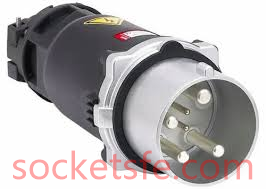
Industrial electrical connections may be exposed to conditions that require greater attention to enclosure design and installation than ordinary indoor applications. Outdoor work areas, construction sites, workshops, service facilities, and production environments can involve moisture, dust, physical contact, and repeated equipment handling. When evaluating an IP67 Industrial Plug, buyers should consider the complete application, including the surrounding environment, equipment compatibility, installation method, and maintenance requirements.
Enclosure construction is an important part of electrical connection design. The outer housing needs to provide an appropriate structure around internal components while remaining practical for installation and routine handling. Cable entry arrangements, connection interfaces, sealing areas, and housing joints can all influence the way the finished component integrates into an electrical system.
Material selection should also correspond with the intended working conditions. Housing materials provide physical support, while insulating and conductive materials serve their own electrical functions. Sealing components may also form part of the overall enclosure structure. Selecting materials according to their roles and the surrounding environment can contribute to consistent construction during normal operation.
Environmental assessment should come before product selection. Outdoor installations may encounter rain, humidity, airborne particles, and changing weather conditions. Industrial interiors can also involve dust, cleaning moisture, vibration, or frequent equipment movement. These conditions should be evaluated together with the installation location and expected handling frequency so that the selected connection component is appropriate for the application.
Installation quality remains essential even when a connection is designed for demanding environments. Qualified personnel should install electrical components according to applicable requirements and equipment instructions. Cable preparation, terminal fastening, mounting, sealing, and strain management should all be handled correctly. The surrounding installation should also avoid exposing the connection to conditions beyond its intended application.
Routine inspection can support effective maintenance. Industrial electrical accessories may experience repeated connection cycles, physical contact, and environmental exposure. Maintenance personnel can check the housing, connection interface, cable entry, and surrounding components for visible damage, looseness, contamination, or other concerns. Regular inspection can help identify issues that may require attention before they affect normal equipment use.
Different industries have different environmental requirements. Construction areas may involve portable equipment and changing locations. Outdoor service facilities can expose electrical accessories to weather conditions. Manufacturing plants may have machinery operating in areas with dust or moisture. Workshops may also involve frequent movement of tools and equipment. The connection component should therefore be selected according to the actual conditions of the workplace.
Handling is another practical consideration. Workers may need to connect equipment while wearing protective gloves or working in restricted areas. A suitable grip and clear structure can make routine tasks more manageable. However, environmental protection does not replace safe operating procedures, and electrical connections should always be handled according to appropriate workplace requirements.
Compatibility should be verified before purchasing. Buyers should confirm that the plug corresponds with the associated receptacle, equipment, cable arrangement, and installation method. Environmental protection characteristics should also be considered in relation to the complete electrical system. This prevents the selection process from focusing on one feature while overlooking other important application requirements.
Manufacturing consistency is valuable when industrial connection components are purchased in quantity. Consistent housing construction, sealing interfaces, terminal positioning, and assembly procedures can help maintain uniform product characteristics. Production inspection can support this consistency by monitoring assembly quality and identifying potential variations during manufacturing.
A protected electrical connection should always be selected according to the conditions in which it will actually operate. Environmental exposure, enclosure construction, installation quality, equipment compatibility, handling practices, and maintenance all contribute to suitability. Businesses comparing professional connection solutions can review the information available through https://www.socketsfe.com when evaluating an IP67 Industrial Plug for demanding industrial and outdoor applications.

 English
 Arabic
 French
 Spanish
 Deutsch
 Turkish
 Dutch
Dutch
 Italiano
 Russian
 Romaian
 Portuguese (Brazil)
 Greek
Greek