


LED Light Therapy: A Modern Approach to Wellness and Skincare
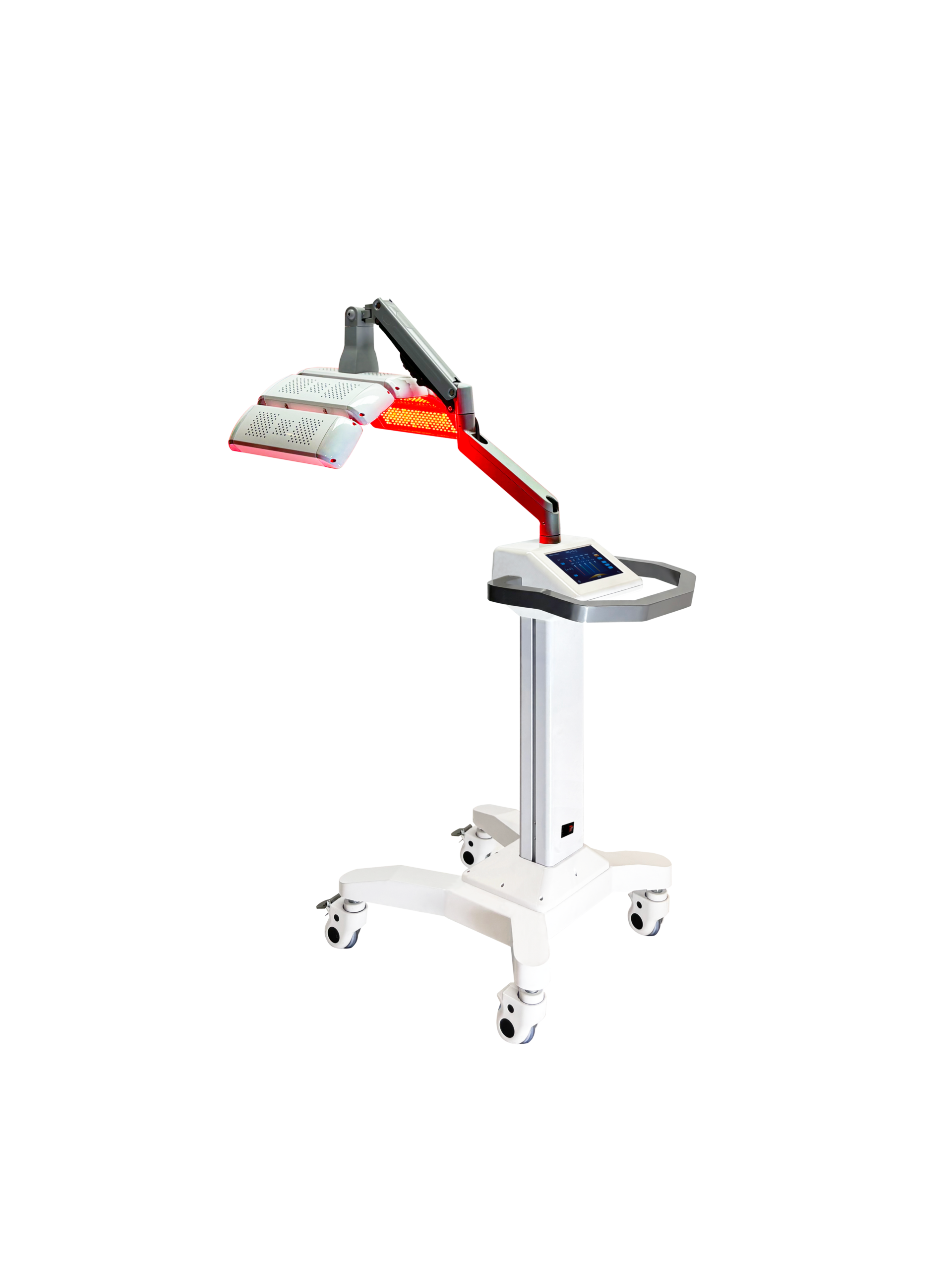
Technology continues to change the way people approach personal wellness and skincare. Among the newer options gaining attention, LED light therapy offers a convenient, non-invasive approach that uses controlled light from LED devices. With different device formats and wavelengths available, it can be incorporated into a variety of modern wellness and beauty routines.
What Is LED Light Therapy?
LED light therapy uses light-emitting diodes to deliver specific wavelengths of light to the skin or selected areas of the body. Different wavelengths can be used for different applications, with red and near-infrared light commonly featured in many wellness devices.
Unlike invasive procedures, LED light therapy does not involve needles or surgery. Devices can be designed for home use or professional environments, depending on their specifications and intended purpose.
Common formats include LED panels, flexible pads, wearable belts, masks, and handheld devices. This variety gives users the flexibility to select equipment that fits their routine and preferred treatment area.
Why Choose LED Technology?
One of the key advantages of LED technology is its ability to provide consistent light output. Modern devices can be engineered with specific wavelengths, intensity levels, and treatment settings to create a controlled user experience.
LED systems can also be energy-efficient and durable. This makes them suitable for devices intended for repeated use in homes, beauty clinics, wellness centers, and other professional environments.
The choice of device often depends on coverage requirements. A handheld unit may be suitable for targeted areas, while a larger panel can provide broader coverage.
Applications of LED Light Therapy
LED light therapy is commonly associated with skincare and wellness applications. Consumers may incorporate light-based devices into personal beauty routines, while professional businesses can use specialized equipment as part of their service offerings.
Different device designs allow users to select products according to their needs. Flexible pads and wearable products can provide targeted positioning, while larger panels can be useful when broader coverage is desired.
Users should always follow the manufacturer's instructions and understand the intended use of their selected device.
Choosing the Right LED Device
Before purchasing an LED light therapy product, buyers should carefully examine its specifications. Important factors may include wavelength, light intensity, LED quantity, treatment area, operating modes, timer settings, power source, and construction quality.
Comfort and convenience should also be considered, especially for products intended for regular use. A device that is easy to operate, clean, store, and maintain can fit more naturally into a daily or weekly routine.
Professional buyers should additionally evaluate manufacturing quality, product consistency, technical support, customization capabilities, and production capacity.
A Convenient Addition to Modern Wellness
LED technology continues to offer new possibilities for people interested in light-based wellness solutions. With different device formats and controlled light settings available, LED light therapy can be adapted to various personal and professional environments.
Whether you are a home user, beauty professional, wellness business, or product distributor, choosing suitable equipment is an important step. By comparing technical specifications, design, coverage, and build quality, users can select an LED light solution that matches their intended application.

 English
 Arabic
 French
 Spanish
 Portuguese
 Deutsch
 Dutch
Dutch
 Italiano
 Russian
 Romaian
 Portuguese (Brazil)
 Greek
Greek