


Mini Yarn Skeins: Understanding Their Uses, Characteristics, and Care
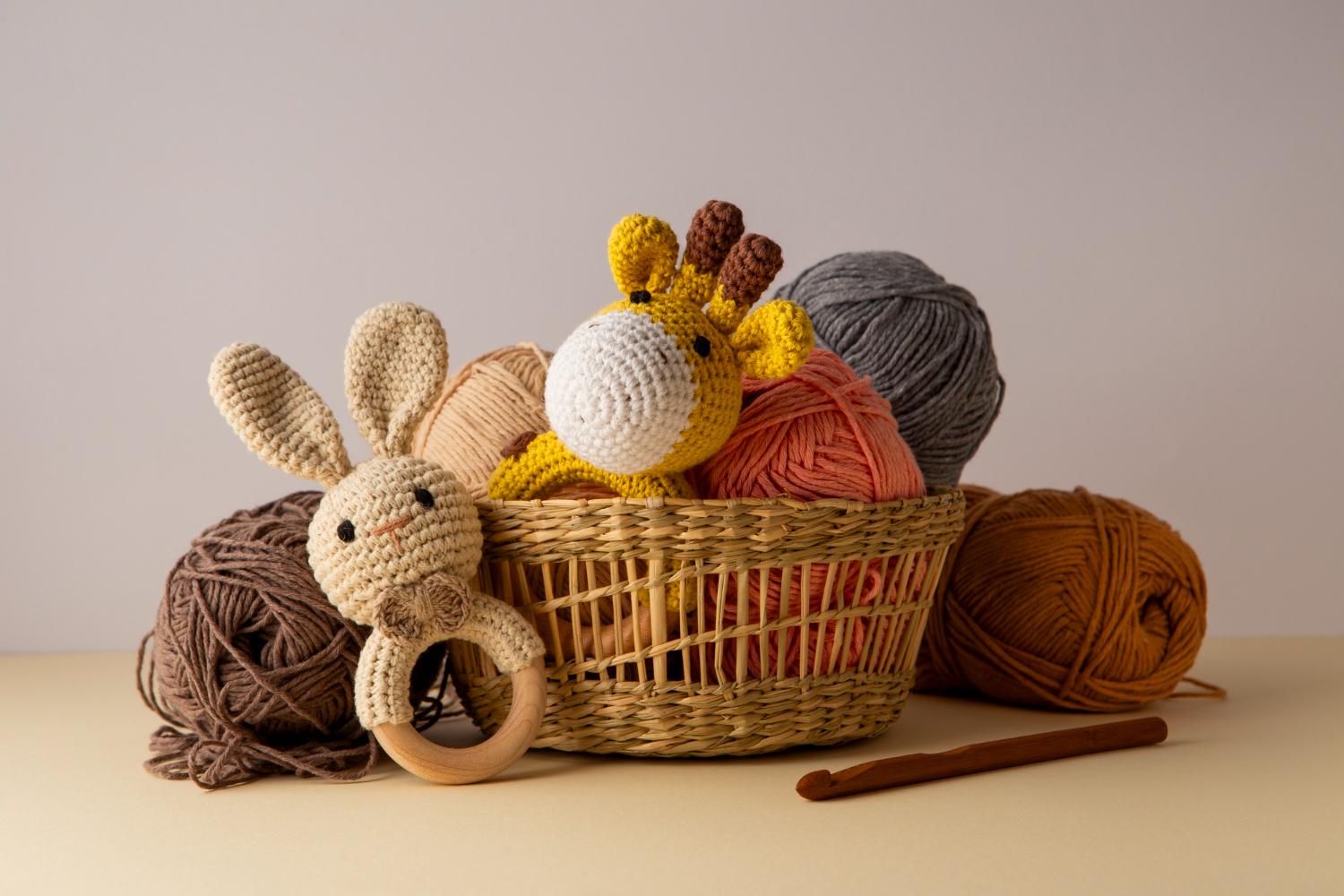
Mini yarn skeins are small quantities of yarn prepared in compact skeins for knitting, crochet, weaving, embroidery-related textile work, and other fiber crafts. Their smaller size distinguishes them from standard yarn skeins and makes them useful when a project requires limited amounts of particular colors or fibers. Mini yarn skeins can be produced from many different materials and yarn weights, so their characteristics depend on more than their compact format.
For fiber artists, understanding mini yarn skeins involves considering their yardage, weight, fiber content, color, construction, and intended application. These factors determine how much yarn is available and how it behaves in a finished textile.
What Are Mini Yarn Skeins?
Mini yarn skeins are smaller versions of conventional yarn skeins. They contain less yarn by weight or length, although the exact amount can vary. There is no universal size that applies to every mini skein, and the available yardage depends on the yarn weight and fiber.
A lightweight yarn may provide more yards in the same physical weight than a thicker yarn. For example, a small skein of fine yarn can contain substantially more length than a similarly sized skein of bulky yarn.
Mini yarn skeins may be wound or twisted into compact forms that keep the yarn organized. Labels can provide information such as fiber content, yarn weight, color, and yardage.
Why Mini Yarn Skeins Are Used
The primary function of mini yarn skeins is to provide smaller quantities of yarn for projects that do not require a full skein of every color. Many knitting and crochet patterns use several shades in relatively small amounts.
Colorwork is one common application. A textile may require a main color accompanied by several contrasting colors, with only a small amount of each secondary shade needed. Mini yarn skeins can correspond to these smaller requirements.
They can also be used for decorative sections, stripes, borders, motifs, and other details where only limited yardage is necessary.
Mini Yarn Skeins for Colorwork
Mini yarn skeins can be particularly relevant to multicolor projects. When multiple shades are used, each color can be allocated to a specific part of the design.
In knitting, they may be incorporated into stranded patterns, stripes, geometric designs, and other forms of colorwork. In crochet, they can be used for motifs, squares, borders, and decorative sections.
The final appearance depends on how the colors interact with the stitch pattern. A shade that appears dominant in a skein may occupy only a small portion of the completed item.
Color arrangement also affects visual balance. Similar shades can create subtle transitions, while contrasting colors can produce more defined patterns.
Fiber Types in Mini Yarn Skeins
Mini yarn skeins are available in many fiber types. Wool is commonly used because of its warmth, elasticity, and ability to hold certain forms of color. Cotton has different characteristics, including a relatively firm structure and absorbent nature.
Other natural fibers, such as alpaca, silk, and linen, can also be used. Synthetic fibers and blended yarns provide additional combinations of texture, durability, elasticity, and care requirements.
The fiber content should therefore be considered separately from the size of the skein. Two mini yarn skeins with similar yardage can behave differently because they are made from different materials.
Yarn Weight and Yardage
Yarn weight is important when working with mini yarn skeins because it affects both the fabric and the amount of yarn required. Fine yarns generally provide greater yardage per ounce than thicker yarns, while bulky yarns use more material to cover the same area.
Before starting a project, the available yardage can be compared with the pattern requirements. This is particularly important when a color appears repeatedly throughout a design.
Small differences in yardage can become significant when a project contains many color changes. Keeping track of yarn usage can help determine whether the available quantity is sufficient.
Combining Mini Yarn Skeins
Mini yarn skeins can be combined with one another or with larger skeins when their characteristics are compatible. Matching yarn weight helps maintain a consistent gauge and fabric structure.
Fiber content can also influence the finished result. Combining yarns with significantly different elasticity, texture, or washing requirements may produce uneven results.
Color relationships are another consideration. Mini yarn skeins can be arranged according to contrasting, complementary, or closely related shades. The arrangement can influence the overall appearance of the finished textile.
Storing Mini Yarn Skeins
The compact size of mini yarn skeins makes organization an important part of storage. Skeins can be separated according to color, fiber, yarn weight, or project.
Keeping labels attached helps preserve information about the yarn. Without the original label, identifying the exact fiber content or yardage can become difficult.
Natural-fiber mini yarn skeins should generally be stored in clean, dry conditions. Protecting them from excessive moisture, dust, and prolonged exposure to unsuitable temperatures can help maintain their condition.
Caring for Projects Made With Mini Yarn Skeins
Care depends on the fiber rather than the size of the skein. Wool and other animal fibers may require gentle washing to reduce the risk of shrinkage or felting. Cotton and synthetic fibers can have different cleaning requirements.
When several fiber types are combined in one project, the most restrictive care requirement may determine how the finished item should be washed and dried.
Color can also influence care. Highly saturated yarns may release some excess dye during washing, particularly during the first few washes. Following appropriate care instructions can help preserve the colors and structure of the finished textile.
Understanding Mini Yarn Skeins
Mini yarn skeins provide smaller quantities of yarn for projects that require limited yardage, multiple colors, or detailed sections. Their size makes them particularly relevant to colorwork, decorative patterns, small accessories, and mixed-color textile projects.
However, the size of a skein does not determine its fiber characteristics or performance. Yarn weight, fiber content, construction, yardage, and color all contribute to how mini yarn skeins behave.
By considering these characteristics together, fiber artists can better understand how mini yarn skeins fit into different knitting, crochet, and textile applications. Their compact format makes them distinct from standard skeins while retaining the same fundamental qualities associated with the underlying yarn.

 English
 Arabic
 French
 Spanish
 Portuguese
 Deutsch
 Turkish
 Dutch
Dutch
 Italiano
 Russian
 Romaian
 Greek
Greek