


Florida Uncontested Divorce: Understanding the Process and Requirements
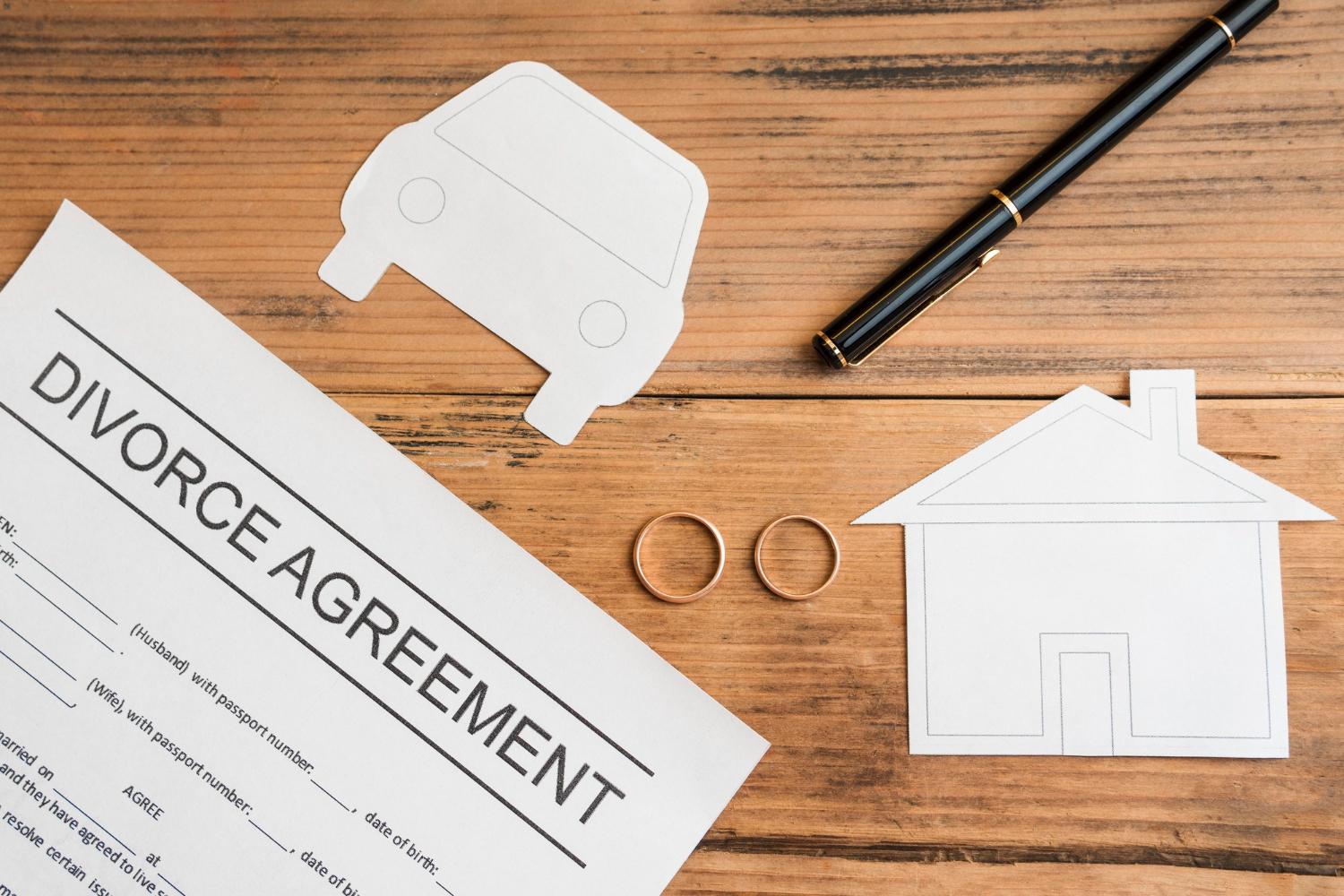
A Florida uncontested divorce is a dissolution of marriage in which the spouses reach an agreement on the issues that must be resolved before the marriage can be legally dissolved. Unlike a contested divorce, an uncontested case generally does not require the court to decide disputed matters between the spouses. However, the case still has to follow Florida's legal and court procedures.
The process can vary depending on whether the spouses have minor or dependent children, own property together, have shared debts, or have questions involving financial support. Understanding these differences is important when considering a Florida uncontested divorce.
What Is a Florida Uncontested Divorce?
In an uncontested divorce, both spouses generally agree that the marriage should end and have reached an agreement concerning the relevant issues. These matters can include the division of marital assets and liabilities, alimony, parenting arrangements, and child support when children are involved.
Florida law provides that a dissolution of marriage may be granted when the marriage is irretrievably broken, subject to the requirements established by law.
An uncontested divorce does not mean that there are no legal requirements. The spouses must still submit the appropriate documents, satisfy residency requirements, complete required procedures, and obtain a final judgment from the court.
Florida Residency Requirement
One of the basic requirements for a Florida divorce concerns residency. Florida Statutes provide that at least one spouse must have resided in Florida for six months before the petition for dissolution is filed.
Proof of residency may be required as part of the case. This requirement applies to uncontested cases as well as contested divorce proceedings.
Therefore, agreement between the spouses alone does not establish eligibility for a Florida divorce. The residency requirement must also be satisfied.
Simplified Dissolution of Marriage
Some uncontested divorces may qualify for Florida's simplified dissolution procedure. Florida's official court forms provide a Joint Petition for Simplified Dissolution of Marriage for qualifying couples.
The simplified procedure has specific requirements. According to the instructions for the current form, both spouses must agree that the marriage cannot be saved. They must also have no minor or dependent children together, certain conditions concerning children born during the marriage must be satisfied, and the spouses must have resolved how their assets and liabilities will be divided. Neither spouse can be seeking alimony from the other.
Both spouses also participate in the simplified process. If the requirements are not satisfied, a different dissolution procedure may be necessary.
Regular Uncontested Divorce
Not every uncontested divorce qualifies for simplified dissolution. A regular dissolution process may apply when the spouses have minor or dependent children, have property or debts that require documentation, or have other circumstances that do not meet the simplified requirements.
Florida's family law forms include separate petitions for dissolution involving dependent or minor children, property without dependent or minor children, and cases involving neither dependent or minor children nor property.
An uncontested case can therefore follow the regular dissolution process even when both spouses agree on all major issues.
Property and Debt Division
Financial matters are an important part of many Florida uncontested divorces. Spouses may need to agree on the division of marital assets and liabilities.
Assets can include real estate, bank accounts, vehicles, investments, retirement interests, and other property. Liabilities can include mortgages, loans, credit-card balances, and other marital debts.
Florida's family law forms include marital settlement agreements for different types of dissolution cases. The available forms distinguish between cases involving dependent or minor children, cases involving property without such children, and simplified dissolution cases.
An agreement should clearly address the financial matters that need to be resolved rather than leaving significant issues uncertain.
Divorce Cases Involving Children
When minor or dependent children are involved, an uncontested divorce requires attention to additional matters. These can include parental responsibility, time-sharing, child support, and parenting arrangements.
Florida's family law forms include a Uniform Child Custody Jurisdiction and Enforcement Affidavit, Child Support Guidelines Worksheet, financial affidavits, and a marital settlement agreement specifically for dissolution cases involving dependent or minor children.
Even when parents agree, required documents must still be completed and submitted according to the applicable procedures. An agreement concerning children is also subject to the court's legal requirements.
Financial Disclosure
Financial information can be important in an uncontested divorce, particularly when issues involving property, debts, alimony, or child support must be addressed.
Florida's official family law forms include both a short-form and a standard Family Law Financial Affidavit, along with other financial documents.
Whether a particular financial document is required depends on the circumstances and applicable court rules. The spouses should use the forms and instructions that correspond to their specific case.
Filing an Uncontested Divorce
An uncontested divorce still begins with the filing of the appropriate petition or joint petition with the court. The required documents depend on the type of dissolution.
After filing, additional procedural steps may apply. These can include notifying the other spouse when required, submitting supporting documents, attending a hearing, and completing any other requirements established by the court.
The exact process can vary according to the type of case and the judicial circuit where the divorce is filed.
Final Judgment
A Florida uncontested divorce is not legally complete simply because the spouses have reached an agreement. The court must enter a final judgment dissolving the marriage.
Florida Courts provides approved dissolution final judgment forms for different circumstances.
The final judgment can incorporate or address the agreements reached by the spouses concerning property, support, parenting, and other relevant matters. Once the required court process has been completed and the final judgment has been entered, the marriage is legally dissolved.
Self-Representation and Legal Information
Some spouses in uncontested cases choose to represent themselves. Florida Courts provides family law forms and resources for self-represented litigants. However, the court system explains that self-help programs and court staff can provide limited administrative and procedural assistance but cannot provide legal advice.
This distinction can be important when the spouses have substantial assets, complicated financial arrangements, disagreements about an agreement's meaning, or questions about parenting or support rights.
Understanding Florida Uncontested Divorce
A Florida uncontested divorce is a court-supervised dissolution in which the spouses have reached agreement on the issues relevant to their marriage. It can involve a simplified dissolution when specific requirements are met or a regular dissolution process when additional circumstances apply.
Residency, appropriate forms, financial matters, property and debt division, child-related issues, filing procedures, and the final judgment all remain important parts of the process. Florida requires at least six months of residency by one spouse before filing, while its official court forms provide different procedures based on whether children, property, and other circumstances are involved.
The defining characteristic of an uncontested divorce is agreement between the spouses, but that agreement must still be documented and processed according to Florida law and applicable court procedures.

 Arabic
 French
 Spanish
 Portuguese
 Deutsch
 Turkish
 Dutch
Dutch
 Italiano
 Russian
 Romaian
 Portuguese (Brazil)
 Greek
Greek