


Eating Disorder Treatment Centre in India: What Treatment Involves
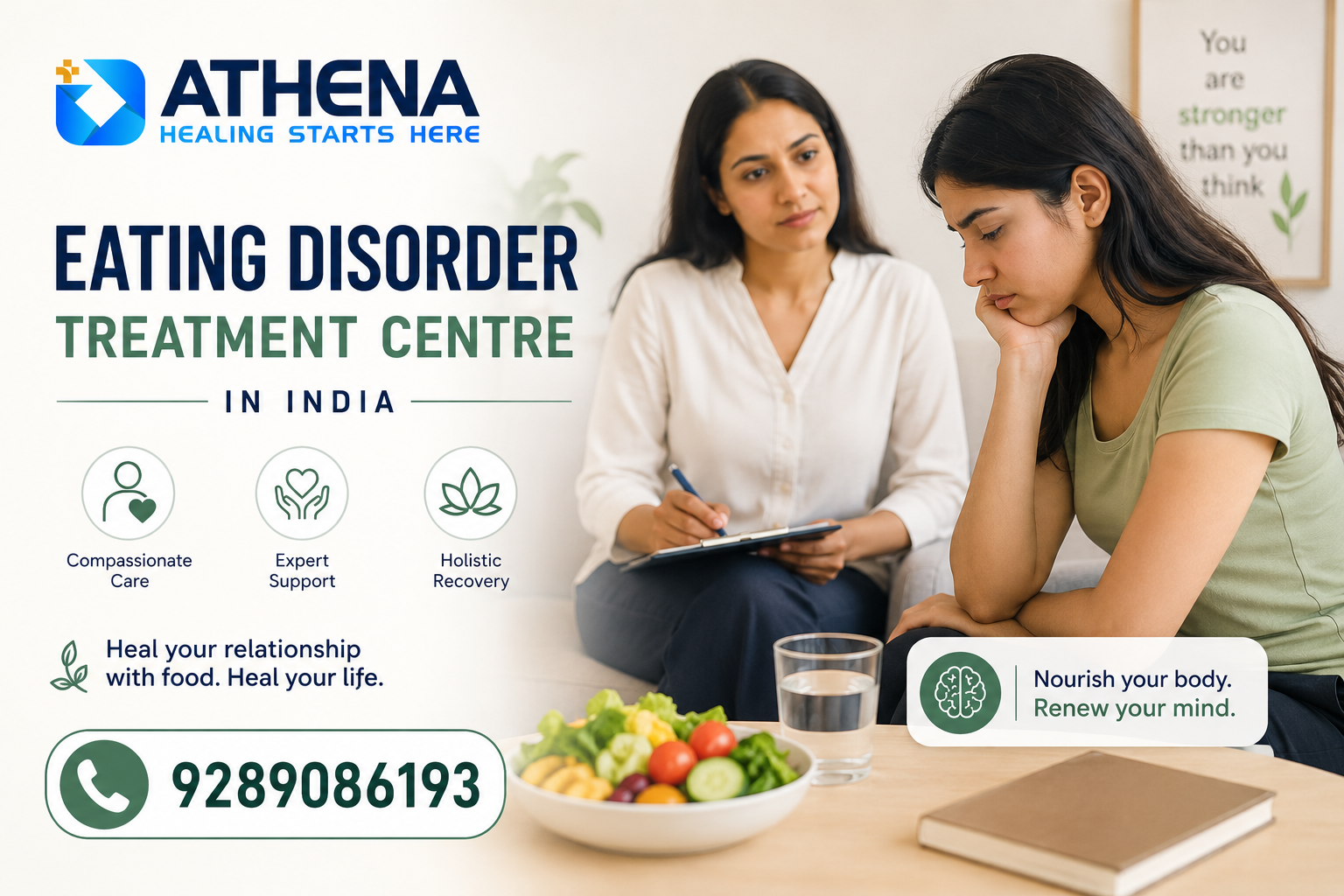
Eating disorders are complex mental health conditions that can affect a person's relationship with food, eating habits, body image, and self-esteem. They can occur in people of different ages and body types and may affect both mental and physical health. Eating disorders are not simply about food choices or a lack of willpower. They often involve emotional, behavioral, psychological, and sometimes physical health concerns that require professional attention.
An eating disorder treatment centre in India can provide a structured and supportive environment where individuals receive appropriate assessment, therapy, counseling, and recovery support. The exact treatment approach depends on the type of eating disorder, symptoms, overall health, and individual needs.
What Does Eating Disorder Treatment Involve?
Treatment usually begins with a detailed assessment. Mental health professionals may ask about eating patterns, thoughts about food and body image, emotional health, relationships, daily routines, and previous treatment experiences.
Depending on the situation, the treatment team may include mental health professionals, nutrition specialists, and medical professionals.
The main goals of treatment may include:
- Developing healthier eating patterns
- Addressing unhealthy thoughts about food and body image
- Managing emotional triggers
- Improving coping skills
- Reducing harmful eating behaviors
- Supporting physical health
- Preventing relapse
- Improving overall quality of life
A personalized treatment plan is generally more appropriate than a fixed program for every individual.
Psychological Assessment
A psychological assessment helps professionals understand the individual's symptoms and the factors contributing to them.
The assessment may explore concerns such as:
- Restrictive eating
- Binge eating
- Fear of weight gain
- Negative body image
- Emotional eating
- Anxiety or depression
- Low self-esteem
- Stress
- Social withdrawal
This assessment can help the treatment team determine the appropriate level and type of care.
Individual Therapy
Individual therapy is an important part of Treatment for Eating Disorder. It provides a private environment where individuals can discuss their thoughts, emotions, and behaviors related to food and body image.
Therapy may help individuals recognize unhealthy patterns and understand the emotional triggers behind them.
For example, someone may use food to cope with stress or may restrict food because of intense concerns about their body. Therapy can help identify these patterns and develop healthier coping strategies.
Cognitive Behavioral Therapy
Cognitive Behavioral Therapy (CBT) is commonly used in the treatment of several eating-related concerns.
CBT focuses on the relationship between thoughts, emotions, and behaviors. Individuals may learn to identify unhelpful beliefs about food, weight, appearance, or self-worth and work toward healthier ways of thinking.
Therapy may also focus on:
- Managing negative thoughts
- Recognizing emotional triggers
- Improving coping skills
- Reducing harmful behaviors
- Developing healthier routines
- Building confidence
The specific therapeutic approach should be selected according to the individual's needs and professional assessment.
Nutritional Support
Nutrition can be an important component of eating disorder recovery. Some individuals may need support in establishing regular and balanced eating patterns.
A qualified nutrition professional can help create an appropriate plan while considering the individual's health and treatment goals.
Nutritional support should be approached carefully and without unnecessary judgment. The objective is to develop a healthier relationship with food rather than promoting extreme dieting or restrictive eating.
Binge Eating Disorder Treatment
Binge Eating Disorder Treatment focuses on helping individuals understand and manage recurrent episodes of binge eating and the factors associated with them.
Treatment may involve identifying triggers such as:
- Stress
- Loneliness
- Anxiety
- Boredom
- Emotional distress
- Restrictive eating patterns
Therapy can help individuals develop healthier responses to difficult emotions and reduce the cycle of emotional distress and binge eating.
Treatment should focus on sustainable behavioral and psychological changes rather than shame or extreme food restrictions.
Family Counseling and Support
Family involvement can be especially important for children and teenagers with eating disorders. Families may sometimes struggle to understand why someone is experiencing difficulties with eating.
Family counseling can help relatives:
- Understand eating disorders
- Improve communication
- Reduce unhelpful criticism
- Provide emotional support
- Encourage healthy routines
- Recognize warning signs
Family involvement should be tailored to the individual's age, circumstances, and treatment plan.
Medical Monitoring
Some eating disorders can have physical health consequences. Depending on the severity and type of symptoms, medical monitoring may be recommended.
Healthcare professionals may monitor general health and identify potential complications that require attention.
This is one reason why choosing a comprehensive eating disorder treatment centre can be important for individuals who have significant physical or psychological symptoms.
Addressing Co-Occurring Mental Health Concerns
Eating disorders may occur alongside other mental health concerns such as anxiety, depression, stress, obsessive thoughts, or low self-esteem.
Effective treatment should consider the individual's overall mental health rather than focusing only on eating behavior.
Addressing relevant emotional concerns can help individuals develop healthier coping mechanisms and improve their overall recovery.
Is an Addiction Treatment Center Appropriate?
Eating disorders and substance addictions are different conditions and require specialized approaches. Although an addiction treatment center in India may provide mental health services, individuals and families should check whether the facility has appropriate expertise in eating disorder care.
Treatment should be selected based on the person's actual clinical needs rather than simply the presence of unhealthy or repetitive behaviors.
Choosing the Best Eating Disorder Treatment in India
The Best eating disorder treatment in India should be based on the individual's needs rather than a generic ranking.
When choosing a treatment facility, consider:
- Qualified mental health professionals
- Individualized treatment plans
- Psychological assessment
- Evidence-based therapy
- Nutritional support when appropriate
- Medical monitoring when required
- Family counseling
- Confidential and respectful care
- Follow-up and relapse-prevention support
A good treatment center should also communicate clearly about its approach and expected treatment process.
What Does Recovery Look Like?
Recovery from an eating disorder can take time. Progress may involve learning to manage difficult emotions, developing healthier eating patterns, improving body image, and reducing harmful behaviors.
Recovery is not always a straight line. Some individuals may experience challenges or setbacks. These experiences do not necessarily mean that treatment has failed. They can provide opportunities to understand triggers and strengthen coping strategies.
Continued therapy and follow-up support may be useful for maintaining progress.
Final Thoughts
An eating disorder treatment centre in India can provide comprehensive care for individuals struggling with unhealthy eating patterns, body image concerns, or binge eating. Treatment may involve psychological assessment, individual therapy, nutritional support, family counseling, and medical monitoring when necessary.
The most suitable Treatment for Eating Disorder depends on the individual's symptoms, health, emotional needs, and recovery goals. Seeking professional help early can make it easier to address concerns before they become more difficult to manage.
If you or someone you know is experiencing persistent difficulties with eating, body image, or food-related behaviors, speaking with a qualified mental health professional can be an important first step.
Get Professional Support
Athena Behavioral Health provides personalized mental and behavioral healthcare in a confidential and supportive environment. Professional assessment can help identify appropriate treatment options based on individual needs.
Call: +91 92890 86193
Take the first step toward healthier eating patterns, improved mental well-being, and long-term recovery.

 English
 Arabic
 French
 Portuguese
 Deutsch
 Turkish
 Dutch
Dutch
 Italiano
 Russian
 Romaian
 Portuguese (Brazil)
 Greek
Greek