


Hepatitis C Test: When Should You Get Tested?
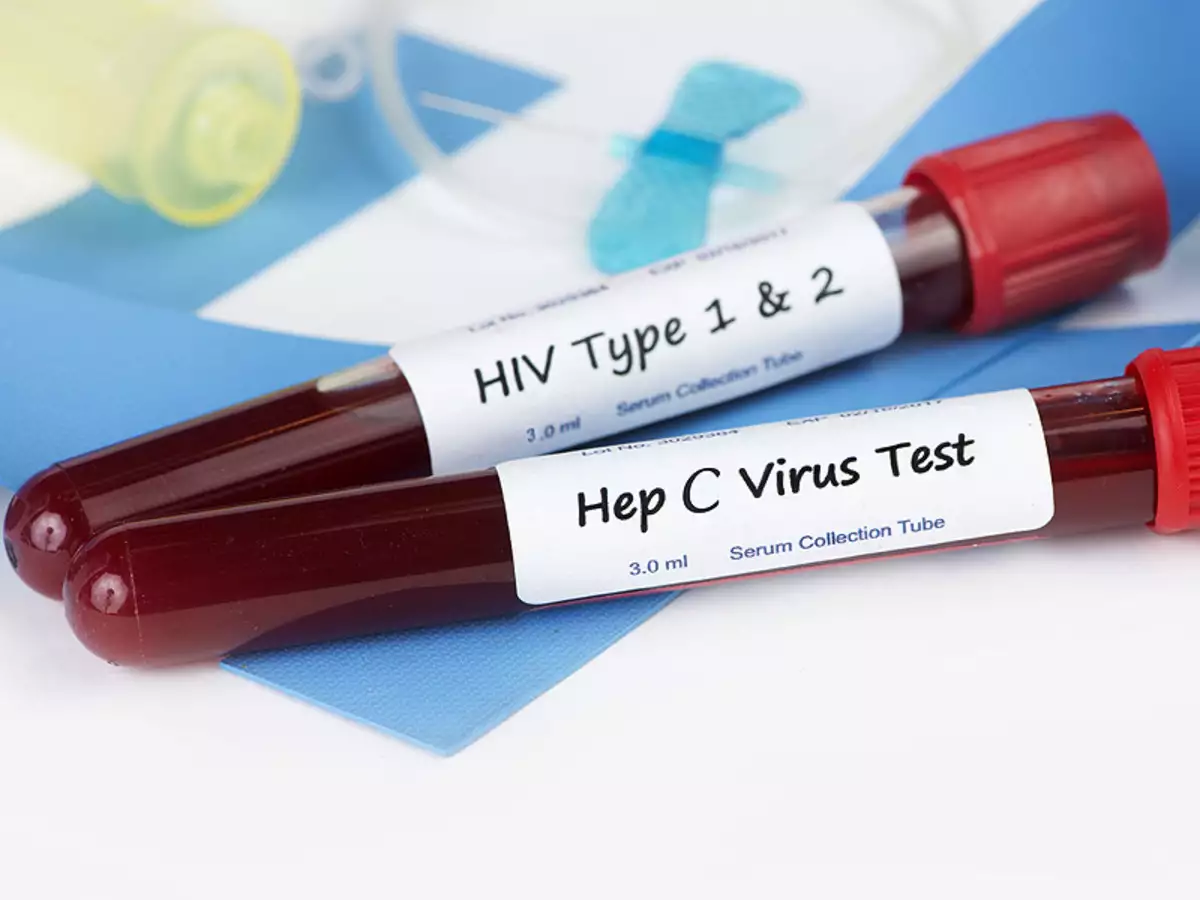
Knowing when to get tested for hepatitis C can help identify an infection that may otherwise remain unnoticed. If you are considering a Hepatitis C Test in Dubai, testing may be appropriate when there has been a possible exposure to the hepatitis C virus, when certain risk factors are present, or when recommended by a healthcare professional.
Hepatitis C primarily affects the liver and can develop without obvious symptoms. Because a person may feel healthy while an infection is present, appropriate screening can provide important information about their health.
Why Is Hepatitis C Testing Important?
Hepatitis C can become a long-term infection if it is not detected and managed. Chronic HCV infection may cause ongoing liver inflammation and, over time, increase the risk of serious liver complications.
Testing can help identify whether someone has been exposed to HCV. If an initial screening test detects antibodies, additional testing can determine whether the virus is currently present.
STD Test in Dubai and Hepatitis C Screening
An STD Test in Dubai may include screening for various sexually transmitted infections, but hepatitis C testing is a separate consideration because HCV can be transmitted through infected blood and certain other exposure routes.
Depending on your circumstances, a healthcare professional may recommend hepatitis C screening alongside other sexual health or blood-borne infection tests.
After Possible Exposure
If you believe you have been exposed to HCV through potentially infected blood or another recognized transmission route, discussing testing with a healthcare professional is recommended.
The timing of testing matters because different tests become useful at different stages following exposure. Your healthcare provider can advise whether immediate testing, follow-up testing, or an RNA test may be appropriate.
Testing When Symptoms Appear
Some people with hepatitis C may develop symptoms such as tiredness, nausea, abdominal discomfort, dark urine, or yellowing of the skin and eyes. However, these symptoms can have many different causes.
Because symptoms are not specific to hepatitis C, laboratory testing is necessary to determine whether HCV is present.
Can You Have Hepatitis C Without Symptoms?
Yes. Many people with hepatitis C do not experience noticeable symptoms, particularly during the early stages.
This is one reason screening can be important for people who have relevant risk factors or possible exposure. Feeling healthy does not necessarily mean that HCV infection is absent.
What Is the HCV Antibody Test?
The HCV antibody test is commonly used as an initial screening method. It checks for antibodies produced by the immune system after exposure to hepatitis C.
A non-reactive result generally means that HCV antibodies were not detected. However, if exposure was recent, antibodies may not yet be detectable, and further testing may be recommended.
What Is an HCV RNA Test?
An HCV RNA test looks directly for hepatitis C virus genetic material in the blood. It can determine whether HCV is currently detectable.
If an antibody test is reactive, an RNA test may be used to establish whether there is an active infection. RNA testing may also be considered in certain situations involving recent exposure.
How Does Timing Affect Hepatitis C Testing?
Testing too soon after exposure can affect the result because detectable markers may not yet be present. The appropriate timing depends on the type of test being used and the circumstances surrounding possible exposure.
A healthcare professional can recommend a testing schedule and explain whether repeat screening may be necessary.
What Do Hepatitis C Test Results Mean?
A non-reactive antibody result generally indicates that HCV antibodies were not detected. If the test was performed soon after possible exposure, additional testing may still be considered.
A reactive antibody result indicates previous exposure to HCV but does not automatically confirm an active infection. An HCV RNA test can help determine whether the virus is currently detectable.
What Happens If HCV Is Confirmed?
If HCV RNA testing confirms current infection, a healthcare professional may recommend additional evaluation to understand the condition of the liver and determine the appropriate treatment approach.
Modern hepatitis C treatments can be highly effective, so identifying an active infection can provide an opportunity to receive appropriate medical care.
When Should You Talk to a Healthcare Professional?
Consider discussing hepatitis C testing with a healthcare professional if you have experienced a possible exposure, have relevant risk factors, develop unexplained symptoms, or have received a reactive antibody result.
Professional guidance can help you choose the right test and understand whether follow-up screening is required.
Final Thoughts
There is no single situation in which everyone must get tested for hepatitis C. Testing decisions depend on possible exposure, risk factors, symptoms, and professional medical advice. If you are considering a Hepatitis C Test in Dubai, understanding when to test and how antibody and RNA testing work can help you take appropriate steps toward protecting your liver health.

 Arabic
 French
 Spanish
 Portuguese
 Deutsch
 Turkish
 Dutch
Dutch
 Italiano
 Russian
 Romaian
 Portuguese (Brazil)
 Greek
Greek