


Why Professional Tree Planting Matters for Healthy Growth
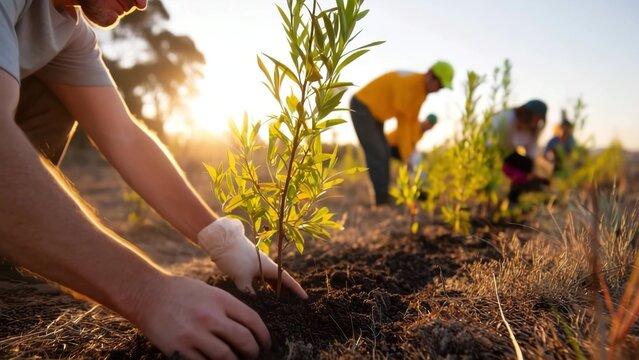
Planting a tree may look like a simple job. Dig a hole. Put the tree in it. Add soil. Give it water. Yet the early steps can have a major effect on how the tree grows for years to come.
A young tree needs the right location. It needs enough room for its roots. It needs suitable soil. It also needs to be planted at the right depth and watered properly while its root system becomes established. A mistake at any of these stages can create problems that may not become visible until much later.
This is why professional tree planting can be valuable. Experienced tree professionals understand that planting is not only about getting a tree into the ground. It is about giving the tree the conditions it needs to establish a healthy root system and develop properly above the ground.
Research based guidance from university extension programs consistently emphasizes correct planting depth. Root flare placement. Soil conditions. Watering. Mulching. Site selection. These details are closely connected to long term tree health.
The Root System Starts the Whole Process
A healthy tree depends heavily on what happens below the ground.
Roots anchor the tree and take in water and nutrients. They also need oxygen in the soil. If the soil is badly compacted or constantly saturated then roots may struggle to develop.
Newly planted trees are especially vulnerable because their roots have not yet spread into the surrounding soil. The tree may have a healthy looking canopy when it is planted but that does not mean it has established itself.
The goal during planting is to create conditions where roots can move outward into the surrounding soil.
A professional looks at the planting area before putting the tree into the ground. This can help identify problems such as
- Compacted soil
- Poor drainage
- Limited rooting space
- Heavy clay
- Excessive exposure to wind
- Competition from grass
- Nearby structures
- Overhead obstacles
- Existing underground conditions
The planting site can be just as important as the tree itself. Poor site conditions can contribute to weak growth and even tree failure.
Choosing the Right Location
A tree should not be planted simply because there is an empty area in the yard.
The location needs to work for the tree as it becomes larger.
A small young tree can look perfectly suited to a particular spot. Years later its branches and roots may occupy a much larger area. That growth needs to be considered before planting.
Professionals look at the available space and the expected mature size of the tree. They also consider sunlight. Soil moisture. Drainage. Nearby buildings. Walkways. Fences. Utility areas. Other trees.
This planning can prevent problems that are expensive to correct later.
For example a tree planted too close to a structure may eventually create conflicts with branches or roots. A tree planted where it receives unsuitable sunlight may also struggle to grow as expected.
Pro tip
Think about the tree at its mature size rather than its size on planting day. The empty space around a young tree can disappear surprisingly quickly as the tree grows.
Planting Depth Is More Important Than Many People Realize
One of the most common planting mistakes is putting a tree too deep into the soil.
The trunk normally widens where it transitions into the root system. This area is called the root flare. It should be visible and positioned correctly in relation to the surrounding soil.
When the root flare is buried too deeply the tree can develop serious problems. Deep planting can restrict healthy root development and reduce access to oxygen. It can also contribute to root problems later in the tree's life.
This is one reason professional planting involves more than measuring the hole by eye.
The installer needs to identify the actual root flare and determine the appropriate depth for the particular tree and site.
The hole should generally provide plenty of width for roots to expand without unnecessarily increasing depth. Guidance from the University of Minnesota recommends making the planting hole wider than the root system while avoiding excessive depth.
Giving Roots Enough Room to Grow
Roots need space to expand.
If a planting hole is too narrow then the roots may struggle to move into the surrounding soil. This can be especially difficult in compacted ground.
A wider planting area gives the roots a better opportunity to move outward. The sides of the hole can also be loosened to help prevent a hard compacted surface from becoming a barrier to new roots.
This does not mean making the hole extremely deep or filling it with large amounts of special soil.
In many situations the soil removed from the hole can be used again for backfilling. The important part is creating suitable conditions for root expansion while keeping the tree at the correct depth.
Soil Condition Can Change the Outcome
Two yards can look similar on the surface while having very different soil conditions underneath.
One location may drain quickly. Another may hold water for long periods. Some areas have compacted soil caused by construction or repeated traffic. Other areas may have very little usable soil for root growth.
A professional considers these conditions before planting.
This matters because roots need both water and oxygen. Too little water can cause stress. Too much water can also create problems because water filled soil spaces leave less room for oxygen.
The right planting approach therefore depends on the site rather than following one method for every property.
Handling the Root Ball Correctly
The roots are among the most important parts of a newly planted tree and they need careful handling.
Trees can arrive as container grown plants. Bare root plants. Or trees with a soil root ball.
Each type requires different handling.
Container grown trees may develop roots that circle around the inside of the container. These roots should be inspected so that problematic growth does not continue after planting.
Bare root trees need enough room for their roots to spread naturally. Roots should not be forced into a small hole by bending or twisting them.
Trees with wrapped root balls also require careful handling. The materials around the root ball need to be managed properly and anything tied around the trunk should not remain in place because the growing trunk needs room to expand.
Watering Is Critical After Planting
Planting the tree correctly is only the beginning.
Newly planted trees need regular watering while their roots become established. The exact watering schedule depends on soil type. Weather. Tree size. Rainfall. Drainage. And the local environment.
One common mistake is giving a newly planted tree a little water every day without checking whether the root zone actually needs it.
Another mistake is assuming rainfall always provides enough moisture.
The better approach is to monitor soil moisture and water deeply when needed. University extension guidance notes that newly planted trees need more frequent watering than established trees while their roots are developing.
A professional can help establish a watering routine based on the actual planting conditions.
Why Too Much Water Can Be Harmful
More water does not always mean faster growth.
If soil remains excessively wet then the spaces that normally contain oxygen can become filled with water. This can reduce oxygen available to roots and contribute to poor tree health.
This is especially important in heavy or poorly drained soil.
The goal is balanced moisture rather than constantly wet soil.
Mulch Helps Protect the Root Zone
Mulch can be useful after planting when it is applied correctly.
A suitable layer of organic mulch can help reduce moisture loss. Moderate soil temperature changes. Reduce weed competition. And protect the soil around the tree from some forms of disturbance.
But mulch should not be piled against the trunk.
A thick mound of mulch around the trunk can create moisture and decay problems. It can also encourage roots to grow in undesirable areas near the surface.
A better approach is to spread mulch around the root zone while leaving the root flare and trunk clear. University guidance commonly recommends keeping mulch away from the trunk and avoiding excessively deep layers.
Protecting the Tree From Competition
Grass and weeds around a newly planted tree can compete for water and nutrients.
This competition can slow establishment. Turf can be especially competitive because its dense root system occupies the upper soil layers where young tree roots are trying to establish.
Creating a suitable mulched area around the tree can reduce this competition and make it easier for water to reach the root zone.
It also reduces the need to mow very close to the trunk.
Lawn equipment can cause serious damage to young trees. Even a small injury to the trunk can become a long term problem.
Supporting the Tree When Necessary
Not every newly planted tree needs staking.
A tree may need temporary support if it cannot remain stable because of its size or the conditions at the site. Windy locations can also require additional support.
However unnecessary staking can restrict natural movement. The purpose of support should be to help the tree remain stable while its roots establish rather than holding it rigid indefinitely.
Professional assessment helps determine whether support is actually needed. Guidance from Penn State Extension notes that staking is generally needed only in situations where the tree cannot remain stable or where protection is required because of the surrounding environment.
Why Professional Planting Can Prevent Expensive Problems
The value of professional planting is not simply the physical act of digging a hole.
It is the planning that happens before and after the tree goes into the ground.
A professional can consider
- The tree species and expected mature size
- The available growing space
- Soil condition
- Drainage
- Sunlight
- Root flare position
- Root ball condition
- Planting depth
- Watering requirements
- Mulch placement
- Protection from lawn equipment
- The need for temporary support
These details can determine whether a tree establishes successfully or struggles from the beginning.
Fixing a poor planting decision years later can be much harder than making the right decision before planting.
Common Tree Planting Mistakes
Many early tree problems come from mistakes that appear harmless at the time.
Planting Too Deep
This can bury the root flare and interfere with healthy root conditions. Deep planting is widely recognized as an important cause of tree problems.
Making the Hole Too Small
Roots need room to move outward. A narrow hole can restrict early root development.
Watering Too Little
New roots need consistent moisture while they become established.
Watering Too Much
Constantly saturated soil can reduce oxygen around the roots and harm the tree.
Piling Mulch Against the Trunk
Mulch should protect the root zone without covering the trunk or root flare.
Ignoring the Mature Tree Size
A location that looks suitable today may become unsuitable as the tree grows.
Leaving Damaged Roots Unchecked
Root problems can interfere with establishment. Inspecting the root system before planting can help identify obvious issues.
What Professional Tree Planting Should Include
A quality planting job should involve more than placing the tree into the ground.
The work should begin with site evaluation and tree selection. The planting area should then be prepared according to the condition of the soil and the size of the root system.
The tree should be positioned at the appropriate depth with the root flare correctly located. Roots should have enough room to spread. Backfill should be placed carefully so large air pockets are avoided. The tree should then receive adequate initial watering.
The final steps should include appropriate mulch placement and an assessment of whether temporary support or protection is necessary.
This complete approach gives the tree a better start than simply digging a hole and filling it again.
Long Term Care Still Matters
Professional planting can give a tree a strong beginning but it cannot replace ongoing care.
The tree still needs to be monitored after planting.
Watch for
- Dry soil
- Wilting leaves
- Broken branches
- Trunk damage
- Poor growth
- Soil settling
- Excessive mulch
- Signs of root problems
- Changes in drainage
Watering needs also change as the tree becomes established.
The University of Minnesota notes that root establishment can take years depending on tree size. Larger trees can require a longer establishment period than smaller trees.
This means the first few weeks are important but the first few years can also matter greatly.
Final Thoughts
Healthy tree growth starts long before the first new leaves appear.
The planting location. Soil condition. Root handling. Planting depth. Watering. Mulching. And early protection all influence how well a tree establishes.
Professional Tree Planting brings these details together. Instead of treating planting as a simple digging job it treats the tree as a living plant that needs suitable conditions for its roots and canopy to develop.
A properly planted tree has a better opportunity to establish strong roots and adapt to its surroundings. Good planting also helps avoid mistakes that can become difficult and expensive to correct later.
If you want to learn more about trees and how they grow then understanding their root systems and environmental needs is a useful starting point.
The most important lesson is simple. Planting a tree correctly is an investment in its future. Give the roots enough room. Put the tree at the right depth. Manage water carefully. Protect the trunk. Choose the location wisely. These basic steps can make a major difference in the health and longevity of the tree.

 English
 Arabic
 French
 Spanish
 Portuguese
 Deutsch
 Turkish
 Italiano
 Russian
 Romaian
 Portuguese (Brazil)
 Greek
Greek