


Chemical Peel Treatment: Can It Improve Skin Tone?
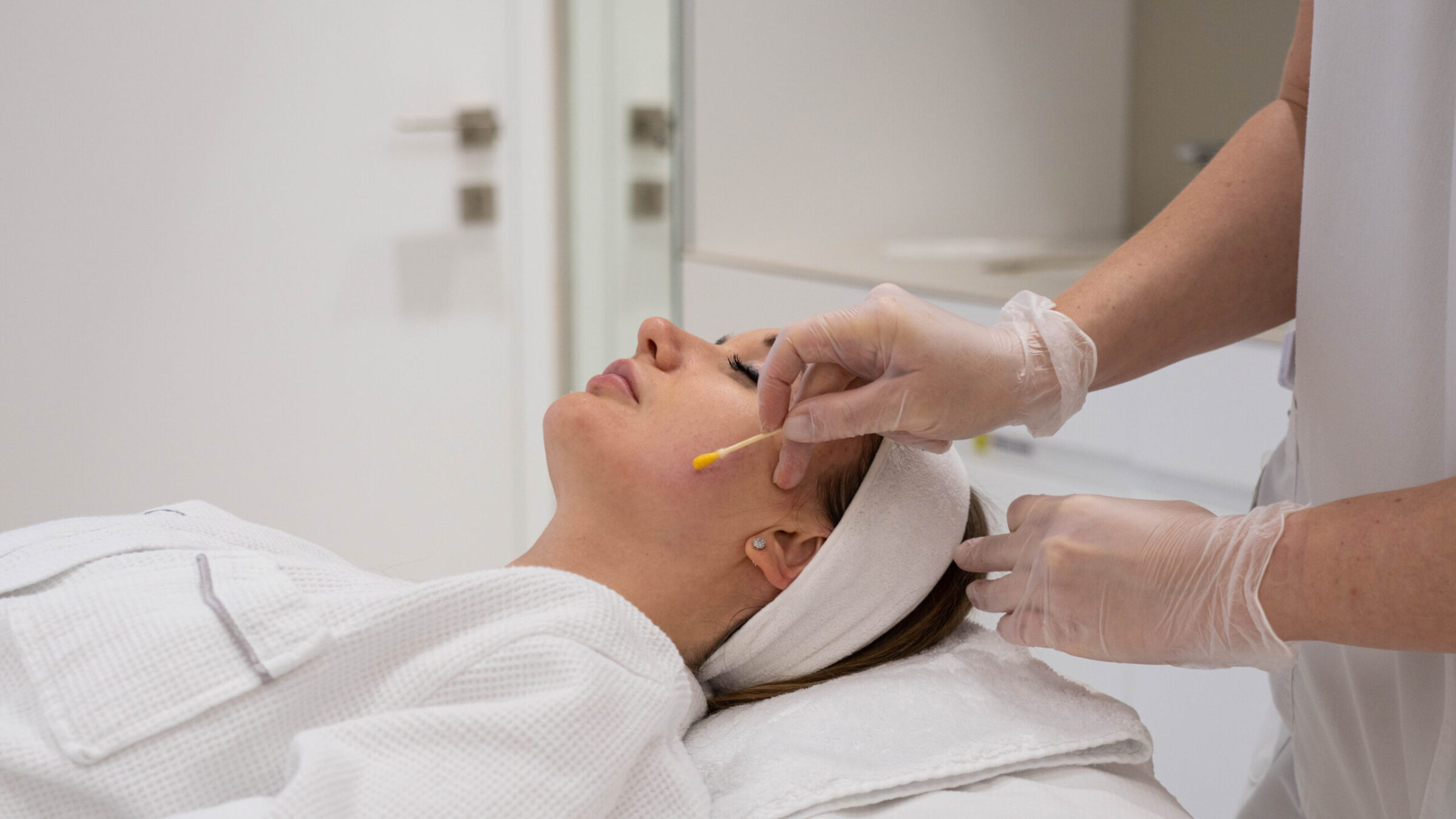
Uneven skin tone can make the complexion appear dull, tired, or patchy, especially when caused by sun exposure, acne marks, or excess pigmentation. Chemical peel treatment in Dubai is one professional option that can improve the appearance of uneven pigmentation by removing damaged outer skin cells and encouraging the growth of smoother, more evenly toned skin. Depending on the type and depth of peel, it may help address concerns such as dark spots, mild discoloration, acne-related marks, and overall dullness.
How Can a Chemical Peel Improve Skin Tone?
A chemical peel uses a carefully selected chemical solution to exfoliate specific layers of the skin. As damaged surface cells are removed, newer skin becomes visible, which can create a smoother and more uniform appearance.
Light chemical peels are commonly used for concerns such as uneven skin tone, dryness, mild discoloration, and fine lines. Medium peels reach deeper into the skin and may be considered for more noticeable pigmentation and other surface imperfections.
The effect is not simply about making the skin look brighter immediately. By removing accumulated dead skin cells and areas of excess pigment, a professionally selected peel can gradually help reduce the contrast between darker and lighter areas.
However, results depend heavily on what is causing the uneven tone. Sun damage, post-acne hyperpigmentation, melasma, and other pigmentation concerns can respond differently, so the appropriate peel should be selected after evaluating the skin.
Which Skin Tone Concerns Can Chemical Peels Address?
A chemical peel for pigmentation can be useful for several forms of uneven coloration. Dermatologists may use chemical peels as part of a broader treatment approach for conditions involving excess pigment, including melasma. The American Academy of Dermatology notes that chemical peels can help remove excess pigment in melasma, although treatment needs to be individualized.
Common concerns that may improve include:
- Dark spots caused by sun exposure
- Post-acne marks and hyperpigmentation
- Mild uneven skin tone
- Dull or rough-looking complexion
- Certain forms of superficial pigmentation
- Some age-related discoloration
Acne can also leave behind darker areas after the blemishes disappear, particularly in people with darker skin tones. Treating these marks requires care because irritation can sometimes trigger additional pigmentation.
For that reason, a peel should not be viewed as a universal solution for every pigmentation problem. The cause, depth, skin type, and sensitivity of the discoloration all influence whether treatment is appropriate.
What Types of Peels Are Used for Uneven Skin Tone?
The type of peel matters because different chemical formulations and treatment depths produce different effects. A professional may choose ingredients such as glycolic acid, salicylic acid, or other peeling agents according to the individual's skin concerns and treatment goals.
Light Chemical Peels
Light peels affect the outermost layer of the skin and are often used for mild discoloration, uneven tone, dryness, and texture concerns. They generally involve less downtime than deeper treatments, although temporary redness, dryness, or irritation can occur.
Because their effects are relatively subtle, multiple treatments may be recommended rather than expecting a dramatic change after one session.
Medium Chemical Peels
Medium peels penetrate farther than superficial treatments and can provide a more noticeable improvement in skin texture and discoloration. They may require more recovery time, and the skin can become red, swollen, or temporarily darker while it heals.
This type of treatment should be performed by an appropriately trained professional who can determine whether the depth is suitable for the individual's skin.
Deeper Peels
Deep peels affect substantially deeper layers and are associated with more significant recovery and potential risks. They are not usually the first choice simply for mild uneven skin tone, particularly when a less aggressive option may provide the desired improvement.
Can Chemical Peels Work on Darker Skin Tones?
Yes, chemical peels can be used for people with darker skin tones, but treatment requires careful planning. Skin of color can be more susceptible to post-inflammatory hyperpigmentation or hypopigmentation after procedures that irritate or injure the skin.
This is especially important when the original concern is pigmentation. An overly aggressive peel may cause inflammation that makes discoloration more noticeable rather than improving it.
A professional assessment can help determine the safest treatment depth and formulation. The provider should also consider previous reactions to skincare products, existing pigmentation conditions, sun exposure, and the overall condition of the skin.
People with melasma, in particular, may need a comprehensive plan rather than relying on a peel alone. The AAD explains that melasma treatment commonly includes sun protection and topical treatments, with procedures such as chemical peels sometimes added to the plan.
What Should You Expect After a Chemical Peel?
Skin usually needs time to recover after a peel, and the amount of downtime depends on its depth. With a light peel, redness, dryness, or mild irritation may occur, while medium and deeper treatments can involve more noticeable peeling, swelling, and redness.
During recovery, protecting the newly treated skin is essential. Sun exposure can contribute to further pigmentation and may interfere with the desired improvement.
Aftercare commonly focuses on:
- Following the provider's cleansing and moisturizing instructions.
- Avoiding picking, rubbing, or scratching peeling skin.
- Protecting the treated area from sunlight.
- Using sunscreen as directed.
- Avoiding irritating skincare products until the skin barrier has recovered.
It is also important to understand that skin tone does not necessarily become completely even immediately after treatment. A light peel may produce gradual improvement, and repeated treatments may be needed for the desired effect.
Is Chemical Peel Treatment Right for Uneven Skin Tone?
Whether a peel is suitable depends on the reason behind the discoloration and the condition of the skin. A consultation is particularly important when pigmentation is persistent, widespread, recurrent, or associated with melasma.
Before treatment, a qualified professional may assess:
- The type and depth of pigmentation
- Your natural skin tone
- Skin sensitivity and history of irritation
- Previous acne or inflammatory conditions
- Current skincare products and treatments
- Your expected outcome and tolerance for downtime
This evaluation helps reduce the risk of choosing a peel that is unnecessarily strong for the skin. Mayo Clinic also emphasizes that chemical peel results can vary according to the expertise of the person performing the procedure, while changes in skin color are among the possible complications.
For darker skin, professional experience is particularly important. The AAD recommends seeing a dermatologist before using chemical peels for acne-related concerns in darker skin because inappropriate treatment can potentially cause permanent dark or light marks.
Conclusion
So, can a chemical peel improve skin tone? Yes, when the right peel is selected for the right concern and performed appropriately. It can help reduce the appearance of superficial discoloration, acne marks, dullness, and uneven pigmentation while leaving the complexion smoother and more uniform.
However, results are not identical for everyone, and pigmentation conditions such as melasma may require a combination of professional treatments, skincare, and consistent sun protection. If uneven skin tone is your main concern, a personalized assessment can help determine whether Chemical Peel Treatment is an appropriate option and which approach may provide improvement while minimizing unnecessary irritation.

 English
 Arabic
 French
 Spanish
 Portuguese
 Deutsch
 Turkish
 Dutch
Dutch
 Italiano
 Russian
 Romaian
 Greek
Greek