


U4GM NBA 2K27 Defense, Shooting and Dribbling Guide
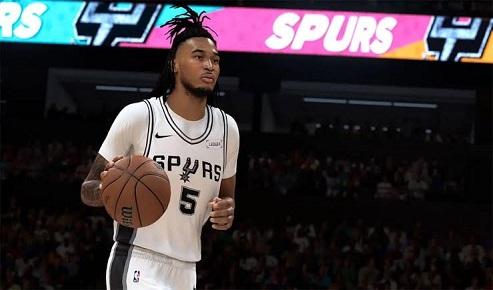
NBA 2K27 looks ready to change the way a possession feels from the first pass to the final shot. The biggest difference may not be one flashy feature, but the way several smaller systems now work together. Defence should feel more deliberate, shooting asks for cleaner timing, and finishing is less forgiving when you force a poor look. If you're planning a new MyCAREER player or rebuilding a MyTEAM lineup, it's worth keeping some 2K27 MT aside until you've played enough games to see which attributes and animations really matter. A build that looked perfect on paper in the previous game might feel awkward here. You'll notice that pretty quickly.
Defence Finally Rewards Better Positioning
Hands-up defence is getting a useful split between control and aggression. Push the right stick down and your defender stays grounded, which should help when you're trying to avoid needless fouls. Push it up and the contest becomes more active, with the player able to leave the floor in certain situations. That choice matters. You won't always want to jump, especially against a ball handler who is waiting for you to move first. Shot contests are also being tuned around location rather than simple button pressure. Being in the right spot early should have more value than arriving late with an outstretched hand. This won't make every covered shot miss, and that's a good thing. Skilled scorers should still have a chance when they create enough space or release the ball cleanly. On the other side, defenders who cut off driving lanes and read the play should feel that their work counts.
Shooting and Dunking Demand Real Input
The green-or-miss approach remains in place, but the timing windows are expected to be narrower. That'll separate players who know their release from those who simply rely on familiar muscle memory. Rookie and Semi-Pro should feel friendlier for casual players, while higher levels will expose every rushed jumper. Rhythm Shooting has a different learning curve too. You now need to manage timing and tempo together. Timing decides whether the shot is successful, while tempo can make the green window wider or smaller. It may feel clumsy for the first few sessions, so don't judge it after one quarter. Free throws can also use the system across every mode. Dunking has an even bigger adjustment. All dunks are now timing-based, and the meter can grow or shrink during the animation. An open lane should give you more room for error, but a crowded paint finish will need a much steadier hand. High dunk ratings still help, of course, though they won't rescue every bad decision.
Ball Handling, Passing, and Finishing Open New Options
Dribbling is moving towards individual choices instead of huge preset animation bundles. You can select separate escapes, hesitations, crossovers, size-ups, and jabs, then build a setup that suits the way you actually play. That's a welcome change for players who hate being locked into a package just because one move is useful. Some familiar actions are being reworked, including the Devin Booker breakdown and the Kyrie escape mentioned by the developers. Adrenaline is returning with fewer restrictions, while signature size-ups should respond more directly to stick movement. Passing gets more room for creativity as well. With no-look passing, you can turn the player's head away and use the right stick to send the ball elsewhere. Alley-oop finishes should be easier to read because the direction of the pass affects the input. Around the rim, step-through jumpers and layups give you another answer after picking up the dribble. Hop steps, euros, and spins can also lead into different finishing animations, so the first gather no longer decides everything.
What These Changes Mean for New Builds
Build planning will need a little patience. A defensive player may carry more value now because movement, body contact, and hands-up contests have clearer purpose. Shooters, meanwhile, need dependable timing instead of a wide margin for error. A dunk-focused build can still be strong, but you'll have to practise the meter rather than expecting every contact finish to fall. Machine-learning tools for layups could make finishing ratings more interesting by helping a scorer adjust arm and hand position around a defender. That doesn't mean every small guard suddenly becomes unstoppable at the rim. It should mean that a specialist has better ways to protect the ball and choose a safer finish. No-dip shooting adds another decision. A badge can reduce its speed penalty, yet the mechanic may still shrink the green window. Faster release or greater accuracy? You'll have to decide based on your role, your connection, and how much pressure you usually face.
Final Thoughts
NBA 2K27 seems less interested in letting one habit carry an entire possession. Good defence should come from feet and timing. Shooting asks for a release you can repeat. Dunks, gathers, and layups all give you more control, but they also expect better judgement. Spend time in practice before investing heavily in a build, animation setup, or progression path. Test the changes in real games, not just a quiet shootaround. Once players understand which ratings truly affect contests, dribble movement, and finishing angles, spending resources such as NBA 2K MT will be far easier to justify, especially when you already know what kind of player you want to use.

 English
 French
 Spanish
 Portuguese
 Deutsch
 Turkish
 Dutch
Dutch
 Italiano
 Russian
 Romaian
 Portuguese (Brazil)
 Greek
Greek