


Haemorrhoids Treatment in Dubai | What Patients Should Expect
Dealing with haemorrhoids can be uncomfortable, frustrating, and sometimes embarrassing. Many people delay seeking help because they are unsure whether their symptoms are serious or what treatment might involve. The good news is that haemorrhoids are common, and there are several ways to manage them depending on their type, severity, and effect on everyday life.
If you are considering Haemorrhoids treatment in Dubai, understanding the treatment journey can help you feel more prepared. Treatment does not always mean surgery. Some people may improve with dietary changes, better bowel habits, medication, or other conservative measures. Others with persistent or advanced symptoms may benefit from minimally invasive procedures or surgery.
Knowing what to expect before, during, and after treatment can make the experience more comfortable and help you make an informed decision.
What Are Haemorrhoids?
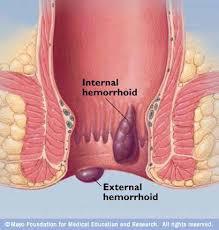
Haemorrhoids are swollen blood vessels and supporting tissues around the lower rectum and anus. They are commonly divided into two categories: internal and external haemorrhoids.
Internal haemorrhoids develop inside the rectum and may cause bleeding, particularly during bowel movements. External haemorrhoids develop under the skin surrounding the anus and may cause swelling, itching, tenderness, or pain.
The symptoms and severity can vary significantly between individuals. This is why treatment should be based on an appropriate assessment rather than simply choosing an option that worked for someone else.
Common Symptoms of Haemorrhoids
Recognising the symptoms can encourage people to seek help sooner. Common signs include:
- Bright-red bleeding during or after bowel movements
- Itching around the anus
- Burning or irritation
- Swelling
- Tenderness
- Pain while sitting
- A lump around the anus
- Discomfort during bowel movements
Not every symptom in this area is caused by haemorrhoids. Persistent or unexplained bleeding should always be evaluated because other conditions can produce similar symptoms.
Why Do Haemorrhoids Develop?
Several factors can increase pressure on the veins and tissues around the rectal area. Constipation and repeated straining are among the most common contributors.
Other factors may include:
Constipation
Hard stools can make bowel movements difficult and encourage excessive straining.
Low-Fibre Diet
A diet lacking fibre can contribute to constipation and irregular bowel movements.
Pregnancy
Changes in the body and increased pressure in the pelvic region can make haemorrhoids more likely during pregnancy.
Prolonged Sitting
Spending long periods sitting, particularly on the toilet, may increase pressure around the anal region.
Heavy Lifting
Repeated heavy lifting can increase abdominal pressure and may contribute to haemorrhoid symptoms.
Ageing
The tissues supporting the veins around the rectum can become weaker with age, increasing the likelihood of haemorrhoids.
What Happens During a Consultation?
The treatment journey generally begins with an assessment of your symptoms and medical history. You may be asked when the symptoms began, how frequently they occur, whether bleeding is present, and whether previous treatments have helped.
A physical examination may be performed to understand the condition more clearly. In some situations, additional examination or testing may be recommended to rule out other possible causes of symptoms.
Being honest about your symptoms can make the assessment more useful. There is no need to feel embarrassed, as haemorrhoid-related concerns are common medical issues.
Understanding Your Treatment Options
One of the most important things to know is that there is no single treatment that works for everyone.
Lifestyle Management
Mild symptoms may improve with changes such as increasing fibre intake, drinking enough water, exercising regularly, and avoiding straining.
Improving bowel habits can also help reduce pressure around the rectal area.
Medication
Certain creams, ointments, suppositories, or other medications may help control symptoms such as itching, irritation, and discomfort.
These treatments may provide temporary relief but should not be relied upon indefinitely without professional guidance.
Minimally Invasive Procedures
When symptoms continue despite conservative management, certain minimally invasive procedures may be considered.
Rubber band ligation is one example used for selected internal haemorrhoids. Other procedures may also be appropriate depending on the patient's condition.
Surgical Treatment
Surgery may be considered for larger, advanced, recurrent, or particularly troublesome haemorrhoids.
The purpose of surgery is generally to address problematic haemorrhoidal tissue when less invasive approaches are not suitable or have not provided adequate relief.
How Is the Treatment Chosen?
Treatment selection depends on several factors, including:
- Type of haemorrhoids
- Severity of symptoms
- Frequency of bleeding
- Level of discomfort
- Previous treatment
- Overall health
- Lifestyle and recovery requirements
A treatment that is appropriate for a mild case may not be suitable for advanced haemorrhoids. Similarly, surgery may be unnecessary when symptoms can be controlled through conservative measures.
Preparing for Haemorrhoids Treatment
Preparation depends on the selected treatment. Before a procedure, patients should provide information about current medications, allergies, medical conditions, previous procedures, and any relevant medical history.
It can also be helpful to keep a record of symptoms. For example, note how often bleeding occurs, whether constipation is present, and whether certain activities make the symptoms worse.
If a procedure is planned, follow all preparation instructions carefully.
What Can Recovery Be Like?
Recovery varies according to the treatment.
Patients receiving conservative treatment may continue their normal activities while making dietary and lifestyle changes. Those undergoing minimally invasive procedures may need a shorter period of adjustment, while surgical treatment can involve a longer recovery period.
Following aftercare instructions is essential. Patients may be advised to maintain adequate hydration, consume appropriate amounts of fibre, avoid excessive straining, and temporarily modify certain activities.
Importance of Bowel Habits After Treatment
Healthy bowel habits can play an important role in long-term comfort. Even after successful treatment, continued constipation or straining can contribute to future haemorrhoid problems.
Consider including fibre-rich foods such as vegetables, fruits, legumes, and whole grains in your diet. Drinking sufficient fluids and maintaining regular physical activity may also support healthy digestion.
Avoid spending unnecessary time on the toilet, and try not to delay bowel movements when you feel the urge.
When Should You Seek Professional Help?
It is a good idea to seek professional assessment when symptoms persist or interfere with your daily activities.
You should also seek prompt medical attention for symptoms such as significant bleeding, severe or rapidly increasing pain, dizziness, fainting, fever, or other unusual changes.
Although haemorrhoids are common, rectal bleeding should not automatically be attributed to them without appropriate assessment.
Frequently Asked Questions
Is haemorrhoids treatment always surgical?
No. Many cases can be managed through lifestyle changes, medication, or minimally invasive procedures. Surgery is generally considered for selected cases.
Can haemorrhoids improve naturally?
Mild symptoms may improve with better bowel habits, increased fibre, adequate hydration, and reduced straining.
How long does recovery take?
Recovery depends on the treatment method and individual circumstances. Conservative care may require little disruption, while surgical treatment generally involves a longer recovery period.
Can haemorrhoids come back after treatment?
Yes. Recurrence is possible, especially when constipation, straining, or other contributing factors continue.
Is bleeding from haemorrhoids normal?
Bleeding can occur with haemorrhoids, but persistent, heavy, or unexplained bleeding should be professionally assessed.
Conclusion
Knowing what to expect can make the process of seeking haemorrhoid care much less stressful. Haemorrhoids Treatment in Dubai includes a variety of options, from conservative lifestyle management and medication to minimally invasive procedures and surgery for selected cases. The most suitable approach depends on the individual's symptoms, condition, and treatment goals.
Taking action early can help prevent persistent discomfort from interfering with work, exercise, travel, and everyday activities. A proper assessment can also ensure that symptoms are not caused by another underlying condition. Tajmeels Clinic can be considered when researching professional haemorrhoids treatment and looking for appropriate guidance based on individual needs.

 English
 Arabic
 French
 Spanish
 Deutsch
 Turkish
 Dutch
Dutch
 Italiano
 Russian
 Romaian
 Portuguese (Brazil)
 Greek
Greek