


How Snoring Treatment in Dubai Can Help You Sleep More Comfortably
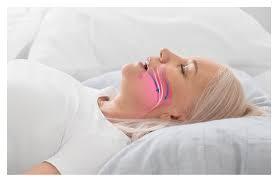
A peaceful night's sleep can make a major difference to your energy, mood, and daily performance. However, frequent snoring can interrupt that peace for both the person who snores and anyone sharing the bedroom. While occasional snoring is common, regular or loud snoring may sometimes be connected to restricted airflow during sleep.
The good news is that snoring does not always have to be accepted as a permanent problem. Snoring Treatment in Dubai offers different approaches based on the cause, severity, and individual circumstances. Some people may benefit from simple lifestyle adjustments, while others may need professional assessment or targeted treatment.
Understanding why snoring happens is an important part of finding an appropriate solution. With the right approach, individuals can work toward more comfortable breathing, improved sleep habits, and quieter nights.
What Happens When You Snore?
Snoring occurs when airflow through the upper airway becomes partially restricted while sleeping. As the throat muscles relax, soft tissues can move closer together. Air passing through the narrowed space causes these tissues to vibrate, producing the sound associated with snoring.
The intensity of snoring can vary considerably. Some people experience occasional, relatively mild sounds, while others may snore loudly throughout most of the night.
The cause also matters. Nasal congestion, sleeping position, alcohol consumption, excess weight, relaxed throat tissues, and anatomical features can all contribute.
Why Should Persistent Snoring Be Taken Seriously?
Snoring is often treated as nothing more than an inconvenience. However, persistent symptoms can sometimes indicate that normal breathing is being affected during sleep.
Particular attention may be appropriate when snoring occurs together with:
- Gasping during sleep
- Noticeable pauses in breathing
- Frequent nighttime awakenings
- Morning headaches
- Dry mouth after waking
- Excessive daytime sleepiness
- Difficulty concentrating
- Feeling tired despite getting enough time in bed
These symptoms do not necessarily mean that a person has a serious sleep disorder, but they can justify professional assessment.
Common Reasons People Snore
Sleeping on the Back
Back sleeping may encourage the tongue and surrounding soft tissues to move backward, reducing the available airway space.
Changing sleeping position can sometimes reduce snoring, particularly when position is one of the main contributing factors.
Nasal Blockage
Difficulty breathing through the nose can encourage mouth breathing during sleep. Allergies, temporary congestion, sinus concerns, or structural nasal issues may contribute to restricted airflow.
Relaxation of the Throat
The muscles supporting the upper airway naturally relax during sleep. In some individuals, this relaxation can narrow the airway enough to produce vibration and snoring.
Lifestyle Factors
Alcohol and smoking may contribute to airway irritation or muscle relaxation. Poor sleep habits and insufficient rest can also influence snoring in some individuals.
Weight-Related Airway Narrowing
Additional tissue around the neck can sometimes contribute to airway narrowing. Maintaining a healthy weight may therefore be useful for people whose snoring is partly associated with weight.
How Snoring Treatment in Dubai Can Help
The goal of Snoring Treatment in Dubai is not simply to silence the sound of snoring. A suitable approach should focus on the factors contributing to the problem.
Depending on the circumstances, treatment may involve lifestyle recommendations, addressing nasal obstruction, oral appliances, sleep-related breathing support, or selected medical procedures.
The appropriate option varies from person to person. A treatment that works well for someone with mild positional snoring may not be suitable for someone with significant airway obstruction.
Lifestyle Changes Worth Considering
Before considering more advanced options, some individuals may benefit from practical changes to their daily and nighttime routines.
Improve Your Sleeping Position
Side sleeping may help keep the airway more open. Some people use supportive pillows or positional techniques to make this position easier to maintain throughout the night.
Maintain Consistent Sleep
Going to bed and waking up around the same time each day can support healthier sleep patterns.
Adequate sleep is also important because severe tiredness may contribute to deeper relaxation of the muscles around the airway.
Limit Alcohol Near Bedtime
Alcohol can increase muscle relaxation and may worsen snoring. Reducing alcohol intake, particularly before sleeping, may help some individuals.
Address Nasal Congestion
If nasal blockage contributes to snoring, identifying and addressing the cause may improve nighttime breathing.
Follow a Healthy Lifestyle
Regular physical activity, balanced nutrition, and healthy weight management can support overall well-being and may reduce some risk factors associated with snoring.
Oral Appliances for Snoring
Some individuals may be candidates for oral appliances. These devices are designed to alter the position of the jaw or tongue during sleep, helping maintain a more favorable airway position.
They can be useful in selected cases, but they should not be chosen solely based on online recommendations.
A professional assessment can help determine whether an oral appliance is appropriate and what type may be suitable.
Breathing Support for Sleep-Related Disorders
When snoring is associated with obstructive sleep apnea, positive airway pressure therapy may be recommended.
This approach uses controlled airflow to help prevent the airway from collapsing during sleep. It is generally considered a treatment for sleep-disordered breathing rather than simple occasional snoring.
Because sleep apnea can affect breathing repeatedly throughout the night, proper diagnosis and professional management are important.
Can Procedures Help With Snoring?
In some cases, anatomical features may contribute significantly to airway narrowing. When conservative measures are not sufficient, selected procedures may be considered.
The type of procedure depends on the area involved and the individual's anatomy. Professional assessment is important before deciding whether an intervention is appropriate.
Not every person who snores requires a procedure. Many individuals can manage symptoms through lifestyle measures or other non-surgical approaches.
Benefits of Addressing Persistent Snoring
Taking steps to manage chronic snoring may provide several potential benefits.
More Comfortable Sleep
Reducing nighttime airway vibration can contribute to a quieter and more comfortable sleeping environment.
Better Bedroom Environment
Loud snoring can affect partners and family members. Managing the problem may help reduce nighttime disturbances for everyone.
Greater Daytime Energy
If snoring is disrupting sleep quality, addressing the problem may help some people feel more refreshed during the day.
Increased Awareness of Sleep Health
A professional evaluation can help identify whether snoring is simply an isolated issue or part of a broader sleep-related breathing problem.
Personalized Treatment
Professional care allows treatment to be selected according to the individual's symptoms instead of relying on a one-size-fits-all solution.
What to Expect During a Consultation
A consultation for snoring generally begins with a discussion about symptoms and sleeping patterns.
You may be asked:
- How long you have been snoring
- Whether the snoring occurs every night
- Whether someone has noticed breathing pauses
- Whether you wake up gasping
- How rested you feel in the morning
- Whether you experience daytime sleepiness
- Whether you have nasal congestion
- What sleeping position you usually use
- Whether certain lifestyle factors appear to worsen symptoms
Depending on the findings, further evaluation may be recommended.
The purpose is to understand the likely cause before selecting a treatment.
Snoring Treatment and Long-Term Sleep Habits
Treatment can be more effective when combined with healthy sleep habits.
Keeping the bedroom comfortable, following a regular sleep schedule, avoiding excessive alcohol before bedtime, and maintaining a suitable sleeping position can all contribute to healthier nighttime routines.
People should also pay attention to changes in symptoms. If snoring suddenly becomes much louder or is accompanied by gasping, choking, or breathing pauses, professional assessment should not be delayed.
Is Every Snoring Problem the Same?
No. Snoring is a symptom rather than a single condition.
One person may snore because of nasal congestion, while another may experience airway narrowing related to anatomy or sleep position. Someone else may have symptoms associated with obstructive sleep apnea.
This is why choosing treatment based solely on the sound or severity of snoring may not provide the best solution.
Understanding the cause is the foundation of effective management.
Why Professional Guidance Matters
Online advice can provide useful general information, but it cannot determine why a particular person snores.
A professional assessment can help distinguish between occasional snoring and symptoms that may require further investigation. It can also help prevent people from spending time on unsuitable remedies.
For individuals considering Snoring Treatment in Dubai, personalized guidance can make the treatment process more focused and informed.
How Tajmeels Clinic Can Support Your Snoring Treatment Journey
When persistent snoring starts affecting sleep quality, professional guidance can help you understand the available options. Tajmeels Clinic provides a setting where individuals can discuss their concerns and explore suitable approaches according to their needs.
The emphasis should be on identifying contributing factors and selecting an appropriate strategy rather than simply trying to cover up the sound of snoring.
Frequently Asked Questions
Can snoring be completely stopped?
The outcome depends on its underlying cause. Some people experience significant improvement after addressing contributing factors, while others may need ongoing management.
Is snoring always caused by being overweight?
No. Snoring can occur in people of different body types. Nasal congestion, sleeping position, airway anatomy, lifestyle factors, and other causes can contribute.
Can side sleeping reduce snoring?
It may help some individuals, particularly when snoring is worse while sleeping on the back.
When should I seek professional help for snoring?
Consider seeking evaluation when snoring is persistent, very loud, or accompanied by breathing pauses, gasping, choking, excessive daytime sleepiness, or frequent nighttime awakenings.
Are snoring treatments suitable for everyone?
No. Treatment should be selected according to the individual's symptoms, underlying cause, and overall health considerations.
Conclusion
Snoring can affect much more than the quietness of a bedroom. Persistent symptoms may interfere with sleep comfort and, in some cases, indicate an underlying breathing concern. Understanding the cause is therefore an important first step toward choosing an appropriate solution.
Snoring Treatment in Dubai includes a variety of approaches, from lifestyle improvements and positional changes to oral appliances, breathing support, and selected procedures. The right choice depends on individual circumstances and should be guided by appropriate professional evaluation.
Tajmeels Clinic can support individuals who want to understand their snoring concerns and explore suitable treatment possibilities. With a personalized approach and attention to underlying causes, taking action can be an important step toward more comfortable nights and healthier sleep habits.

 English
 Arabic
 French
 Spanish
 Portuguese
 Deutsch
 Turkish
 Dutch
Dutch
 Italiano
 Russian
 Romaian
 Portuguese (Brazil)