


Would a Neapolitan Margherita Pizza Suit Arab Taste Buds?
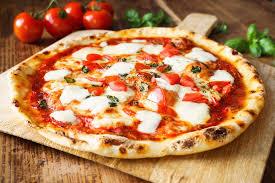
Neapolitan Margherita pizza is a fairly stripped-back affair. Tomato, mozzarella, basil, olive oil and a soft, airy crust do most of the work. There isn't a mountain of cheese or a long list of toppings hiding the dough and sauce.
That raises an interesting question for the Middle East: would Arab diners actually enjoy it?
The answer is yes, although probably not in exactly the same way they enjoy every other kind of pizza.
Neapolitan pizza has found an audience across the region, particularly among people who enjoy Italian food and the growing artisan dining scene in cities such as Doha, Riyadh and Dubai. At the same time, plenty of diners still prefer their pizza cheesier, heavier and loaded with chicken, meat or other toppings.
Those preferences aren't really in conflict. Someone can appreciate a beautifully made Margherita one evening and order a stuffed-crust, extra-cheese pizza the next.
What Exactly Is a Neapolitan Margherita?
It helps to separate a proper Neapolitan Margherita from the generic "cheese and tomato pizza" sold by many restaurants.
The traditional version is deliberately simple. The Associazione Verace Pizza Napoletana's guidelines allow peeled tomatoes, extra-virgin olive oil, buffalo mozzarella or fior di latte, fresh basil and, optionally, grated hard cheese.
The dough is just as important. A Neapolitan pizza has a thin, soft centre and a raised edge that becomes light and airy in a very hot oven. The quick baking creates the characteristic browned and blistered patches around the crust.
So this isn't simply a pizza with fewer toppings.
The whole point is that the dough, tomato, cheese and basil should be noticeable.
That can be quite different from the pizza many customers in the Middle East grew up eating.
Do Arab Diners Actually Like It?
There is good reason to think they do.
Saudi Arabia is a useful example. Arab News has reported strong demand for Italian pizza in the Kingdom, with Neapolitan pizza gaining particular attention. But the same report highlighted a difference between the traditional Italian approach and local expectations: the pizzaiolo interviewed noted that Italian pizza uses less cheese, while Saudi customers tend to enjoy pizzas with plenty of it.
That distinction says a lot about the region's pizza habits.
It isn't necessarily a question of authentic versus inauthentic. A diner can enjoy the light texture and fresh ingredients of Neapolitan pizza while still preferring a much cheesier pizza when ordering a casual takeaway.
The occasion makes a difference too.
An artisan Margherita can be something you sit down and appreciate. A loaded pizza can be what you order when you're watching a film with friends and want something more substantial.
Why Margherita Can Work With Middle Eastern Palates
There is actually nothing particularly unfamiliar about the main ingredients.
Tomatoes, cheese, bread, olive oil and fresh herbs are all familiar flavours throughout the Middle East. Bread and dairy are central to many regional dishes, while olive oil and herbs are everyday ingredients in many cuisines.
Neapolitan pizza simply brings those ingredients together differently.
The crust is soft rather than crisp and rigid. The mozzarella is allowed to remain a distinct ingredient rather than becoming one thick blanket of cheese. The tomato provides acidity, while basil and olive oil add freshness.
For someone used to heavily topped pizzas, the first bite can feel surprisingly light.
That can be a positive.
You finish the meal without feeling that you've eaten an enormous amount of cheese and toppings, while still getting the satisfaction of freshly baked bread, tomato and melted cheese.
The Cheese Question
Cheese is probably where the biggest adjustment can happen.
A classic Neapolitan Margherita may look almost sparse compared with the pizzas commonly served by large international chains. You might see tomato between pieces of mozzarella rather than a completely even layer of melted cheese.
For a diner expecting a rich cheese pizza, that can initially seem unusual.
The reaction might be as simple as: "Is that all the cheese?"
But the restraint is intentional.
The idea isn't to see how much cheese can fit onto the pizza. It is to balance the cheese with the tomato and dough.
That doesn't mean Middle Eastern diners can't appreciate it. It simply means that someone accustomed to heavily cheesed pizza may need to approach Neapolitan pizza as a different style rather than judging it against the same standard.
Is Neapolitan Pizza Just Fancy Food?
The artisan pizza experience can certainly come with a higher price tag.
A specialist pizzeria may use imported ingredients, carefully fermented dough and high-temperature ovens, and the pizza may be prepared by someone who has spent years learning the technique.
But that doesn't make Neapolitan pizza merely "fancy food."
The difference is something you can actually taste and feel.
The dough may have a more developed flavour and a softer, lighter texture. The crust can be airy rather than dense. Fresh mozzarella behaves differently from a standard shredded cheese blend, while a good tomato sauce can bring acidity and sweetness without needing lots of seasoning.
There is also a difference in how the meal is approached.
At an artisan pizzeria, the pizza is usually the main event. You're paying attention to the crust, the ingredients and how everything works together.
A chain pizza serves a different purpose. It is convenient, familiar and easy to customise.
Neither needs to replace the other.
Artisan Pizza Is Growing Across the Middle East
The growth of artisan pizza in the region is difficult to miss.
Dubai, Riyadh and Jeddah have all developed strong Italian and independent pizza scenes, while Doha has seen its own collection of Italian restaurants and specialist pizzerias emerge.
The interesting part is that many of these restaurants aren't simply reproducing a pizzeria in Naples.
They are taking the technique and adapting it to their market.
Mio Pizzeria in Doha, for example, describes its style as contemporary Neapolitan pizza. Its approach uses a high-hydration dough designed to produce a light and airy result.
That wording matters.
"Contemporary Neapolitan" leaves room for interpretation. It takes inspiration from the traditional style without suggesting that every ingredient or topping has to remain exactly as it would in Naples.
What Does a Middle Eastern Margherita Look Like?
There isn't one recipe that can be called the "Arab Margherita."
Local adaptations tend to happen in small ways.
A restaurant might use more cheese, introduce stronger seasoning or change the sauce. Another might keep the Neapolitan-style crust but add chicken, spicy meat or other ingredients familiar to local customers.
Sometimes the influence is even more obvious.
Take zaatar. It is strongly associated with Middle Eastern flatbreads such as manakish, and its earthy, herbal flavour works naturally with bread, olive oil and cheese. A zaatar Margherita combines that familiar flavour with the tomato-and-mozzarella base of pizza.
Strictly speaking, it is no longer a traditional Margherita.
But as a local interpretation, it makes complete sense.
That's how food cultures evolve. An imported dish provides the starting point, and local cooks gradually introduce ingredients people already enjoy.
Shawarma and Sujuk Change the Picture
Meat toppings offer another obvious route for regional adaptation.
Chicken shawarma has all the qualities that can work on pizza: grilled chicken, garlic, spices and a savoury flavour that pairs easily with cheese.
Sujuk does something similar. Its spicy, seasoned sausage character makes a much bolder pizza than a traditional Margherita.
Pizza Hut's menus across the Middle East have demonstrated this kind of regional adaptation, with offerings such as Chicken Shawarma in the UAE and Sujuk in Turkey.
Once those toppings are added, you're obviously no longer talking about a classic Margherita.
But that's not really the point.
They show how easily the pizza format can absorb flavours that already have a following in the region.
Pizza Hut and the Regional Approach
Large pizza chains have had a major role in shaping what pizza means to Middle Eastern diners.
The region has become accustomed to thicker crusts, generous cheese, stuffed crusts, large sharing meals and extensive topping choices.
Pizza Hut's regional menus have also been adapted to local tastes over the years, rather than simply reproducing one international menu everywhere.
That has helped create an interesting situation.
A diner in the Middle East can have very traditional expectations of Italian food and, at the same time, genuinely enjoy the richer style of pizza that international chains have made popular.
There isn't necessarily a contradiction.
People simply want different things at different times.
American-Style Margherita Is a Different Experience
This is where the difference becomes particularly noticeable.
An American-style Margherita can be thicker, cheesier and more substantial than its Neapolitan counterpart. The crust itself may be more prominent, and the cheese coverage can be much heavier.
For someone who wants a filling meal, that version may be more satisfying.
It also fits naturally with the way large pizza chains operate. Customers can choose their crust, add extra cheese, change toppings and build a pizza around personal preferences.
A Neapolitan pizzeria generally asks you to appreciate the pizza as it has been designed.
A chain encourages you to customise it.
Both approaches have their audience in the Middle East.
So What Kind of Margherita Do Arab Diners Prefer?
There isn't enough evidence to reduce Arab diners to one preference. The Arab world covers a huge number of countries, food traditions and individual tastes.
Still, the examples we do have suggest a few broad tendencies.
Some diners are clearly interested in artisan pizza, particularly when the experience includes good dough, fresh ingredients and Italian preparation techniques.
Others prefer more cheese and stronger flavours.
And there is a large audience for the familiar chain-style pizza that combines convenience with plenty of toppings and customisation.
The interesting part is that these groups overlap.
Someone might order an authentic Margherita at an Italian restaurant and still prefer a loaded chicken pizza when ordering takeaway.
Is the Local Version More Popular?
For mainstream dining, heavily topped and localised pizzas are likely to have broader appeal than an extremely restrained Margherita.
The Saudi example is useful here. Neapolitan pizza has attracted attention, but the observation about local customers preferring more cheese shows that authenticity doesn't automatically determine popularity.
A traditional Margherita appeals to someone looking for craftsmanship and simplicity.
A localised pizza appeals to someone who wants familiar flavours.
A chain version appeals to someone who wants convenience, consistency and indulgence.
There is room for all three.
Would Neapolitan Margherita Work in Doha?
Yes, and Doha's restaurant scene suggests there is already an audience for it.
Italian restaurants and specialist pizzerias have given diners opportunities to try thinner, lighter and more ingredient-focused pizzas. Mio Pizzeria's contemporary Neapolitan positioning is one example of the style being adapted for the Doha market.
The bigger challenge may actually be expectation.
If a diner expects a "cheese pizza" and receives a restrained Neapolitan Margherita, the pizza might initially look under-topped.
Explain the style, however, and the experience changes.
The airy crust, fresh mozzarella, tomato, basil and high-temperature baking aren't omissions. They are what the diner is supposed to notice.
That context can make a big difference when introducing artisan food to people accustomed to a very different style of pizza.
The Middle Eastern Pizza Market Doesn't Need One Winner
Perhaps the biggest mistake is asking whether Arab diners prefer authentic Italian pizza or localised pizza as though only one can succeed.
There is no reason they can't enjoy both.
A family might choose Margherita at an Italian restaurant, order chicken shawarma pizza for a casual dinner and go for a loaded, extra-cheesy pizza during a movie night.
Pizza has travelled so successfully through the Middle East partly because it is flexible enough to accommodate all of these preferences.
From Naples to Doha, Riyadh and Dubai, the story isn't really about replacing Italian pizza with an Arab version.
It's about taking a simple format and making it work for another place.
So, would Arab diners enjoy a proper Neapolitan Margherita?
Absolutely.
Would everyone choose it over a cheesier, heavier pizza?
Of course not.
And that is probably the most realistic picture of the region's pizza culture. There is an appetite for traditional Italian technique, but there is also a strong appreciation for generous cheese, bold seasoning, familiar meats and local ingredients.
The classic Margherita isn't simply "fancy food," while a regional variation isn't necessarily an inferior version. They're different expressions of the same basic idea.
For one diner, the perfect pizza might be tomato, mozzarella and basil on a blistered crust. For another, it might need extra cheese, shawarma, sujuk or zaatar.
The Middle Eastern pizza market doesn't have to choose between the two.

 English
 Arabic
 French
 Spanish
 Portuguese
 Deutsch
 Dutch
Dutch
 Italiano
 Russian
 Romaian
 Portuguese (Brazil)
 Greek
Greek